





What's Happening?
David Brunt has compiled extensive production diaries for the early eras of the British science fiction series 'Doctor Who', specifically focusing on 'The Hartnell Years' and 'The Troughton Years'. These books, published by Telos in 2024 and 2026 respectively,
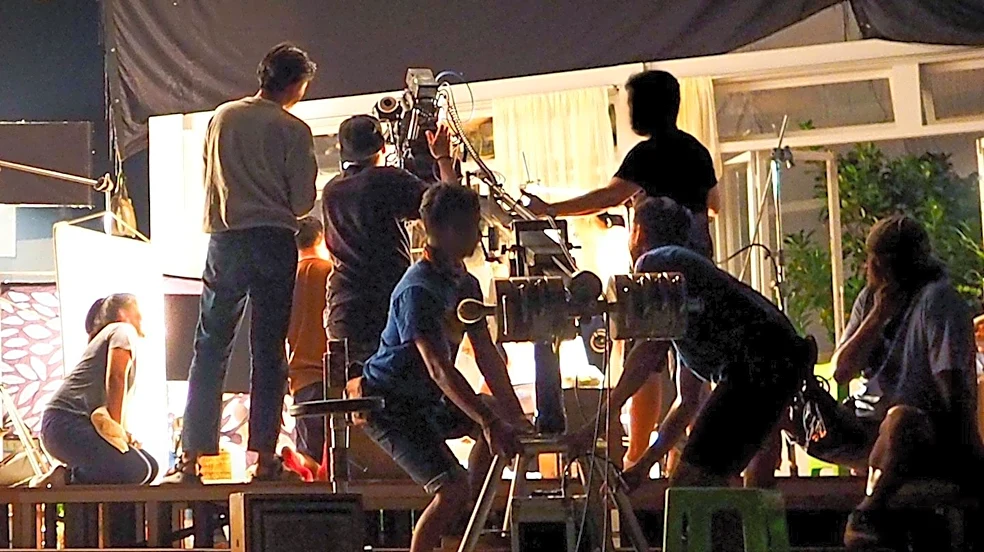
provide a detailed, day-by-day account of the show's production from 1962 to 1969. Brunt meticulously transcribed and summarized information from BBC Archive Centres, offering raw documentation of what occurred in the production office, rehearsal rooms, and studios. Unlike other accounts, these diaries largely avoid later revelations from interviews, instead presenting contemporaneous records. The content includes details on script drafts, episode summaries, phone call logs, and internal correspondence, such as producer Innes Lloyd's dismay over a prop and the subsequent parting with prop maker Shawcraft. The diaries also shed light on the immense workload of the production team, often managing three stories simultaneously, and the challenges faced by actors like William Hartnell and Patrick Troughton due to declining health and fatigue.
Why It's Important?
These production diaries offer an unprecedented look into the foundational years of 'Doctor Who', a globally recognized and long-running television series. For fans and television historians, the detailed accounts provide critical insights into the creative and logistical processes behind a pioneering science fiction program. Understanding the challenges faced by the production team, such as managing multiple storylines, dealing with actor health issues, and budgetary constraints, highlights the resilience and dedication required to produce television in that era. The documentation of script evolution and internal communications reveals the collaborative yet often strained dynamics within the production. This historical context is crucial for appreciating the show's development and its enduring legacy, influencing subsequent generations of television production and storytelling. The insights into the working conditions and creative decisions of the 1960s provide valuable lessons for contemporary media production and archival practices.
What's Next?
Following the release of 'The Hartnell Years' and 'The Troughton Years', a third volume, 'The Pertwee Years vol. 1', is in preparation. This indicates a continuing effort to document the comprehensive history of 'Doctor Who' through its production archives. The ongoing publication of these detailed diaries suggests a sustained interest in the show's historical context and production methodologies. Future volumes will likely continue to offer similar in-depth analyses of subsequent eras, providing a continuous narrative of the program's evolution. The availability of such granular information could also inspire further academic research into television history, production studies, and the cultural impact of long-running series. The detailed accounts of production challenges and creative solutions may also serve as a reference for current and future television creators, offering historical perspectives on managing complex productions.
Beyond the Headlines
The meticulous detail within these production diaries goes beyond mere historical record, offering a profound look at the human element behind a cultural phenomenon. The struggles of actors like William Hartnell with declining health and the exhaustion experienced by script editors and producers underscore the demanding nature of television production, even in its nascent stages. The diaries reveal the constant pressure to innovate and deliver content under tight deadlines and limited resources, a challenge that resonates with creative industries today. Furthermore, the description of companions Ben and Polly from 1966, emphasizing them as 'thinking human beings' rather than mere acolytes, highlights an early understanding of character depth and audience connection that remains relevant in modern storytelling. This foundational philosophy of character development likely contributed to 'Doctor Who's' longevity and its ability to adapt across decades, influencing how complex characters are written and perceived in popular culture.