





What's Happening?
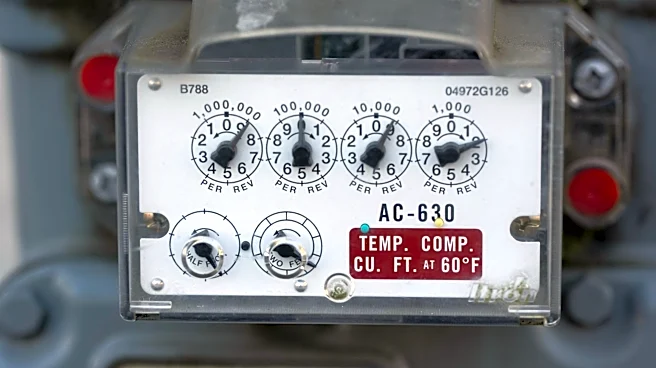
National Grid is facing significant opposition and skepticism regarding its proposal to 'freeze' gas rates for nearly 2 million customers in New York City and Long Island until spring 2028. The utility company, which delivers electricity and natural gas to over
20 million people across New York and Massachusetts, initially presented the plan in late May as a measure to provide 'meaningful financial relief' to customers amidst rising living costs. However, critics, including consumer advocacy groups, climate organizations, and even the New York City Mayor's Office of Climate and Environmental Justice, argue that the proposal is a rate hike in disguise. They contend that the plan introduces accounting changes favorable to the company, maintains a premium on bills that would otherwise expire, and includes increased spending on gas infrastructure that customers will ultimately bear. The Public Service Commission is currently reviewing the proposal, with a decision expected in the coming months.
Why It's Important?
This situation is important because it highlights the ongoing tension between utility companies' financial interests, regulatory oversight, and consumer affordability, particularly in a state like New York with high energy costs. If approved, the 'rate freeze' could set a precedent for how utility rate adjustments are handled, potentially bypassing traditional, more transparent rate case processes. Critics argue that the proposal, despite its name, could lead to higher long-term costs for consumers through surcharges and continued infrastructure investments, impacting household budgets. The debate also touches upon the broader implications of gas infrastructure spending in the context of climate goals, as some groups advocate for reduced reliance on fossil fuels. The outcome will influence energy policy, consumer protection, and the financial landscape for utility providers in New York.
What's Next?
Regulators will continue to review the filings related to National Grid's proposal in the coming weeks. There is no set deadline for the Public Service Commission to vote, but a decision could occur during one of its monthly sessions this fall. The Commission has several options: it could approve or deny the proposal outright, modify it, or convert the proceeding into a larger, more traditional rate case, as some parties have requested. National Grid has indicated that if the petition is not approved as written, it would likely withdraw the proposal and file for significant delivery rate increases as quickly as possible. This suggests a potential for either a modified 'freeze' plan or a return to conventional rate hike requests, both of which would have direct financial implications for New York gas customers.
Beyond the Headlines
The controversy surrounding National Grid's 'rate freeze' proposal extends beyond immediate billing concerns, touching upon deeper issues of regulatory transparency and the future of energy infrastructure. Critics argue that the company's approach, by attempting to avoid a full rate case, undermines public participation and scrutiny, potentially setting a dangerous precedent for future utility negotiations. This raises questions about the balance of power between large utility corporations and state regulatory bodies, and the effectiveness of current mechanisms for protecting consumer interests. Furthermore, the proposal's inclusion of significant gas infrastructure spending, despite calls for decarbonization, highlights the ongoing challenge of transitioning to cleaner energy sources while maintaining reliable service and managing costs. The outcome could influence public trust in utility companies and regulatory processes, and shape the long-term energy strategy for New York.