






What's Happening?
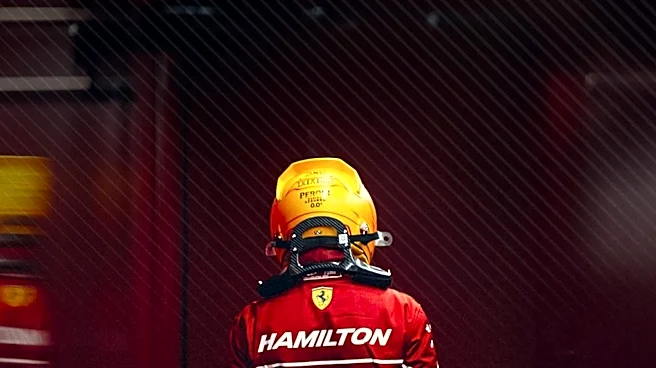
Lewis Hamilton, the Formula 1 driver, has publicly denied claims circulating in Italian media that he requested staff changes at the Ferrari team. Reports from publications like Corriere della Sera suggested that Hamilton was pushing Ferrari team principal
Fred Vasseur to alter operational staff. Hamilton addressed these rumors on his Instagram story, stating, “I’ve seen some of the stories that have gone out and I want to clear it up here. I’ve never asked for anyone on my team to be replaced.” He emphasized the dedication of his team members, asserting that their hard work is what drives them forward. Hamilton also highlighted his intention to empower and uplift individuals to be their best versions of themselves. These denials come amidst a challenging period for Ferrari, which has not secured a Grand Prix podium since July, and Hamilton's recent retirement from the Spanish Grand Prix due to a braking system failure.
Why It's Important?
This denial is important as it directly addresses speculation that could undermine team morale and stability within Ferrari, especially during a competitive Formula 1 season. Reports of a strained relationship between a high-profile driver like Hamilton and the team principal, coupled with alleged demands for staff changes, could create internal divisions and external scrutiny. Hamilton's clear statement aims to quash these rumors, reinforcing a message of unity and support for his colleagues. Maintaining a cohesive team environment is crucial for performance in Formula 1, where success relies heavily on the synchronized efforts of drivers, engineers, and support staff. Any perception of internal conflict could negatively impact the team's ability to strategize, innovate, and execute effectively on the track, potentially affecting their championship aspirations and brand image.
What's Next?
Following Hamilton's public denial, the immediate focus will likely shift back to Ferrari's performance on the track. The team will aim to demonstrate unity and improved results in upcoming races to put these rumors definitively behind them. Hamilton's statement could help to stabilize the team's internal dynamics and reassure fans and stakeholders of his commitment to Ferrari. However, the underlying pressures of competition and the team's recent performance challenges will remain. Future race outcomes and the visible working relationship between Hamilton and the team leadership will be closely watched to see if the denial effectively dispels the narrative of internal discord. The team's ability to secure podium finishes and close the gap to championship leaders will be critical in shaping the perception of their internal harmony and overall trajectory for the remainder of the season.
Beyond the Headlines
Beyond the immediate impact on team dynamics, this incident highlights the intense media scrutiny and pressure faced by high-profile athletes and sports teams. Rumors, even if unfounded, can quickly gain traction and potentially disrupt a team's focus and public image. Hamilton's proactive response underscores the importance of direct communication in managing public perception and maintaining control over one's narrative in the digital age. It also touches upon the broader ethical considerations of sports journalism, where speculative reports can have real-world consequences for individuals and organizations. The incident serves as a reminder of the delicate balance between reporting on team developments and avoiding the spread of unverified information that could impact professional relationships and team cohesion in a high-stakes environment like Formula 1.