






What's Happening?
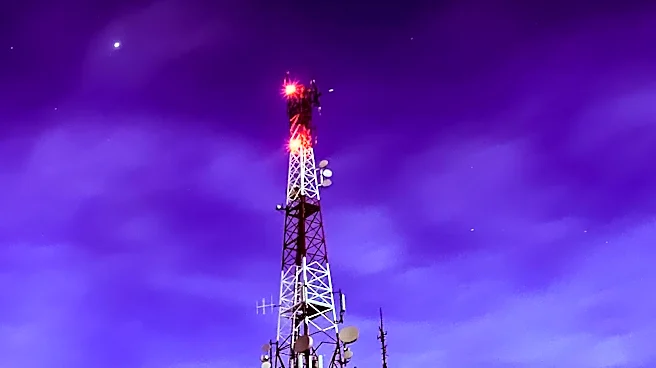
SpaceX has announced plans to launch Starlink Mobile, a service designed to compete with major US wireless carriers like AT&T, T-Mobile, and Verizon. The company intends to deploy small base stations across the country, leveraging its Starlink satellite
network to provide mobile connectivity. This approach contrasts with traditional large cell towers, aiming to offer better coverage and eliminate dead zones. SpaceX has acquired spectrum licenses to support this terrestrial service, with plans to begin deploying next-generation satellites next year. The company believes its service will outperform existing carriers, particularly during natural disasters.
Why It's Important?
The entry of SpaceX into the mobile service market could significantly alter the competitive landscape. By utilizing its satellite network, SpaceX aims to provide superior coverage and reliability, potentially attracting customers from established carriers. This move could lead to increased competition, driving innovation and potentially lowering costs for consumers. Additionally, the integration of satellite and terrestrial services could enhance connectivity in remote and underserved areas, addressing long-standing coverage gaps in the US.
What's Next?
SpaceX plans to start deploying its next-generation satellites next year, with service expected to commence by the end of the year. The company will need to navigate regulatory approvals and potential challenges from existing carriers. As SpaceX builds out its terrestrial infrastructure, it may explore partnerships or further spectrum acquisitions to enhance its service offerings. The success of Starlink Mobile could pave the way for similar initiatives in other markets, further expanding SpaceX's influence in the telecommunications sector.