





What's Happening?
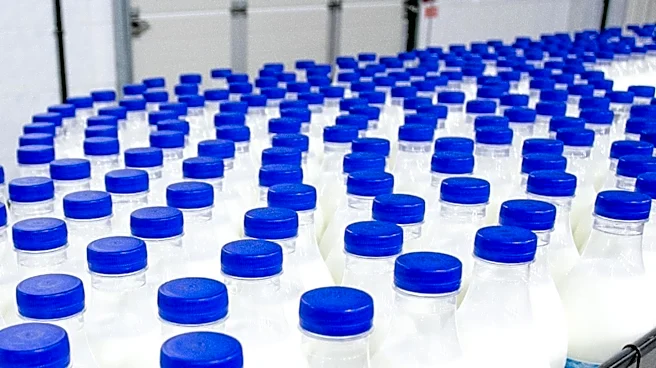
Land O'Lakes announced in July 2026 an investment to significantly increase its capacity for high-value dairy proteins at its Tulare, California, plant. This expansion aims to enable the facility to produce ultra-filtered milk, thereby adding value to the milk supplied
by the cooperative's farmer members. According to Heather Anfang, Land O'Lakes executive vice president and president of the Dairy Foods division, the expansion is more than a single upgrade; it's about building the future of dairy. The initial phase of this facility expansion is expected to open during the first quarter of 2027. This move by Land O'Lakes is part of a broader trend within the U.S. dairy processing sector, which is seeing over $15 billion in investments across 23 states, with more than 85 manufacturing projects planned or underway through 2030, as reported by the International Dairy Foods Association (IDFA). The IDFA also projects that dairy manufacturing will surpass the wider manufacturing sector's employment and output growth over the next decade.
Why It's Important?
This investment by Land O'Lakes is crucial for several reasons, primarily impacting the U.S. dairy industry and its farmer-owners. By increasing the capacity for high-value dairy proteins and ultra-filtered milk, Land O'Lakes is responding to growing consumer demand for innovative dairy products that offer benefits like higher protein content and lactose-free options. This strategic expansion helps secure a more profitable future for its cooperative members by adding value to their raw milk. The broader industry trend of significant investment, as highlighted by the IDFA, indicates a robust and expanding dairy sector in the U.S. This growth is expected to create jobs and boost economic output, positioning dairy manufacturing as a key contributor to the national economy. The focus on automation and robotics, as mentioned by Anfang, also points to efforts to address labor challenges and enhance operational efficiency across Land O'Lakes' 11 processing plants, setting a precedent for technological adoption in the sector.
What's Next?
The first phase of Land O'Lakes' Tulare plant expansion is slated to open in the first quarter of 2027, which will mark the beginning of increased production of ultra-filtered milk and high-value dairy proteins. This will likely lead to a greater availability of these specialized dairy products in the market. The company also plans to continue exploring opportunities to improve operations across its network, including further automation and robotics to address staffing difficulties and maintain efficiency. The ongoing investments across the U.S. dairy processing sector, totaling over $15 billion, suggest a sustained period of growth and innovation. Consumers can anticipate a wider array of dairy products, particularly those with enhanced nutritional profiles. The industry's projected outperformance of the broader manufacturing sector in employment and output growth indicates a positive outlook for job creation and economic contribution in the coming decade.
Beyond the Headlines
The strategic shift towards high-value dairy proteins and ultra-filtered milk by Land O'Lakes and the broader dairy industry reflects a deeper understanding of evolving consumer preferences and health trends. This move signifies a transition from traditional dairy products to more specialized, health-conscious offerings, which could redefine the dairy aisle. The emphasis on adding value to raw milk directly benefits farmer-owners, potentially stabilizing their income and fostering sustainable agricultural practices within the cooperative model. Furthermore, the adoption of automation and robotics to counter labor shortages highlights a significant long-term trend in manufacturing, where technology is increasingly seen as a solution to operational challenges. This could lead to a more technologically advanced and efficient dairy industry, but also raises questions about the future of labor in these facilities. The overall investment surge underscores the resilience and adaptability of the U.S. dairy sector in meeting modern market demands.