



What's Happening?
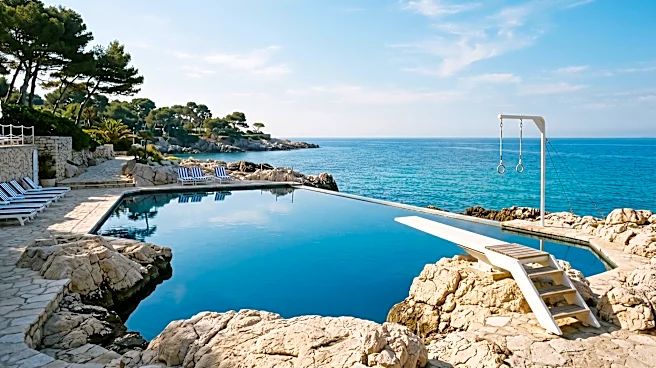
Hotel du Cap-Eden-Roc, a renowned luxury hotel on the French Riviera, has implemented new rules to restrict photo shoots and excessive cellphone use by guests, particularly targeting social media influencers. The hotel, historically favored by prominent
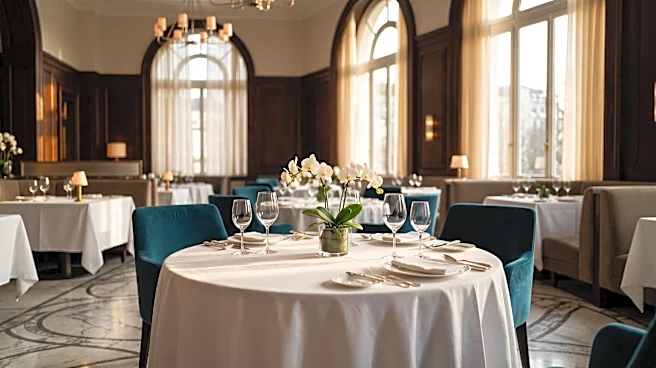
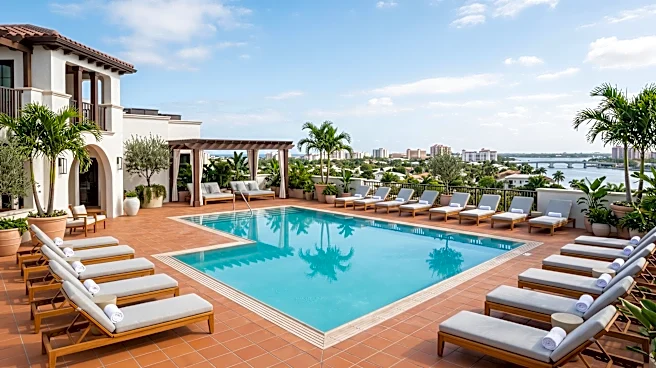
figures like the Kennedy family and Grace Kelly, aims to preserve the privacy and peaceful atmosphere for its clientele. The new policy prohibits photo shoots on the property without prior management permission. Hotel manager Sophie Volant noted that some visitors, including non-hotel guests, were spending more time taking photos than enjoying their meals and were even arriving with multiple outfit changes for extensive photo sessions. This behavior has reportedly disrupted the experience for loyal, repeat guests who view the hotel as a 'summer home.' The restrictions have been largely welcomed by guests, with some even advocating for stricter enforcement.
Why It's Important?
This policy change by Hotel du Cap-Eden-Roc reflects a growing tension between the desire for privacy and exclusivity in luxury hospitality and the pervasive influence of social media culture. For high-end establishments, maintaining an atmosphere of discretion and tranquility is crucial to their brand identity and appeal to a discerning clientele, many of whom are public figures seeking respite from scrutiny. The rise of influencer culture, where individuals often prioritize content creation over genuine experience, poses a direct challenge to this model. This move could set a precedent for other luxury hotels globally, particularly those frequented by celebrities and high-net-worth individuals, to implement similar restrictions. It highlights a broader societal debate about the impact of social media on public spaces and personal privacy, and how businesses are adapting to manage these new dynamics to protect their core values and customer experience.
What's Next?
The Hotel du Cap-Eden-Roc will likely continue to refine and enforce its new photography policy, potentially inspiring other luxury establishments to follow suit. The hotel's management will need to balance the enforcement of these rules with maintaining a welcoming environment for all guests, including those who may wish to capture personal memories. There could be an ongoing dialogue within the hospitality industry about best practices for managing social media presence and guest privacy. Influencers and content creators may need to adapt their strategies when visiting such venues, potentially seeking official collaborations or adhering more strictly to property guidelines. The incident also underscores the need for clear communication from hotels regarding their policies to manage guest expectations and avoid misunderstandings, as seen with the online reactions to the hotel's new rules.
Beyond the Headlines
The hotel's decision points to a deeper cultural shift where the pursuit of online validation through social media content can clash with traditional notions of luxury, privacy, and authentic experience. It raises ethical questions about the commodification of private spaces and the impact of constant digital documentation on personal interactions and relaxation. For luxury brands, the challenge lies in leveraging the promotional power of social media without compromising the exclusive and intimate experience they offer. This situation also highlights the evolving role of hospitality staff, who may increasingly be tasked with mediating between guests' digital habits and the establishment's desired ambiance. Ultimately, it reflects a broader societal negotiation of boundaries in an increasingly hyper-connected world, where the desire to 'capture the moment' often supersedes the moment itself.