
What's Happening?
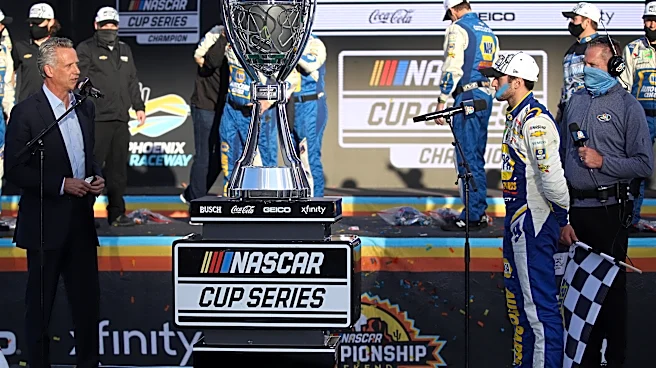
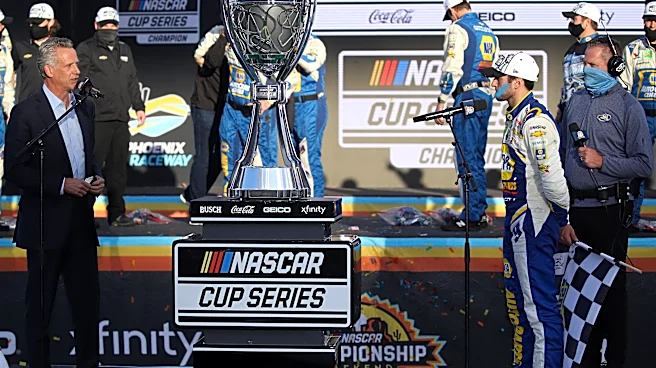
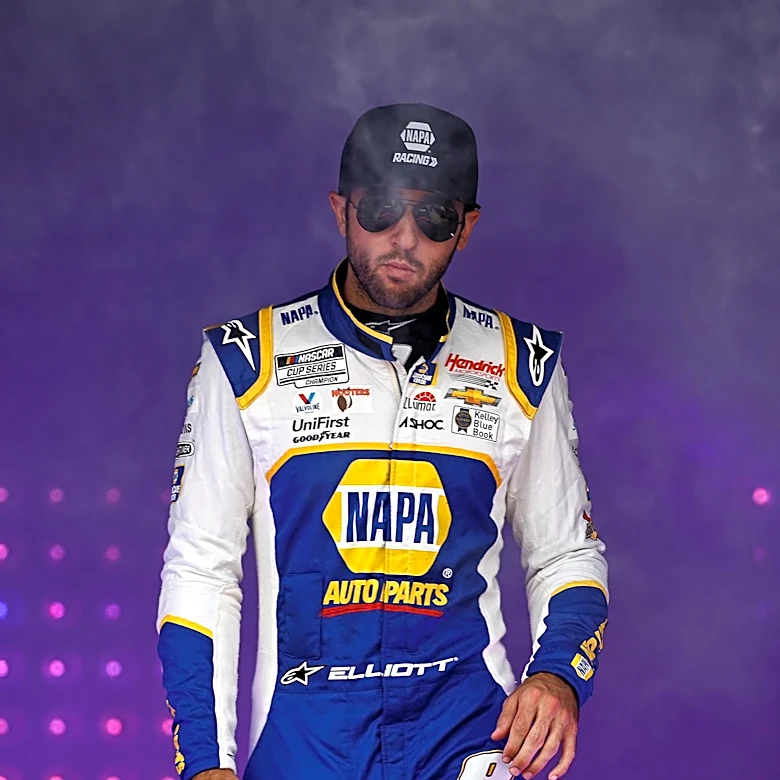
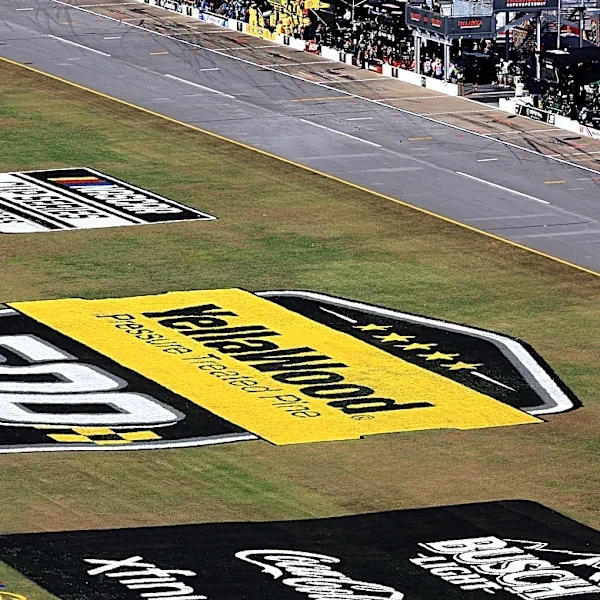
The 2026 NASCAR Cup Series Championship Race at Homestead-Miami Speedway experienced a significant drop in television viewership compared to the previous year's finale. According to sports insider Adam Stern, the race, broadcast on NBC, garnered a 1.37
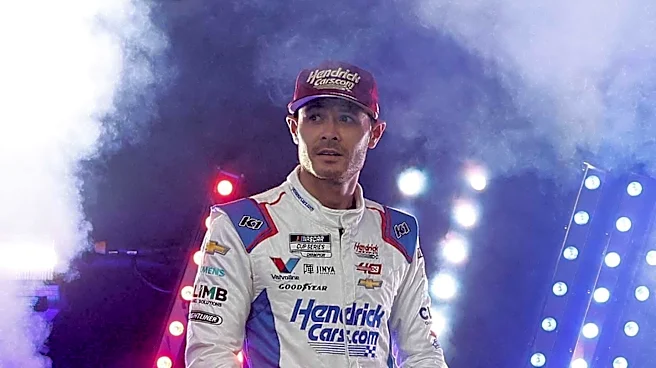
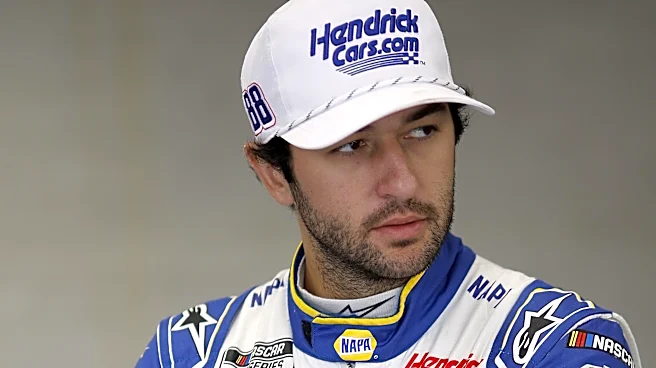
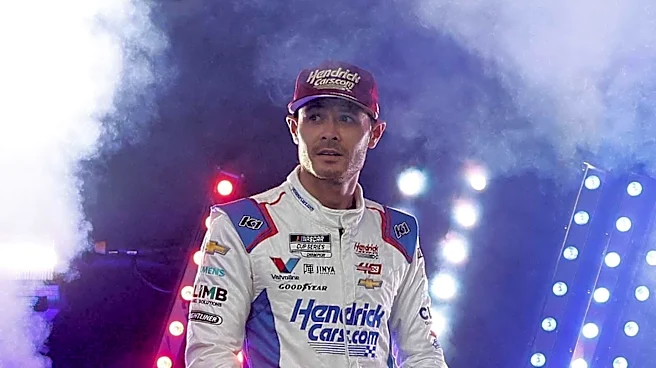
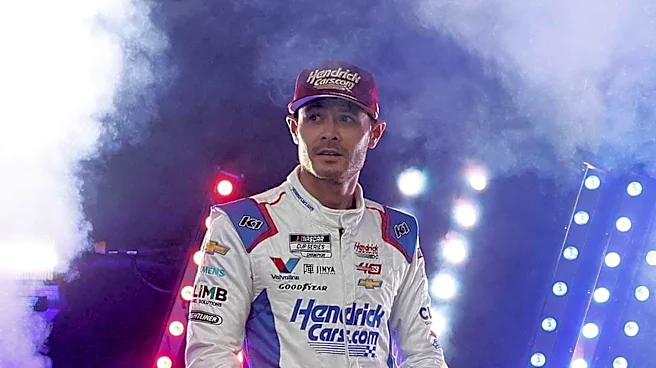
rating and attracted 2.471 million viewers. This represents an 11% decrease from the 2025 championship race, which had a 1.45 rating and 2.774 million viewers. The overall 2026 Cup Series season also saw a decline, averaging 2.419 million viewers, a 2% drop from the 2.479 million average in 2025. Kyle Larson secured his third career NASCAR Cup Series championship by finishing fourth in Stage 1 at Homestead, while Ryan Blaney won the season-finale race after overtaking Tyler Reddick in the final laps. Larson's championship win made him the 11th driver in NASCAR history to achieve at least three Cup titles and the first back-to-back champion since Jimmie Johnson.
Why It's Important?
The reported decline in NASCAR's TV ratings for both its championship race and the entire 2026 season raises concerns for the sport's growth trajectory. Despite significant changes implemented by NASCAR in 2026 aimed at increasing viewership, the numbers indicate a contraction in audience engagement. A sustained downward trend in viewership could impact advertising revenue, sponsorship deals, and the overall financial health of the sport. For broadcasters like NBC, lower ratings might influence future contract negotiations and programming decisions. The fact that a compelling narrative, such as Kyle Larson securing his third championship and becoming a back-to-back winner, did not prevent this decline suggests deeper challenges in attracting and retaining viewers. This trend could also affect team sponsorships and driver marketability, as exposure metrics are crucial for securing financial backing.
What's Next?
NASCAR will likely need to analyze the factors contributing to the viewership decline as it prepares for the 2027 season. Potential next steps could involve re-evaluating race formats, marketing strategies, and fan engagement initiatives to reverse the trend. The sport may explore new ways to attract younger demographics and maintain the interest of its existing fanbase. Broadcasters and NASCAR officials will likely engage in discussions to understand audience preferences and adjust content delivery. The performance of the 2027 season's ratings will be closely watched to determine if the 2026 decline was an anomaly or part of a more persistent trend. Stakeholders, including team owners, sponsors, and drivers, will be keen to see how NASCAR addresses these viewership challenges to ensure the sport's long-term viability and appeal.
Beyond the Headlines
The dip in NASCAR viewership could reflect broader shifts in media consumption habits, where traditional linear television audiences are fragmenting across various digital platforms. While the source doesn't specify, it's possible that a portion of the audience has migrated to streaming services or other forms of digital content, which may not be fully captured by traditional TV ratings. This situation highlights the ongoing challenge for established sports leagues to adapt to evolving media landscapes and engage fans through diverse channels. The perceived predictability of Kyle Larson's championship win entering the final race might also point to a need for more competitive drama throughout the season and in the playoffs to maintain viewer interest. The long-term implications could involve NASCAR investing more heavily in digital content creation, direct-to-consumer streaming options, and interactive fan experiences to recapture and grow its audience in an increasingly competitive entertainment market.