





What's Happening?
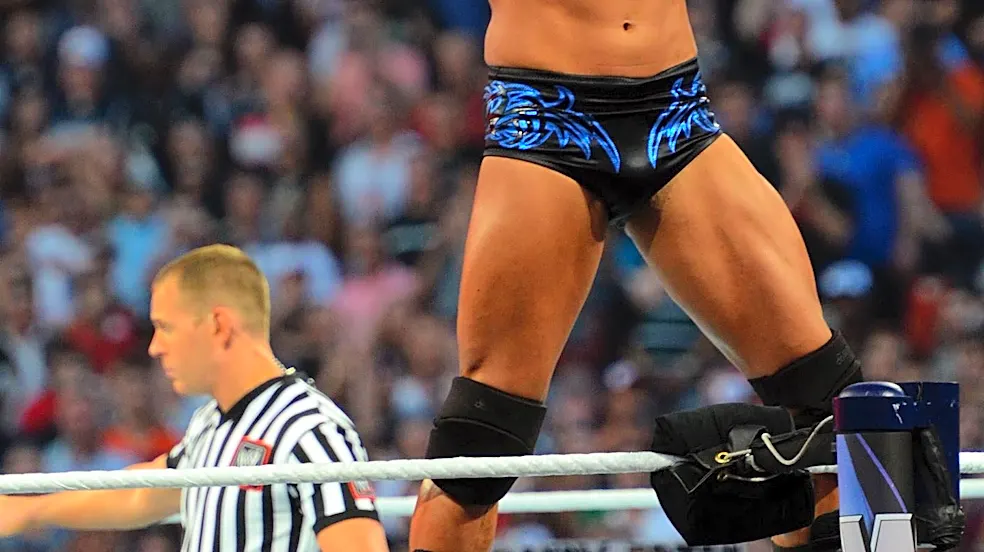
An analysis of Randy Orton's career in WWE highlights his consistent and purposeful in-ring character, which has fostered a deep connection with the audience. Orton is described as a wrestler whose every move and glance is deliberate and character-consistent,
distinguishing him from those who wrestle to 'get over' versus those who are already 'over.' His long-standing relationship with Cody Rhodes, dating back over a decade, is also examined, including their time together in the heel group Legacy, their brief feud, and more recent storylines. The analysis points to Orton's ability to rally a crowd and make opponents, like Cody Rhodes in his earlier career, feel like legitimate threats, even in competitive matches where Orton ultimately wins.
Why It's Important?
This analysis is important for understanding the longevity and impact of a veteran performer like Randy Orton in the professional wrestling industry. His ability to maintain a consistent character and deep audience connection over many years demonstrates a model for sustained success in entertainment. For WWE, Orton represents a valuable asset whose established equity with fans can elevate new storylines and talent, as seen in his interactions with Cody Rhodes. This dynamic helps in building new stars while retaining the interest of long-time viewers. The emphasis on purposeful character work also provides insight into the storytelling aspects of professional wrestling, illustrating how subtle actions and consistent portrayal contribute to a wrestler's overall appeal and effectiveness.
What's Next?
The ongoing narrative between Randy Orton and Cody Rhodes is expected to continue, with the analysis suggesting a need for a climactic conclusion worthy of their long history. Future storylines will likely leverage the deep-seated relationship and past feuds between the two wrestlers, aiming to capitalize on the audience's investment in their dynamic. The focus on Orton's consistent character work implies that he will continue to be a pivotal figure in WWE programming, potentially in roles that further elevate emerging talent or engage in high-stakes rivalries. The industry will likely continue to study and replicate the elements of Orton's success in character development and audience engagement for future generations of wrestlers.
Beyond the Headlines
Beyond the immediate wrestling storylines, Randy Orton's career trajectory and character consistency offer broader insights into the entertainment industry. His ability to remain relevant and deeply connected with an audience for over a decade, without constantly reinventing his persona, speaks to the power of authenticity and deliberate performance. This contrasts with the often fleeting nature of fame in modern entertainment. The analysis also touches upon the collaborative nature of wrestling, where established stars like Orton can significantly contribute to the development and credibility of younger talent. This mentorship aspect, even within a competitive environment, highlights a less visible but crucial element of sustained success in performance-based industries.