







What's Happening?
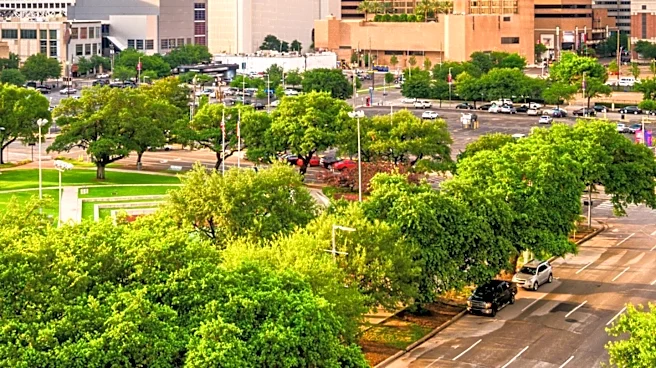
Houston is at the forefront of a national trend seeing a significant increase in millionaire renter households. According to a new report by RentCafe, the number of millionaire renter households in Houston surged by 1,189% between 2020 and 2024, growing
from 18 to 232. This dramatic increase positions Houston as the national leader in this demographic shift. Across the United States, the total number of millionaire renter households grew by 229% during the same period, from 5,592 to 18,400. This growth outpaced the 193% increase in millionaire homeowner households. Millennials constitute approximately half of these millionaire renters, followed by Generation X at 33% and Baby Boomers at 14%. In contrast, millionaire homeowners are primarily Gen X (45%), Baby Boomers (33%), and Millennials (19%). M. Stephen Meek, senior vice president of development for StreetLights Residential, notes that these affluent renters are choosing to rent not out of necessity, but for the lifestyle benefits associated with luxury, full-service residences and extensive amenities. They seek the space, privacy, and quality of a custom home combined with the convenience of a 'lock-and-leave' lifestyle, free from concerns about maintenance, property taxes, or rising condo association dues.
Why It's Important?
This trend signifies a notable shift in housing preferences among high-net-worth individuals in the U.S., particularly in urban centers like Houston. The increasing number of millionaire renters suggests a re-evaluation of traditional homeownership, even among those with the financial capacity to buy. This demographic's preference for renting luxury properties can significantly impact the real estate market, driving demand for high-end rental developments and influencing urban planning. Developers and real estate investors may increasingly focus on creating and marketing luxury rental units with comprehensive amenities to cater to this growing segment. Furthermore, this shift could have broader economic implications, as it suggests that a portion of significant wealth is being allocated away from traditional home equity and potentially towards other investments, such as the stock market, as mentioned in related analyses. The 'lock-and-leave' lifestyle preference also indicates a desire for flexibility and reduced personal responsibility for property upkeep, which could influence the design and service offerings of future residential developments.
What's Next?
The continued growth of millionaire renter households is likely to spur further development of luxury rental properties, particularly in cities experiencing rapid increases like Houston and Naples, Florida. Real estate developers will likely continue to innovate in offering high-end amenities and services to attract and retain this affluent demographic. This trend may also lead to increased competition in the luxury rental market, potentially influencing rental prices and property values in desirable urban areas. Policymakers and urban planners might need to consider the implications of a growing population of high-income renters on city infrastructure, services, and overall housing market dynamics. Additionally, financial advisors may observe a continued interest among their wealthy clients in diversifying investments beyond traditional real estate, favoring liquid assets or other investment vehicles that align with a flexible, maintenance-free lifestyle. The sustained demand for luxury rentals could also prompt a re-evaluation of the perceived value and benefits of homeownership versus renting among other income brackets, potentially influencing broader housing market trends.
Beyond the Headlines
The rise of the millionaire renter class highlights a broader cultural and economic evolution in how wealth is perceived and utilized in the U.S. It challenges the long-held American ideal of homeownership as the ultimate symbol of financial success and stability. This shift suggests a growing prioritization of convenience, flexibility, and access to amenities over the traditional benefits of property ownership, such as equity building and tax advantages. Ethically, this trend could exacerbate existing housing inequalities, as the focus on luxury rentals might divert resources and attention from affordable housing initiatives. Legally, it could lead to new forms of rental agreements and property management structures designed to cater to the specific needs and expectations of affluent tenants. Culturally, it reflects a changing lifestyle where mobility and freedom from property-related burdens are increasingly valued, potentially influencing younger generations' aspirations regarding housing and financial planning. This phenomenon could also signal a long-term shift in urban demographics, with a more transient, high-income population shaping city centers and their economies.