
What's Happening?
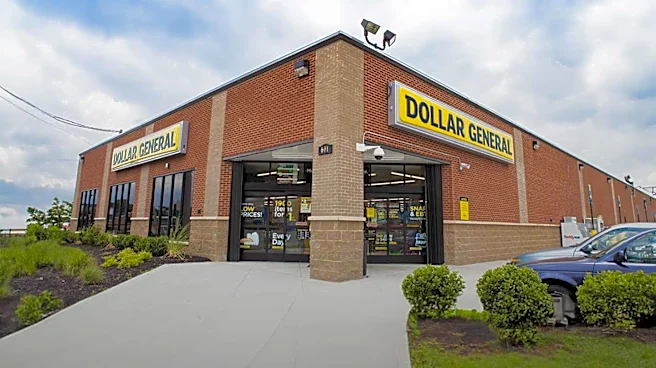
The Federal Trade Commission (FTC) and a coalition of 20 states have filed a lawsuit against Dollar General Corp., alleging that the company has engaged in long-running deceptive pricing practices. The lawsuit,
filed in the U.S. District Court for the Middle District of Tennessee, claims that Dollar General stores consistently charge customers more at the register than the prices advertised on shelves, price tags, and in ads. According to the FTC, Dollar General has been aware of this issue for years, having received over 29,000 consumer complaints regarding price discrepancies and conducting its own internal audits that confirmed the problem. Despite this knowledge and prior settlements with six state attorneys general and consumer protection agencies, the company has allegedly failed to implement adequate policies and practices to resolve the overcharging. Christopher Mufarrige, Director of the FTC’s Bureau of Consumer Protection, stated that Dollar General has 'betrayed the trust of millions of American consumers and imposed significant financial harm on communities and consumers who are already struggling to make their paychecks last.' The lawsuit asserts that these practices violate state laws, the FTC Act, and the Gramm-Leach-Bliley Act (GLBA), with GLBA violations specifically related to using false pricing statements to obtain consumer information from debit cards, credit cards, and checks.
Why It's Important?
This lawsuit is significant because it targets a major retailer that positions itself as a low-priced option, particularly for low- and fixed-income customers who rely on accurate pricing. The alleged overcharging, if proven, would disproportionately affect vulnerable shoppers, potentially costing them millions of dollars. The involvement of the FTC and 20 states underscores the widespread nature and severity of the alleged deceptive practices, indicating a systemic issue rather than isolated incidents. For consumers, especially those with limited budgets, even small overcharges can have a substantial impact on their financial well-being. For Dollar General, a company with over 21,000 stores nationwide, the lawsuit could result in significant financial penalties, reputational damage, and a mandated overhaul of its pricing systems. It also sends a strong message to other retailers about the importance of price accuracy and consumer protection, highlighting the regulatory commitment to holding companies accountable for deceptive practices.
What's Next?
Dollar General has responded to the lawsuit by denying that it has abandoned its mission or willfully disregarded customer affordability needs. The company stated that its goal is '100% accuracy between shelf and register prices' and acknowledged that 'occasional price discrepancies can occur,' with store teams instructed to rectify such issues for customers. Dollar General also claimed to have enhanced its price-accuracy processes and expressed willingness to engage in discussions to resolve the matter. The legal proceedings will likely involve discovery, motions, and potentially a trial, unless a settlement is reached. The outcome could lead to court-ordered injunctions, civil penalties, and restitution for affected consumers. This case may also prompt increased scrutiny of pricing practices across the retail sector, particularly among discount chains, and could lead to new industry standards or enhanced regulatory enforcement to ensure price integrity for consumers.
Beyond the Headlines
Beyond the immediate legal and financial implications, this lawsuit highlights broader issues of corporate responsibility and consumer trust, especially in an economic climate where many households are struggling. The alleged practices by Dollar General, if substantiated, reveal a potential exploitation of customers who depend on affordable goods and accurate pricing. This case could spark a wider public conversation about the ethical obligations of large corporations to their customer base, particularly those in lower-income brackets. It also underscores the critical role of regulatory bodies like the FTC and state attorneys general in safeguarding consumer rights and ensuring fair market practices. The resolution of this lawsuit could influence consumer behavior, potentially leading shoppers to be more vigilant about checking prices at the register and holding retailers accountable for discrepancies.