




What's Happening?
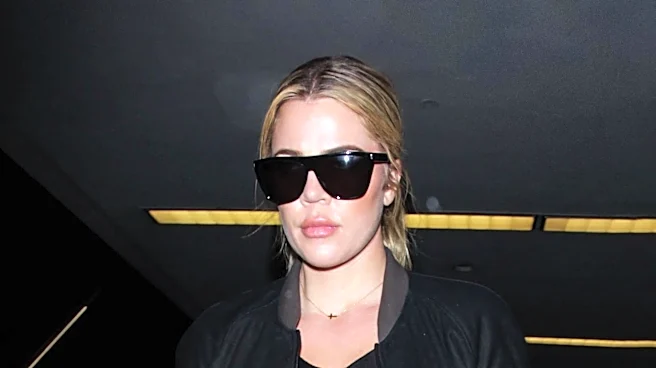
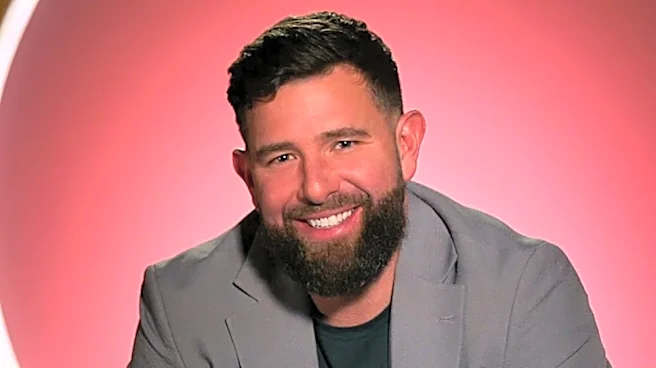
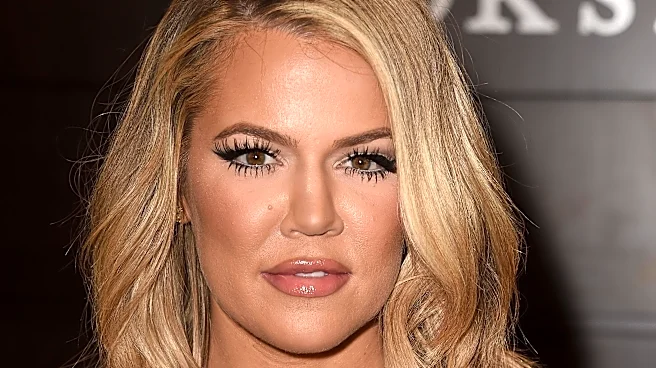
Khloé Kardashian has publicly criticized her ex-husband, Lamar Odom, following comments he made in his Netflix documentary, 'Untold: The Death & Life of Lamar Odom.' In the documentary, released in March, Odom claimed he married Kardashian primarily for
her lifestyle and connections, stating, 'I’m watching how she lives and their lifestyle. I’m like, ‘This is how I want to live.'' Kardashian, appearing on 'The Kardashians,' expressed her displeasure, calling his remarks 'lame' and 'distasteful.' She stated that she participated in the documentary as a favor to Odom and found his comments about not truly loving her and marrying her for popularity 'so weird.' Kardashian emphasized that their 'bridge is now burned' and that Odom is 'dead to me,' further adding, 'This just solidifies what liars, con artists, cheats, thieves, trolls that men are. I just don’t wanna be involved. Play with yourself, don’t play with me.' Odom's daughter, Destiny, also suggested in the documentary that her father 'had wanted to be on reality TV for a long time.' Additionally, Odom reportedly downplayed Kardashian's role in helping him after his near-fatal overdose in 2015.
Why It's Important?
This public disagreement between Khloé Kardashian and Lamar Odom highlights the complexities and often contentious nature of celebrity divorces, particularly when personal narratives are shared through media platforms like documentaries and reality television. For public figures, the control over one's personal story becomes a significant aspect of their public image and brand. Odom's documentary, by offering his perspective on their marriage, directly impacts Kardashian's narrative and public perception, leading to her strong rebuttal. This situation underscores how past relationships, even after divorce, can continue to generate public interest and debate, influencing the reputations of those involved. The dispute also touches upon the ethical considerations of sharing intimate details of a past relationship for public consumption, especially when one party feels misrepresented or exploited. For fans and the broader public, these events offer a glimpse into the personal lives of celebrities, often fueling discussions about authenticity, loyalty, and the pressures of living under constant media scrutiny. The ongoing media coverage of their interactions, years after their divorce, demonstrates the enduring public fascination with high-profile relationships and their aftermath.
What's Next?
Following Khloé Kardashian's strong statements, it is likely that media attention surrounding the former couple will intensify. Lamar Odom has not yet publicly responded to Kardashian's recent comments, and Page Six has reached out to him for comment. His potential response, or lack thereof, will shape the immediate trajectory of this public dispute. The 'Kardashians' reality show, where Khloé made her remarks, often serves as a platform for the family to address personal issues, suggesting that this topic may be further explored in future episodes. This public airing of grievances could lead to increased scrutiny of both Odom's documentary and Kardashian's reality show, as audiences analyze their respective narratives. The situation may also prompt further discussions within the entertainment industry regarding the responsibilities of individuals when sharing details of past relationships in public forums, particularly when those relationships involved other public figures. The ongoing media coverage will likely continue to dissect their past and present interactions, keeping the story in the public eye for the foreseeable future.
Beyond the Headlines
The public exchange between Khloé Kardashian and Lamar Odom delves into deeper themes concerning the commodification of personal relationships in the age of reality television and celebrity culture. When individuals' lives are extensively documented and broadcast, the lines between private experience and public spectacle become blurred. Odom's decision to frame his marriage to Kardashian in terms of career advancement and lifestyle, and Kardashian's subsequent outrage, highlights the tension between genuine emotion and strategic self-presentation in the public sphere. This incident also raises questions about the long-term psychological impact on individuals whose most intimate moments are dissected by millions. The concept of 'burning bridges' and declaring someone 'dead to me' in such a public manner reflects the profound emotional toll that such public narratives can take. Furthermore, it underscores the power dynamics inherent in celebrity relationships, where one party's narrative can significantly influence the other's public standing and personal peace. The ongoing saga serves as a case study in how personal histories, once shared, can become contested territories, perpetually re-examined and re-interpreted by both the individuals involved and the consuming public.