







What's Happening?
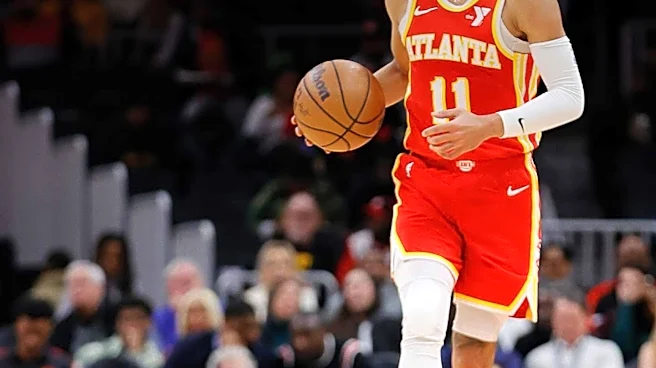
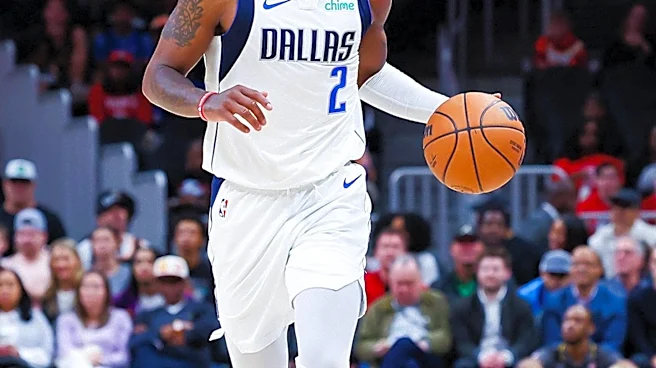
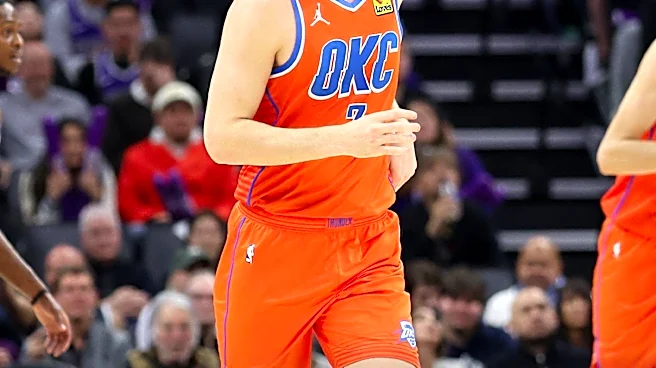
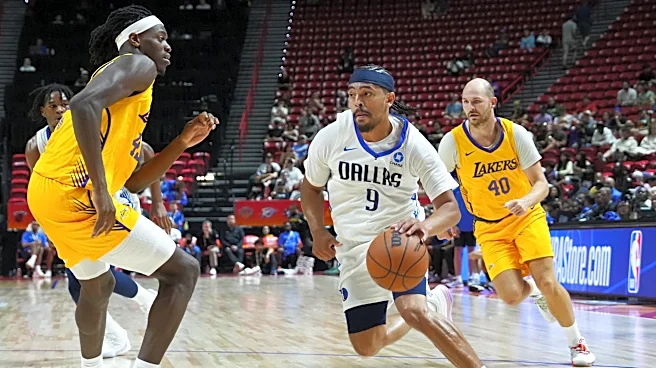
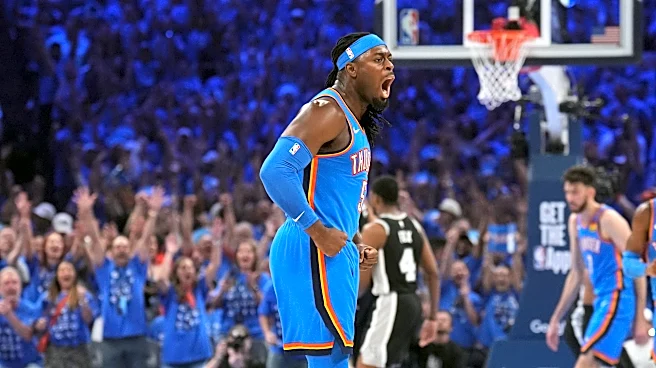
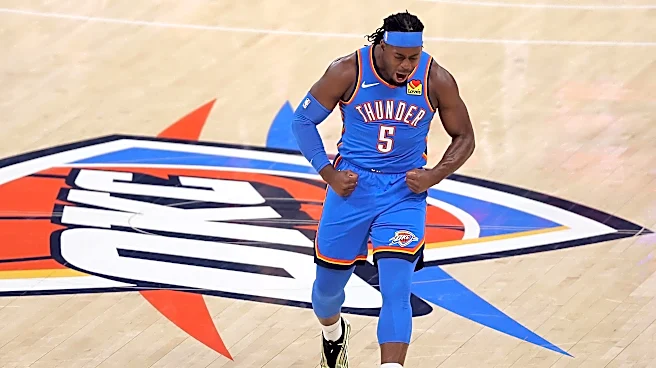
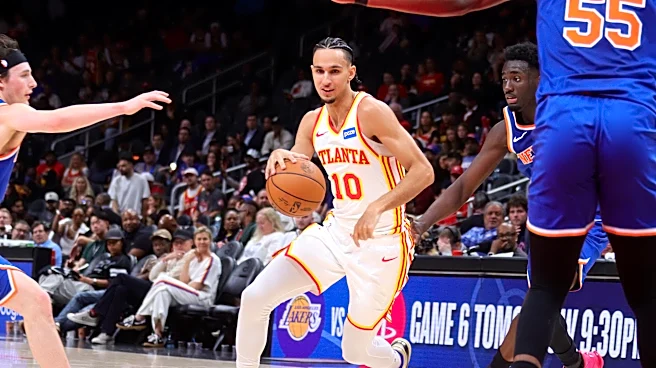
Oklahoma City Thunder general manager Sam Presti has confirmed that financial considerations related to the NBA's tax aprons were a significant factor in the team's recent decision to trade Lu Dort. The trade, which involved the Atlanta Hawks and Dallas
Mavericks, was primarily aimed at getting the Thunder under the second tax apron. This move is part of a broader strategy to manage the team's financial commitments while maintaining competitiveness. The Thunder acquired three second-round picks in the deal, which also included sending Zaccharie Risacher to the Mavericks and Ryan Nembhard to the Hawks. Presti emphasized that the savings from this trade, along with other revenue streams, will be reinvested into future team-building efforts.
Why It's Important?
This trade highlights the growing influence of the NBA's financial regulations on team management decisions. By moving under the second tax apron, the Thunder can avoid significant financial penalties and gain flexibility in future roster decisions. This strategy allows the team to manage the high salaries of key players like Shai Gilgeous-Alexander, Jalen Williams, and Chet Holmgren while still acquiring new talent. The decision underscores the importance of financial prudence in maintaining a competitive edge in the league, as teams must balance star player contracts with the need to build a well-rounded roster.
What's Next?
The Thunder's focus will likely shift to leveraging their financial flexibility to enhance their roster. With the additional draft picks acquired, the team has more assets to potentially trade for established players or to draft promising young talent. The management will need to carefully plan their next moves to ensure that the team remains a contender in the coming seasons. Stakeholders, including fans and analysts, will be watching closely to see how the Thunder utilize their newfound financial leeway to strengthen their position in the NBA.