



What's Happening?
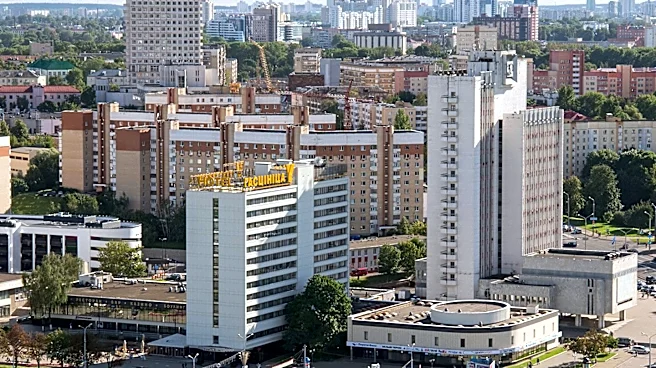
Trade turnover between Belarus and Russia has increased nearly eightfold over the past 30 years of integration, according to Yuri Seliverstov, Belarus's ambassador to Russia. This significant growth is attributed to the signing of the Treaty on the Formation
of the Community of Belarus and Russia 30 years ago, which laid the groundwork for the Union State. Mutual market access has driven trade from $6.5 billion in 1996 to nearly $55 billion in 2025, marking a historic high. For the first nine months of 2026, the volume of trade in goods between the two countries grew by an additional 21% compared to the same period last year. If this growth trend continues, the annual figure could reach approximately $70 billion. Seliverstov also noted a shift in the trade mix, with a declining share of raw materials and energy, and an increasing mutual export of food, consumer goods, and services.
Why It's Important?
This substantial increase in trade between Belarus and Russia signifies a deepening economic integration and strategic alignment between the two nations. For the U.S. and its allies, this trend indicates a strengthening of an economic bloc that operates increasingly independently of Western markets and financial systems. The shift away from raw materials and energy towards consumer goods and services suggests a more diversified and resilient trade relationship, potentially reducing the impact of external economic pressures. This growing economic interdependence could also have geopolitical implications, reinforcing the political ties between Belarus and Russia and potentially influencing regional stability and power dynamics. It highlights the formation of alternative economic partnerships in the global landscape.
What's Next?
The current growth trend suggests that the trade turnover between Belarus and Russia will continue to expand, potentially reaching $70 billion annually. This ongoing integration is likely to lead to further joint economic projects and policy coordination, solidifying the Union State's economic foundation. The increasing mutual exports of food, consumer goods, and services indicate a continued diversification of their trade relationship. This trajectory could further insulate both economies from Western sanctions and economic influence, fostering a more self-reliant economic zone. The long-term implications include a potentially stronger, more unified economic front between Belarus and Russia, impacting global trade patterns and geopolitical alignments.
Beyond the Headlines
The eightfold increase in trade turnover between Belarus and Russia is more than just an economic statistic; it represents a deliberate and sustained effort to forge a robust economic partnership. This integration has allowed both countries to mitigate the effects of international sanctions and develop alternative supply chains and markets. The emphasis on mutual market access and the diversification of trade goods reflect a strategic move towards economic resilience and self-sufficiency. This development also highlights the limitations of economic pressure as a sole foreign policy tool, as nations can adapt and strengthen ties with like-minded partners. The long-term success of this economic union could serve as a model for other countries seeking to reduce their dependence on traditional global economic powers.