









What's Happening?
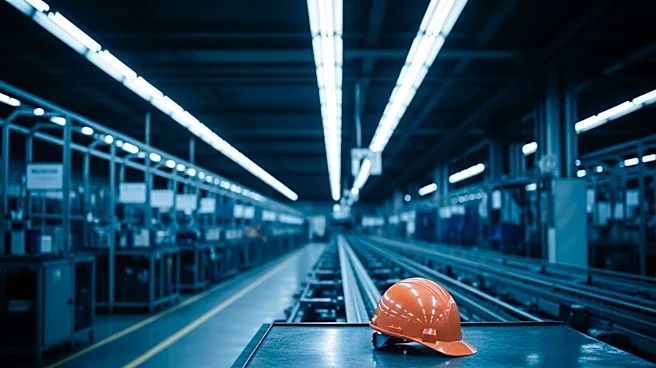
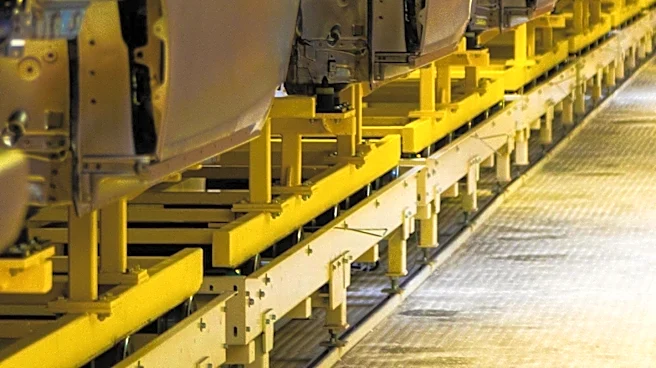
In June, U.S. manufacturing activity saw an increase, driven by companies front-loading new orders in anticipation of shortages and rising prices. However, factory employment fell to a six-year low due to increased operating costs linked to the ongoing
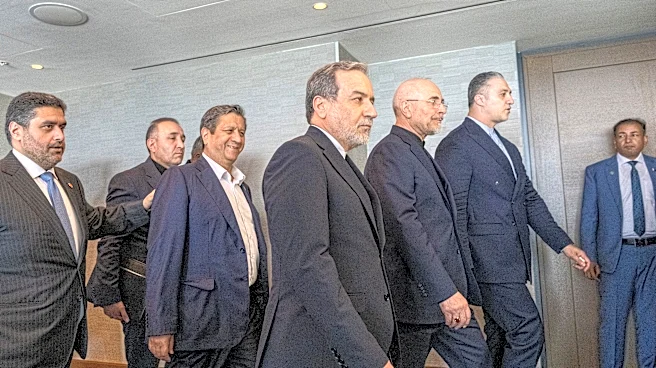
conflict in the Middle East. The preliminary Manufacturing PMI rose to 55.7, the highest since May 2022, indicating expanding production. Despite this growth, layoffs in manufacturing have reached their highest level since 2009, excluding the pandemic. The conflict between the United States, Israel, and Iran has impacted global supply chains, increasing prices for oil-related goods, aluminum, and fertilizers. An interim agreement was signed last week to end the war, with Vice President JD Vance noting progress in talks with Iranian officials.
Why It's Important?
The rise in manufacturing activity highlights the resilience of the U.S. industrial sector amid global challenges. However, the decline in factory employment and rising input costs pose significant concerns for the economy. The ongoing conflict in the Middle East has exacerbated supply chain disruptions, leading to higher prices and potential inflationary pressures. The Federal Reserve may consider raising interest rates to address these inflation risks. The situation underscores the need for careful monitoring of the labor market and anti-inflationary policies to sustain economic growth.
What's Next?
The U.S. manufacturing sector faces challenges in balancing demand growth with rising costs and employment issues. The interim agreement between the U.S. and Iran may lead to a resolution of the conflict, potentially easing supply chain disruptions and stabilizing prices. However, the sector must navigate these uncertainties while maintaining production levels. Policymakers and industry leaders will need to focus on strategies to support employment and manage inflationary pressures in the coming months.