






What's Happening?
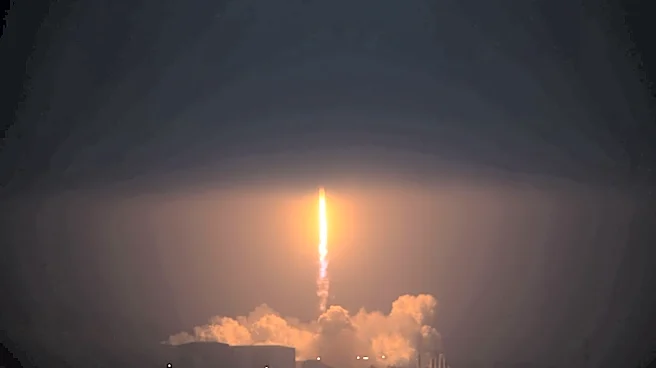
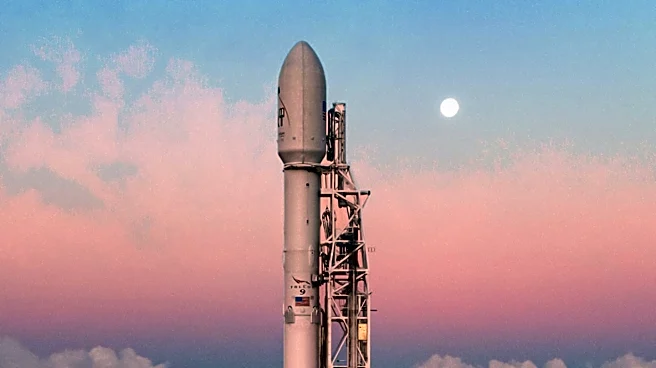
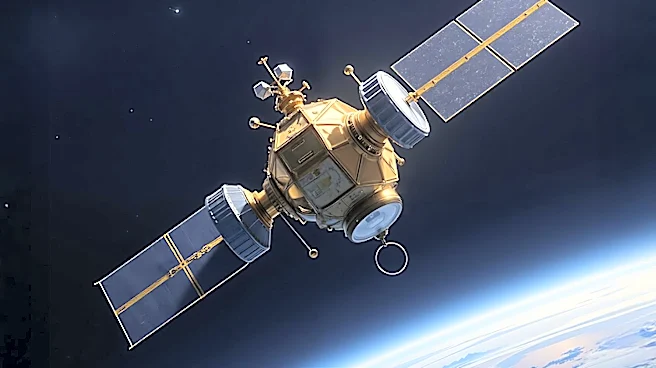
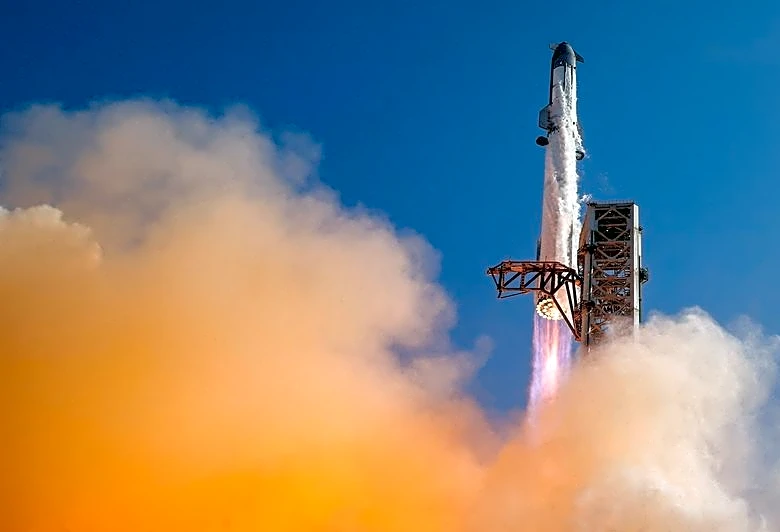
SpaceX successfully launched its 90th Falcon 9 rocket of the year from Vandenberg Space Force Base, deploying 24 Starlink satellites into low Earth orbit. This mission, part of the Starlink 17-53 initiative, adds to SpaceX's growing constellation of over
10,800 satellites aimed at providing global broadband internet coverage. The Falcon 9 rocket, identified as B1063, completed its 34th flight and achieved a successful landing on the droneship 'Of Course I Still Love You' in the Pacific Ocean. This launch underscores SpaceX's focus on expanding its satellite network, with the company prioritizing its own payloads over third-party missions.
Why It's Important?
The expansion of the Starlink satellite network is significant for global internet accessibility, particularly in remote and underserved areas. By increasing the number of satellites, SpaceX aims to enhance internet speed and reliability, potentially transforming digital connectivity worldwide. This development also highlights SpaceX's strategic shift towards prioritizing its satellite services, which could impact the commercial launch market by reducing available slots for other payloads. Additionally, the successful reuse of the Falcon 9 rocket demonstrates SpaceX's continued innovation in cost-effective space travel, reinforcing its leadership in the aerospace industry.
What's Next?
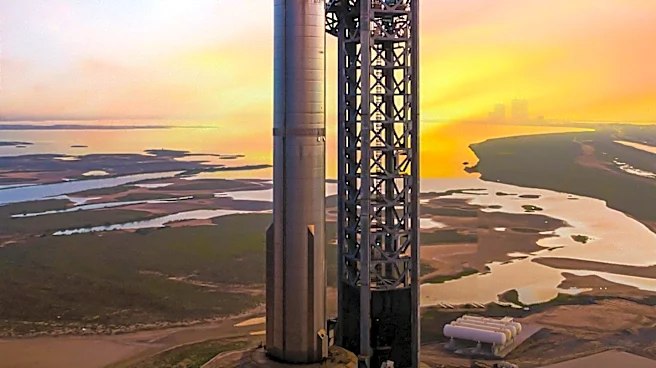
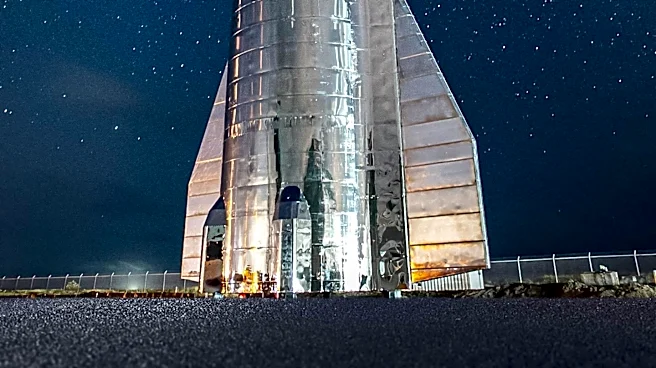
SpaceX plans to continue its aggressive launch schedule, with more Starlink missions expected in the coming months. The company is also preparing for the first orbital launch of its Starship rocket, which could further revolutionize space travel with its reusability and payload capacity. As SpaceX expands its satellite constellation, regulatory and environmental considerations may arise, particularly concerning space debris and orbital traffic management. Stakeholders, including governments and international space agencies, will likely monitor these developments closely.