







What's Happening?
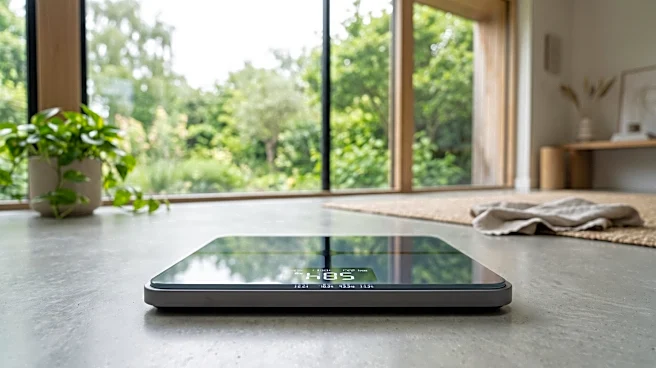
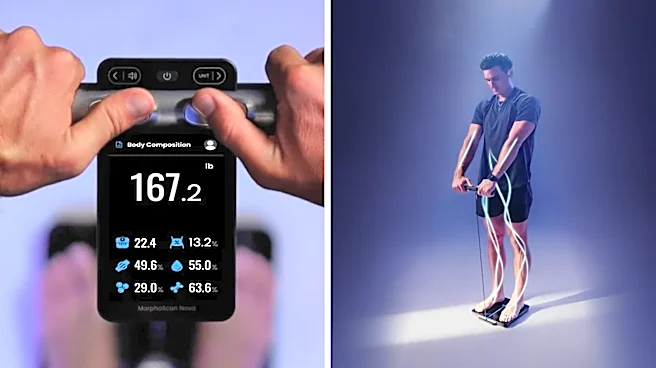
Smart scales are increasingly being used to measure body composition by sending a small electrical signal through the body to estimate fat, muscle, and water percentages. This technology, known as bioelectrical impedance analysis (BIA), provides metrics
such as body fat, muscle mass, and Body Mass Index (BMI). Setting up these scales typically involves downloading a companion app and connecting the device via Bluetooth or Wi-Fi. For accurate readings, users are advised to place the scale on a flat, hard surface, weigh themselves at the same time each day (preferably in the morning before eating), and stand still with bare feet touching both electrodes. Some advanced models, like the RENPHO Elis 1 Smart Body Scale and the GE Smart Scale, offer features such as segmental analysis and seamless integration with popular fitness applications like Apple Health, Samsung Health, and Fitbit. The Lepulse Smart Food Scale extends this functionality by providing nutritional information beyond just weight.
Why It's Important?
The shift from traditional weight scales to smart scales with body composition analysis represents a significant advancement in personal health monitoring. This technology provides a more holistic view of an individual's health beyond a single weight number, which can fluctuate due to various factors like hydration, digestion, and stress. By offering detailed metrics such as body fat percentage, muscle mass, and bone density, smart scales empower users to make more informed decisions about their fitness and nutrition plans. This comprehensive data can help individuals track real progress, identify patterns, and stay motivated, as changes in body composition might not always be reflected on a standard scale. The compatibility with major health apps also centralizes health data, making it easier for users to manage their wellness journey and potentially share relevant information with healthcare providers for more personalized guidance.
What's Next?
The integration of smart scales with broader health ecosystems is expected to continue, with ongoing advancements in sensor technology and data analytics. Future developments may include even more precise segmental analysis, enhanced AI-driven personalized health recommendations, and deeper integration with other wearable devices and medical platforms. As these technologies become more sophisticated, they could offer predictive health insights and facilitate proactive health management. The increasing adoption of these devices will likely lead to a greater emphasis on body composition metrics in general wellness discussions, moving beyond the traditional focus on BMI and overall weight. Manufacturers will also likely focus on improving user experience, making setup and data interpretation even more intuitive, and addressing concerns about data privacy and security.
Beyond the Headlines
The widespread adoption of smart scales and body composition analyzers raises several deeper implications. Ethically, the reliance on these devices for health tracking could lead to an overemphasis on numbers, potentially causing anxiety or unhealthy obsessions with body metrics if not interpreted correctly. Legally, the accuracy and reliability of these consumer-grade devices, especially when used for medical or diagnostic purposes, could become a point of contention. Culturally, the availability of detailed body composition data might influence societal perceptions of health and beauty, potentially shifting focus from weight to body fat and muscle mass. Furthermore, the data collected by these devices, while beneficial for personal tracking, also presents privacy challenges regarding how this sensitive health information is stored, shared, and utilized by companies and third-party applications. The distinction between a 'simple scale' and a 'body analyzer' also has implications for customs classification, highlighting the complexity of categorizing advanced consumer electronics.