





What's Happening?
Airbnb Japan, the Japanese subsidiary of the global accommodation platform Airbnb, has partnered with mui Lab, a Kyoto-based global startup, to initiate a noise monitoring experiment in Kyoto City. This one-year trial involves providing Minut noise sensors
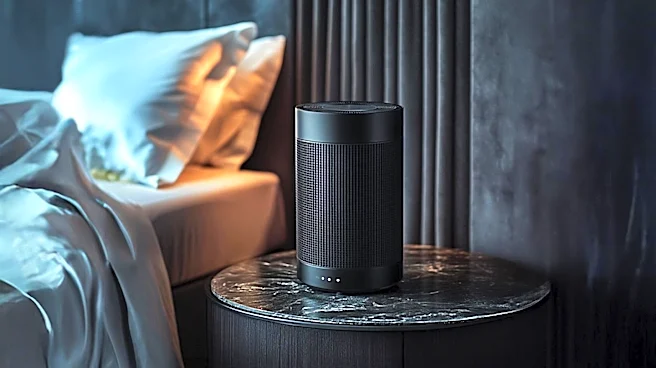
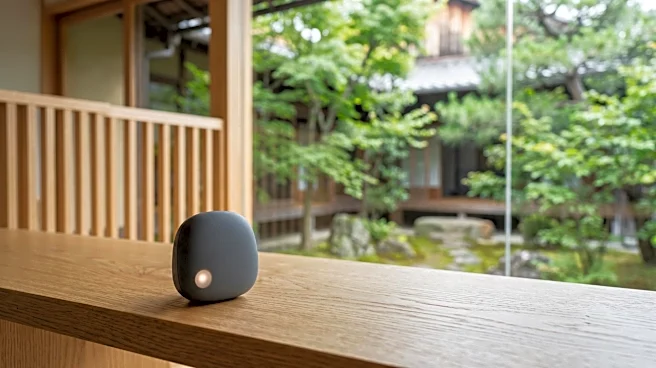
free of charge to approximately 60 cooperative hosts operating host-absent Airbnb listings in Kyoto. The Minut sensor, which does not use cameras or record audio, monitors sound levels, duration, connected devices, and occupancy via infrared detection to infer indoor conditions. The primary goal is to test the effectiveness of a system that can prevent potential noise-related issues before they escalate, thereby fostering better coexistence between Airbnb properties and local communities. This initiative marks the first time such a verification experiment is being conducted in Japan, building on a partnership between Airbnb and Minut AB (Sweden) that began in 2022, providing Minut sensors in over 60 countries and regions worldwide.
Why It's Important?
This experiment is significant for the U.S. short-term rental industry as it addresses a persistent challenge faced by platforms like Airbnb: balancing guest experience with community harmony. Noise complaints are a major source of friction between short-term rental properties and their neighbors. By proactively implementing technology to monitor and mitigate noise, Airbnb aims to demonstrate a commitment to responsible hosting and community integration. If successful, this model could be adopted in other U.S. cities grappling with similar issues, potentially influencing local regulations and public perception of short-term rentals. It could also set a precedent for how technology can be used to self-regulate and improve the operational standards of the sharing economy, benefiting both hosts by reducing potential conflicts and local residents by minimizing disturbances.
What's Next?
Following the initial phase in Kyoto, Airbnb Japan and mui Lab plan to expand the scale of the experiment by recruiting additional participating hosts in Kyoto City and other regions. The insights gained from this trial, particularly regarding the practical effectiveness of the noise monitoring system and optimal operational settings, will be widely shared with local communities and stakeholders. This data will be crucial in developing future operational rules and guidelines for host-absent accommodation facilities, aiming to establish responsible hosting practices. The collaboration seeks to create a framework where businesses, local residents, and guests can coexist peacefully, potentially leading to broader adoption of such technologies and policies across the global Airbnb network, including in the U.S.
Beyond the Headlines
The Kyoto experiment delves into the deeper implications of technology's role in fostering community trust and addressing privacy concerns within the sharing economy. The Minut sensor's design, which avoids cameras and audio recording, is a deliberate choice to respect guest privacy while still providing actionable data for hosts. This approach highlights a growing trend in smart home technology where data collection is balanced with privacy considerations. Furthermore, the initiative reflects a shift towards proactive problem-solving rather than reactive measures, aiming to prevent issues before they impact community relations. This could lead to a re-evaluation of how short-term rental platforms are regulated, moving towards models that emphasize technological solutions for responsible operation, potentially influencing policy discussions and public acceptance of such services in the U.S. and globally.