



What's Happening?
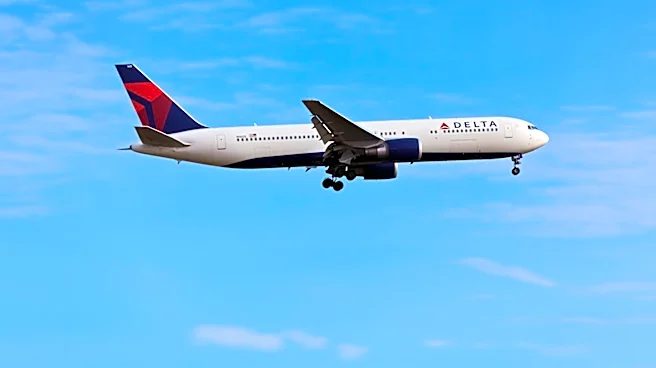
Delta Air Lines CEO Ed Bastian has defended the airline's in-flight Wi-Fi service amidst criticism from Elon Musk ally Jason Calacanis, who urged United Airlines to surpass Delta's connectivity. Calacanis specifically lamented the absence of Starlink
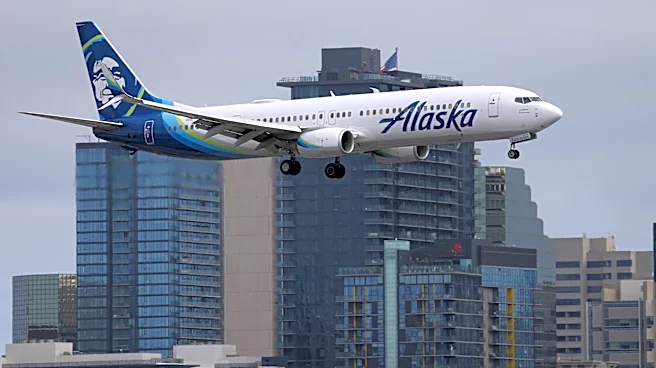
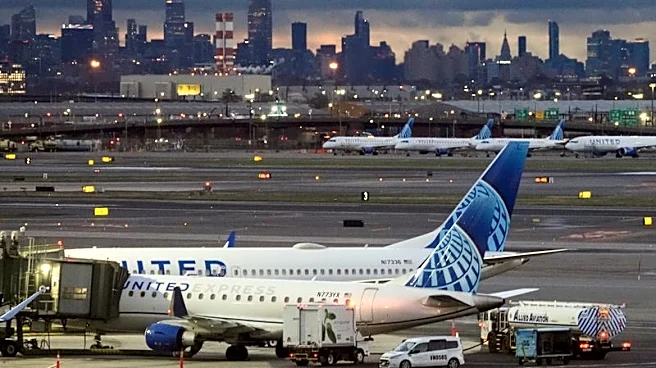
on Delta flights. Bastian, however, stated that Delta's current Viasat service, supported by two new satellites, is comparable in quality to Starlink. This defense comes after Delta opted for Amazon's Kuiper (Leo) for its next-generation connectivity, with a rollout anticipated in 2028 for an initial 500 aircraft. This decision contrasts with other major airlines like United, American, Southwest, and Alaska, which are moving towards SpaceX's Starlink network. Delta's reasons for choosing Amazon included a desire to own passenger data, maintain Delta branding, and a more competitive financial package from Amazon, which also offers integration with its retail, streaming, and gaming ecosystem.
Why It's Important?
This situation highlights a significant strategic divergence within the U.S. airline industry regarding in-flight connectivity. Delta's decision to partner with Amazon's Kuiper instead of SpaceX's Starlink represents a substantial bet on a different technological provider, with implications for passenger experience and competitive positioning. While Delta aims for full fleet Wi-Fi coverage by early 2027 using its current Viasat system, its long-term strategy hinges on Amazon's service, which won't be fully implemented for several years. This creates a potential gap where rival airlines, particularly United, which aims for full Starlink coverage by the end of 2027, could gain a competitive edge in offering faster and more reliable internet. The debate also underscores the growing importance of in-flight Wi-Fi as a factor in customer satisfaction and airline choice, even as Bastian suggests it's not a primary driver for passengers.
What's Next?
Delta plans to extend free Wi-Fi to all its aircraft by early 2027, utilizing its existing Viasat service. The full rollout of Amazon's Kuiper connectivity is expected to begin in 2028 on an initial 500 aircraft, with broader implementation to follow. In the interim, Delta will continue to rely on its Viasat system, which Bastian claims is competitive with Starlink. Meanwhile, competitors like United Airlines are aggressively pursuing full Starlink integration, with a target of achieving this by the end of 2027. This sets up a competitive landscape where passenger feedback on Wi-Fi quality will likely influence future airline choices and potentially pressure Delta to accelerate its connectivity upgrades or re-evaluate its strategy if its current service falls short of passenger expectations compared to Starlink-equipped rivals.
Beyond the Headlines
The strategic choices made by airlines regarding in-flight internet providers reflect broader trends in the technology sector and the competitive landscape of satellite internet. Delta's emphasis on owning passenger data and maintaining its brand identity, along with Amazon's integrated ecosystem offerings, points to a future where airlines may seek more control and deeper integration with their connectivity partners beyond just internet access. This could lead to personalized in-flight experiences, enhanced entertainment options, and new revenue streams. The rivalry between Amazon's Kuiper and SpaceX's Starlink in the aviation sector also signifies a larger battle for dominance in the low-Earth orbit satellite internet market, with airlines becoming key clients. This competition could drive innovation, reduce costs, and ultimately benefit consumers with faster and more ubiquitous connectivity options, both in the air and on the ground.