


What's Happening?
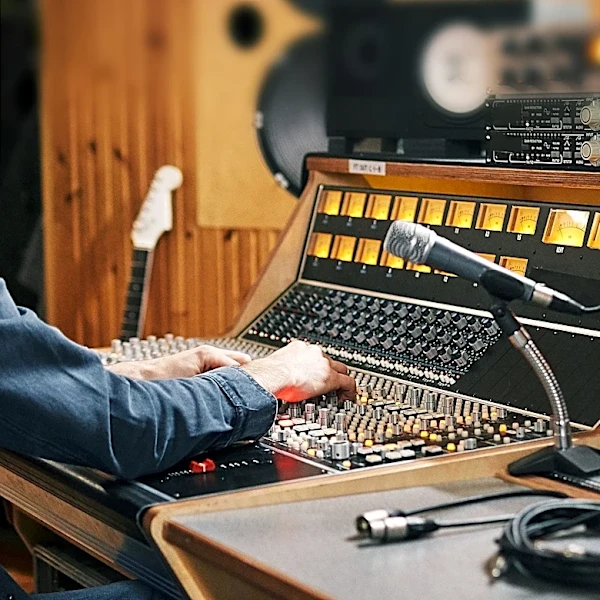
A Minneapolis-based collective known as the Kill Room Crew is aiming to bring back the energy and chemistry of old-school recording sessions. Inspired by legendary studio collectives like the Wrecking Crew and the Funk Brothers, the Kill Room Crew consists
of a rotating group of drummers, bassists, guitarists, keyboard players, vocalists, and other musicians. Unlike modern sessions that often rely on digital tools and individual tracking, this collective focuses on capturing live performances with all musicians in the room together. Artists send the crew a phone recording of their original song and lyrics, and the musicians learn the material beforehand, ready to play as a full group when the artist arrives. Producer Kevin Bowe and drummer Noah Levy initiated the idea, seeking to foster a more collaborative and organic recording environment. The crew recently hosted 13-year-old Wisconsin singer-songwriter Marlee Paine for her first professional recording session.
Why It's Important?
The Kill Room Crew's approach represents a significant counter-movement to the increasingly digital and fragmented nature of modern music production. By emphasizing live, in-room collaboration, they aim to preserve the authentic feel and spontaneous magic that can arise from musicians playing together. This method can be particularly impactful for emerging artists like Marlee Paine, providing them with a rich, professional recording experience that might otherwise be inaccessible. For the broader music industry, this collective highlights the enduring value of human interaction and chemistry in creating music, potentially influencing other studios and producers to reconsider their reliance on purely digital workflows. It also offers a unique opportunity for seasoned musicians, some of whom have worked with major artists like Prince and Ed Sheeran, to mentor and collaborate with the next generation, enriching the local music scene and fostering a sense of community.
What's Next?
The Kill Room Crew plans to continue offering its unique recording experience to more musicians across Minneapolis and beyond, seeking artists at any stage of their careers. Their success could inspire the formation of similar collectives in other cities, leading to a broader resurgence of live-ensemble recording techniques. As more artists experience the benefits of this collaborative approach, there may be a shift in industry preferences, with a renewed appreciation for the organic sound produced by musicians playing together in real-time. The collective's work with young talents like Marlee Paine could also pave the way for new artists to develop their sound in a more traditional, yet highly effective, studio environment.
Beyond the Headlines
The Kill Room Crew's initiative touches upon deeper themes concerning the evolution of artistic creation in the digital age. It challenges the notion that technological advancement always equates to artistic improvement, suggesting that some traditional methods offer irreplaceable value. This movement could foster a greater appreciation for the craft of musicianship and the intangible qualities that emerge from collective performance. Ethically, it promotes a more human-centric approach to music production, prioritizing collaboration and shared experience over isolated digital manipulation. Culturally, it helps preserve a legacy of recording artistry that might otherwise be lost, ensuring that future generations of musicians and listeners can experience the richness of live studio chemistry. It also underscores the importance of community and mentorship within creative industries.