




What's Happening?
Young Filipinos are increasingly embracing alternative music genres such as indie rock, pop-rock, punk, and shoegaze, moving beyond mainstream chart-toppers. This shift is largely facilitated by digital platforms like Spotify, YouTube, and TikTok, which
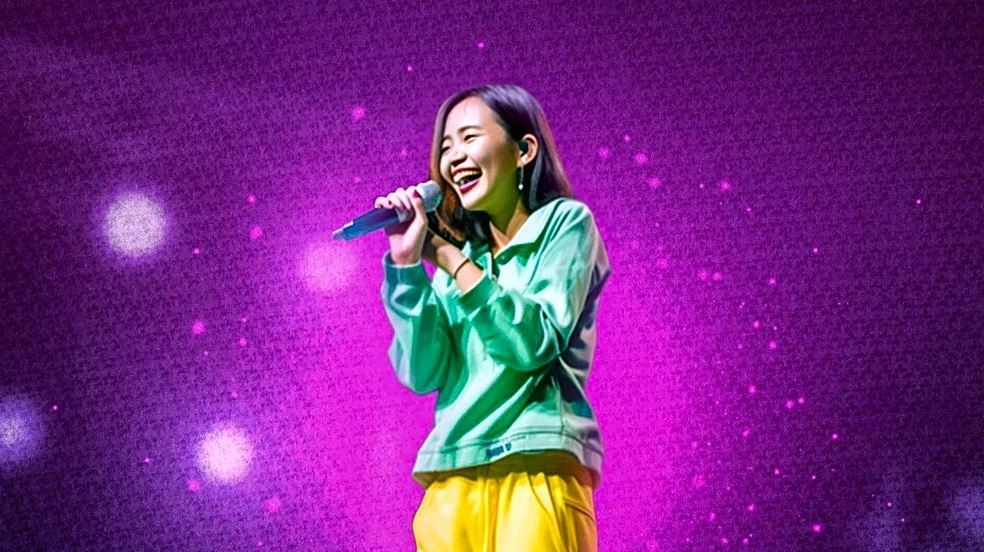
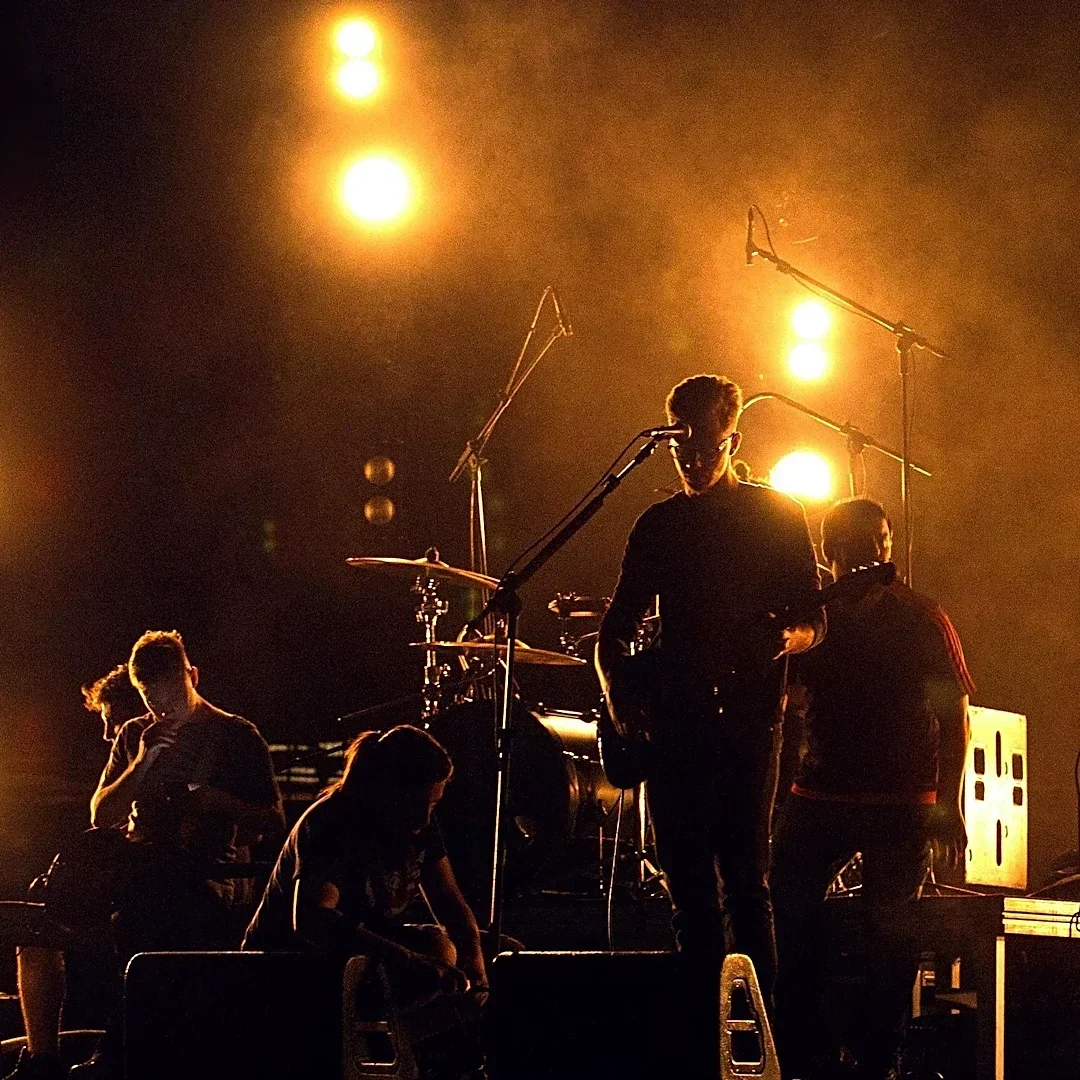
make niche sounds easily discoverable through recommendations and shared playlists. The COVID-19 pandemic further accelerated this trend, as artists and listeners turned to streaming and social media when live venues were closed. Filipino musicians are not merely imitating global influences but are reshaping these sounds with their own musical identities, incorporating Filipino languages, experiences, and stories. Artists like IV of Spades, One Click Straight, Cheeky Things, MATOKI, and Fitterkarma are expanding the scene, reflecting a constantly evolving and experimental approach to music. Listeners, such as 20-year-old Bellie Canlas, find personal connection and community in alternative music's emotional depth and willingness to explore difficult experiences.
Why It's Important?
The growing embrace of alternative music by young Filipinos, driven by digital platforms, signifies a significant cultural shift in how music is consumed and created globally. This trend highlights the power of technology to democratize music discovery, allowing independent artists to bypass traditional gatekeepers and reach wider audiences. For the U.S. music industry, this phenomenon illustrates the increasing fragmentation of global music markets and the rise of diverse, localized scenes that draw from and contribute to a global musical tapestry. It also underscores the importance of digital strategies for artists and labels seeking to connect with international audiences. The ability of Filipino artists to infuse global genres with local identity demonstrates a model for cultural exchange that enriches the global music landscape, potentially influencing U.S. artists and producers to explore similar cross-cultural fusions.
What's Next?
The continued expansion of digital platforms and their role in music discovery suggests that alternative music scenes in the Philippines and similar regions will likely continue to grow and diversify. Artists will face the ongoing challenge of balancing creative freedom and experimentation with the desire to reach a broader audience. The interplay between global influences and local identities will likely lead to further unique musical fusions. For listeners, the ease of access to diverse music will continue to shape personal identities and foster new communities based on shared musical tastes. The success of artists like IV of Spades on global streaming platforms indicates a potential for more Filipino alternative acts to gain international recognition, further integrating their unique sounds into the global music conversation.
Beyond the Headlines
The rise of alternative music among young Filipinos reveals deeper societal and psychological implications. The genre's appeal lies in its capacity to address complex emotions and experiences that mainstream music often avoids, providing an outlet for feelings of anxiety, alienation, and identity exploration. This reflects a broader cultural need for authenticity and emotional honesty in artistic expression, particularly among younger generations. The shift from traditional underground venues to digital 'Wi-Fi' connections for music discovery also highlights the evolving nature of subcultures and community formation in the digital age. This phenomenon suggests that while physical spaces for alternative scenes may change, the fundamental human need for connection through shared artistic tastes remains, adapting to new technological mediums and fostering a sense of belonging in an increasingly interconnected yet often isolating world.