





What's Happening?
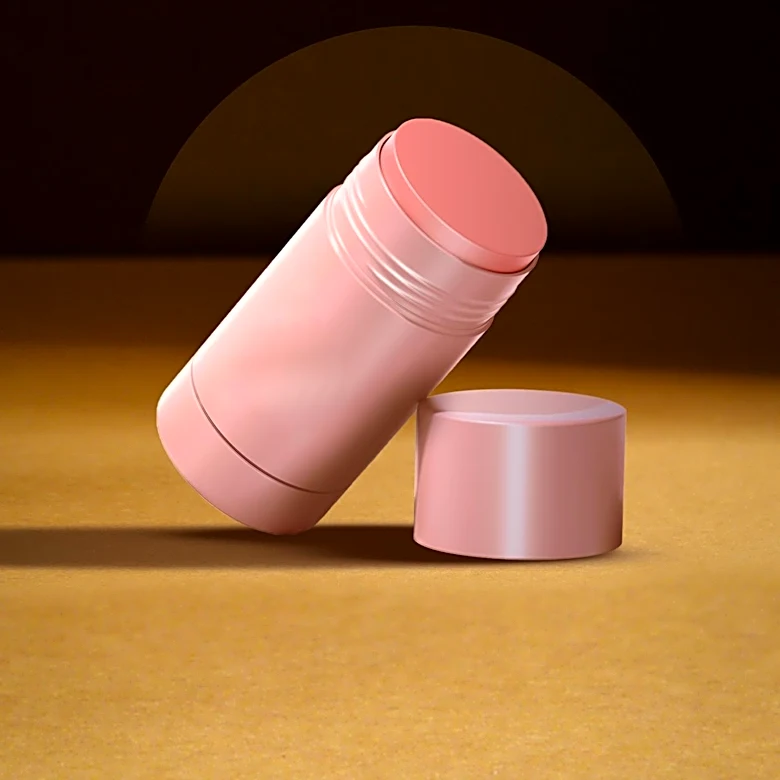
The market for facial sculpting and skin improvement tools is expanding with several new products designed to enhance facial aesthetics. Among these, the Facial Cupping Tool from kitskinkind utilizes gentle suction massage to lift, firm, and sculpt the skin,
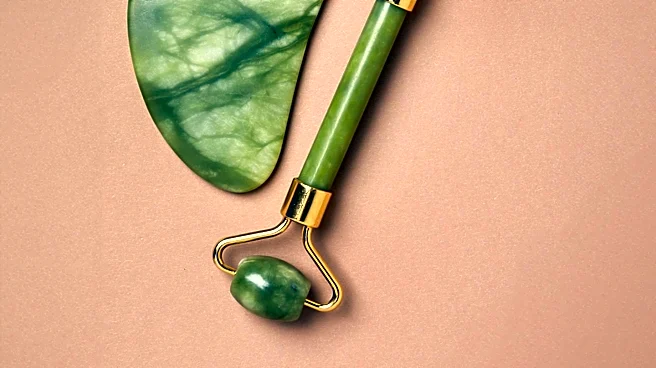
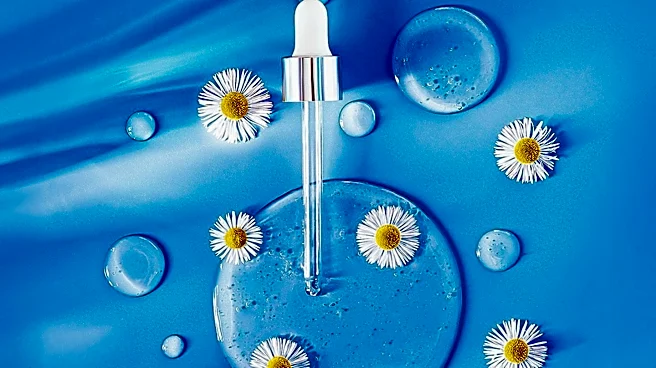
aiming to reduce puffiness and invigorate the complexion. Amazon offers a Face Lift Massage Brush specifically for jawline sculpting and double chin reduction, which also promotes lymphatic drainage, skin tightening, and circulation. Additionally, shopstation features the AKRAF Jade Roller & Gua Sha Set, a combination tool intended to reduce puffiness, improve circulation, and facilitate lymphatic drainage. Macy's introduces the Pursonic 7-in-1 Radiance Wand, which incorporates LED light therapy for face and neck sculpting. Dior Prestige also contributes to this trend with Le Pétale Multi-Perlé, a massage tool designed to be used with their La Micro-Huile de Rose Advanced Serum, providing a cooling and stimulating effect for sculpting.
Why It's Important?
The proliferation of these facial sculpting and skin improvement tools signifies a growing consumer interest in non-invasive cosmetic solutions within the U.S. beauty and wellness industry. This trend reflects a broader societal emphasis on personal care and anti-aging, driving innovation and competition among beauty brands. For consumers, these tools offer accessible alternatives to more intensive cosmetic procedures, potentially saving time and money while allowing for at-home treatments. The focus on lymphatic drainage, circulation, and skin tightening addresses common concerns related to aging and skin health, appealing to a wide demographic. The integration of technologies like LED light therapy in products such as the Pursonic 7-in-1 Radiance Wand also indicates a move towards more technologically advanced personal care devices, influencing product development and marketing strategies across the industry. This market expansion creates opportunities for businesses specializing in beauty tech and natural wellness products, while also raising the bar for product efficacy and safety standards.
What's Next?
The continued growth in the facial sculpting and skin improvement market is likely to lead to further innovation in product design and functionality. Consumers can expect to see more multi-functional devices that combine various technologies, such as microcurrent, LED, and massage, into single tools. There will also likely be an increased focus on scientific backing and clinical trials to substantiate product claims, as consumers become more discerning. Brands may invest more in educational content and tutorials to guide users on proper application techniques for optimal results. Furthermore, the integration of smart technology, such as app-connected devices that personalize treatment plans, could become more prevalent. Regulatory bodies might also increase scrutiny on the claims made by these products, potentially leading to stricter guidelines for marketing and product development in the beauty tech sector. The competitive landscape will likely intensify, with both established beauty giants and new startups vying for market share through product differentiation and targeted marketing campaigns.
Beyond the Headlines
The rise of facial sculpting tools extends beyond mere aesthetics, touching upon deeper cultural and psychological aspects of self-perception and well-being. This trend highlights a societal shift towards proactive self-care and a desire for control over one's appearance, often influenced by social media and beauty standards. The emphasis on 'natural' sculpting and non-invasive methods reflects a preference for subtle enhancements rather than drastic changes, aligning with a broader wellness movement. However, it also raises questions about the potential for unrealistic beauty expectations and the pressure to conform to certain ideals. The accessibility of these tools could democratize cosmetic enhancements, making them available to a wider audience, but also potentially increasing the psychological burden of maintaining a 'perfect' appearance. Ethically, the marketing of these products will need to balance aspirational messaging with realistic outcomes, ensuring consumers have informed expectations. The long-term impact on self-esteem and body image, particularly among younger demographics, warrants further consideration as these tools become more ubiquitous.