






What's Happening?
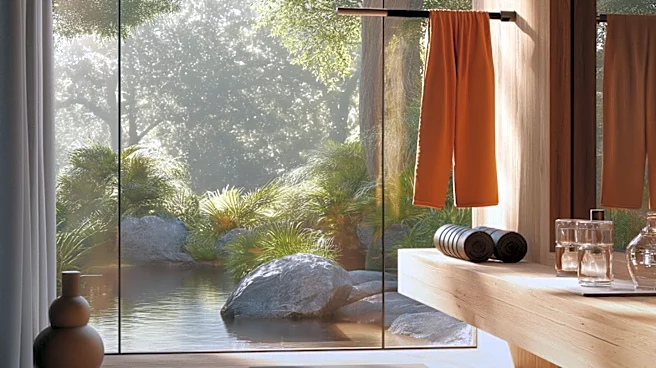
The article explores the significance of beauty in human environments, emphasizing its impact on well-being and mental health. It discusses historical and cultural examples of how beauty has been integrated into architecture and landscapes, such as the cathedrals
of Europe and the gardens of Babylon. The narrative highlights the transformation of harsh environments into aesthetically pleasing spaces, illustrating the intrinsic human need to create beauty. The piece also contrasts utilitarian designs with those that prioritize aesthetic appeal, arguing for the importance of beauty in everyday life.
Why It's Important?
The discussion on beauty underscores its essential role in enhancing quality of life and mental health. Beautiful environments have been shown to reduce stress, improve mood, and foster creativity. The article suggests that incorporating beauty into urban planning and architecture can lead to healthier, more vibrant communities. This perspective is particularly relevant in modern society, where industrial and utilitarian designs often dominate. By prioritizing beauty, individuals and communities can create spaces that not only serve functional purposes but also enrich human experiences.