


What's Happening?
BMW and MINI are among the few car brands that continue to offer convertible models in the U.S. market, despite a decline in consumer interest over the past two decades. BMW's 4 Series Convertible lineup includes models such as the 430i Convertible and the M440i
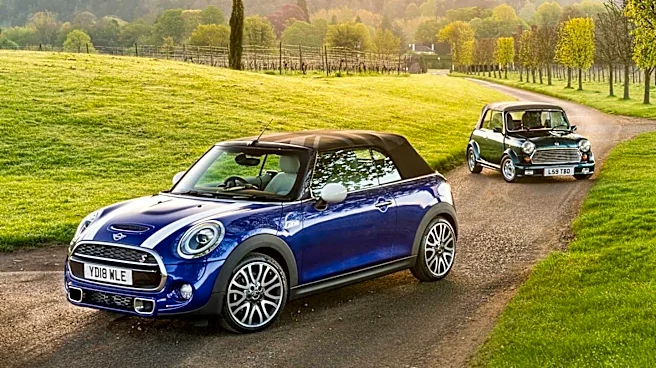
xDrive Convertible, with prices ranging from approximately $61,300 to $77,000. These models feature a turbocharged four-cylinder engine and a soft top that can be raised or lowered while driving at speeds up to 30 mph. MINI, known for its compact and agile vehicles, offers the MINI Cooper S Convertible, which combines retro styling with modern amenities like wireless Apple CarPlay and Android Auto. Convertibles now make up only about 0.6% of all new car sales in the U.S., a significant drop from 2% in the mid-2000s. The decline is attributed to the practicality and affordability of SUVs, which offer more cargo space and can handle winter weather conditions.
Why It's Important?
The continued production of convertibles by brands like BMW and MINI highlights a niche market that values the unique driving experience these vehicles offer. While the overall demand for convertibles has decreased, they remain popular in regions with favorable weather, such as California. The decline in convertible sales reflects broader trends in the automotive industry, where practicality and versatility are prioritized by consumers. This shift has led to the rise of SUVs, which offer features like panoramic sunroofs that mimic the open-air experience of convertibles. However, for enthusiasts, the sensory experience of driving a convertible—feeling the wind and hearing the engine—remains unmatched. The persistence of convertibles in the market underscores the diversity of consumer preferences and the importance of catering to different lifestyle choices.
What's Next?
As the automotive industry continues to evolve, manufacturers may need to innovate to keep convertibles appealing to a broader audience. This could involve integrating more advanced technology and improving fuel efficiency to align with consumer expectations. Additionally, as electric vehicles gain popularity, there may be opportunities to develop electric convertibles that offer both environmental benefits and the traditional open-air driving experience. The future of convertibles will likely depend on how well manufacturers can balance these innovations with the classic appeal that convertible enthusiasts cherish.