




What's Happening?
CrossFit is a high-intensity workout program centered on functional movements designed to enhance overall fitness and quality of life. It effectively combines weightlifting and high-intensity training to promote fat burning and muscle building. The program is highly
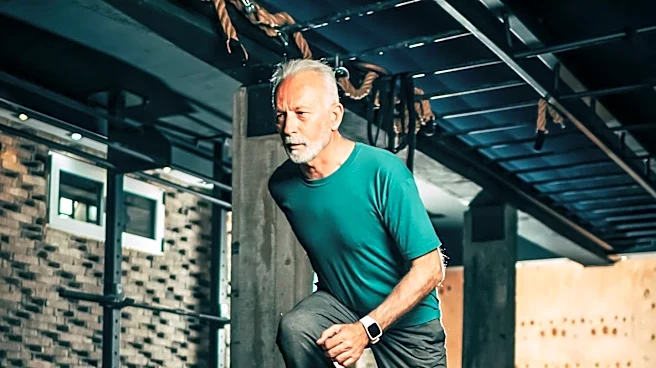
adaptable, catering to individuals across various age groups and fitness levels. Certified coaches provide personalized guidance to ensure that participants maintain proper technique and adjust loads appropriately, prioritizing safety and effectiveness. Many members report significant improvements in energy levels, sleep quality, and overall fitness within a few weeks to months of consistent training. CrossFit also fosters a strong sense of community among its participants, offering flexible membership options to accommodate diverse schedules. The workouts are typically an hour long, including a warm-up, the main workout, and a cool-down period. The program is suitable for a wide demographic, from teenagers to seniors, and can be modified to address various physical limitations.
Why It's Important?
The emphasis on functional movements in CrossFit is crucial for improving daily life activities and long-term physical independence, which has significant implications for public health in the U.S. As the population ages, maintaining functional fitness becomes increasingly vital to reduce healthcare burdens associated with age-related decline and chronic conditions. The program's adaptability makes it accessible to a broad audience, potentially encouraging more individuals to engage in regular physical activity, thereby combating sedentary lifestyles prevalent in modern society. The community aspect of CrossFit also plays a vital role, as social support and group motivation are key factors in adherence to exercise programs. This communal environment can help reduce feelings of isolation and promote mental well-being alongside physical health. For the fitness industry, CrossFit's model demonstrates the success of combining structured, high-intensity training with personalized coaching and a strong community, influencing trends in gym design and program offerings.
What's Next?
CrossFit is expected to continue its growth, with an ongoing focus on expanding its reach to diverse populations, including older adults and individuals with specific physical needs. The program will likely further refine its coaching methodologies to ensure safety and efficacy across all participant levels, potentially leading to more specialized certifications for coaches. There may be an increased integration of technology, such as fitness tracking and online community platforms, to enhance member engagement and progress monitoring. The emphasis on community building is also likely to evolve, with more local and regional events designed to foster camaraderie and provide competitive outlets. As the understanding of exercise science advances, CrossFit's programming may incorporate new research findings to optimize workout effectiveness and injury prevention, ensuring its continued relevance and appeal in the dynamic fitness landscape.
Beyond the Headlines
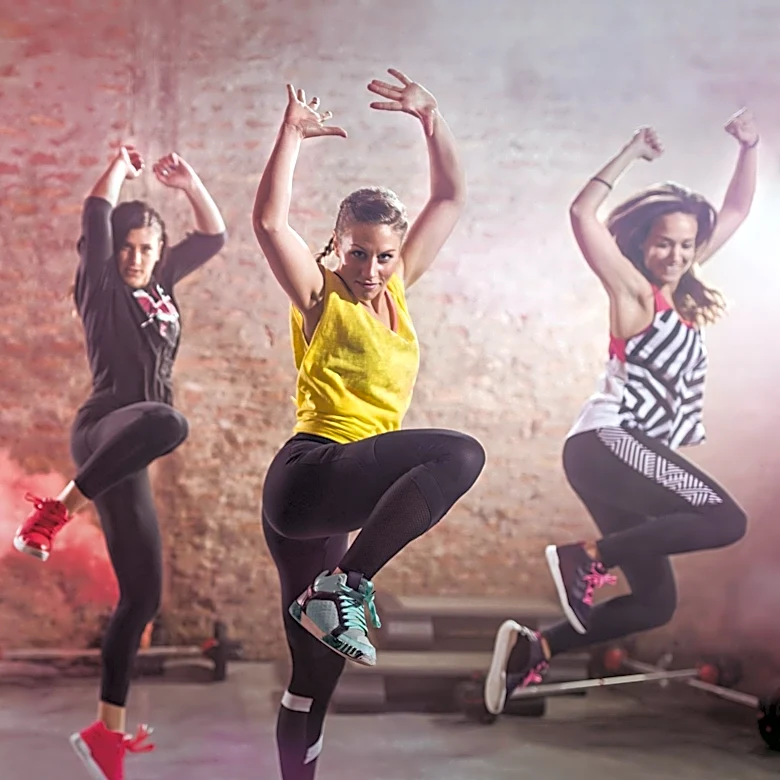
Beyond its immediate fitness benefits, CrossFit's model has broader societal implications, particularly in fostering resilience and mental fortitude. The challenging nature of the workouts, combined with the supportive community, encourages participants to push their perceived limits, building self-confidence and a 'can-do' attitude that can translate into other areas of life. This focus on overcoming physical and mental obstacles can be particularly empowering for women, who constitute about half of CrossFit members, as it promotes strength and capability beyond traditional gender stereotypes. The program's adaptability also highlights an ethical commitment to inclusivity, demonstrating that high-intensity training can be modified for almost anyone, challenging the notion that such workouts are only for elite athletes. This inclusive approach could inspire other fitness programs to adopt more flexible and personalized training methods, making physical activity more accessible and less intimidating for the general public.