


What's Happening?
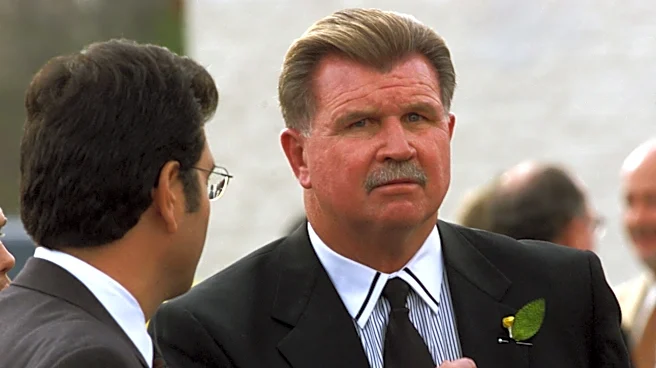
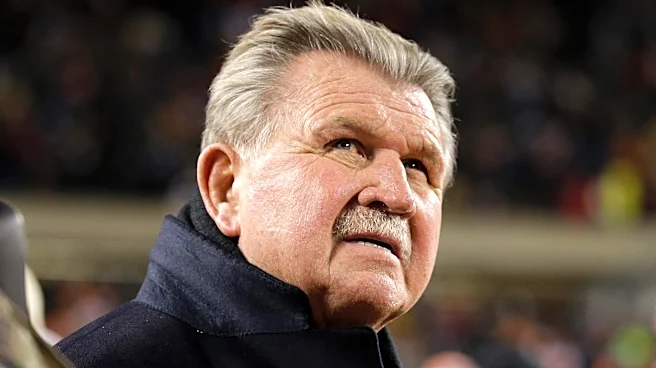
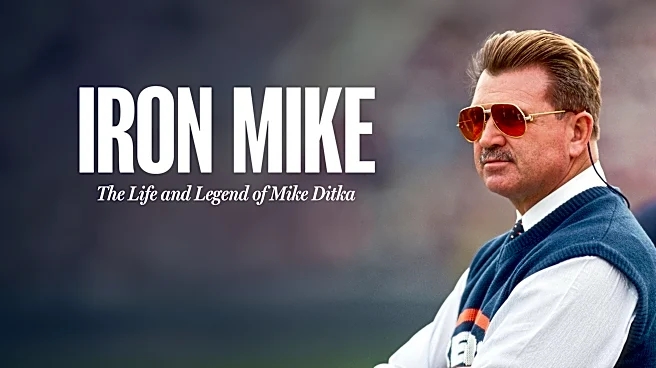
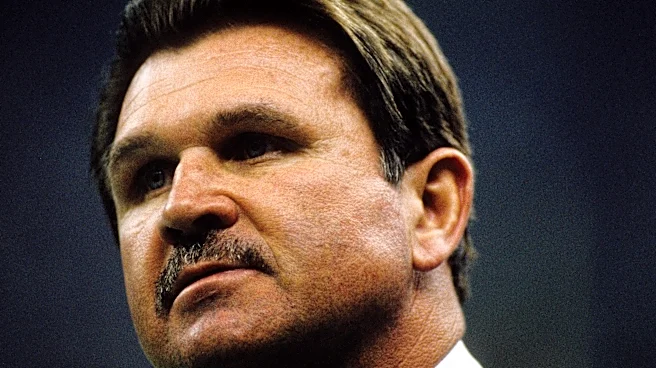
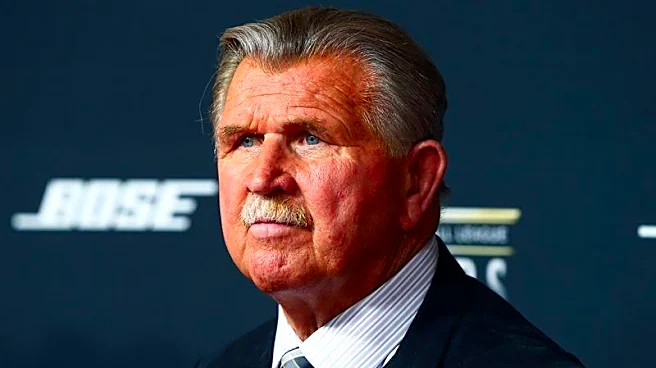
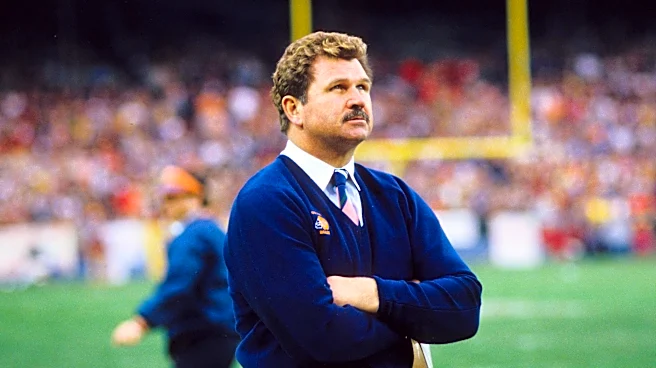
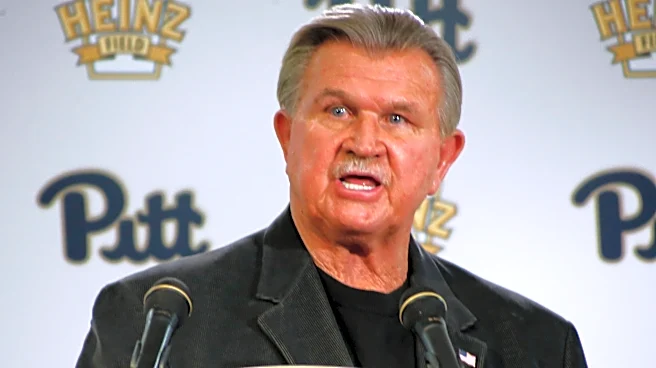
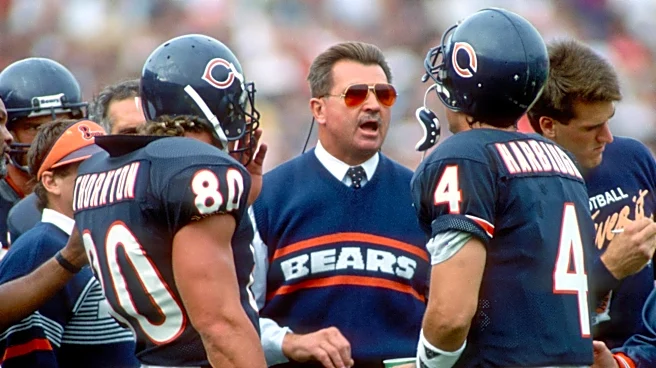
Mike Ditka, a prominent figure in American football who achieved NFL titles as both a player and a coach for the Chicago Bears, has passed away at the age of 86. His family announced his death on Friday, expressing profound sadness and highlighting his roles
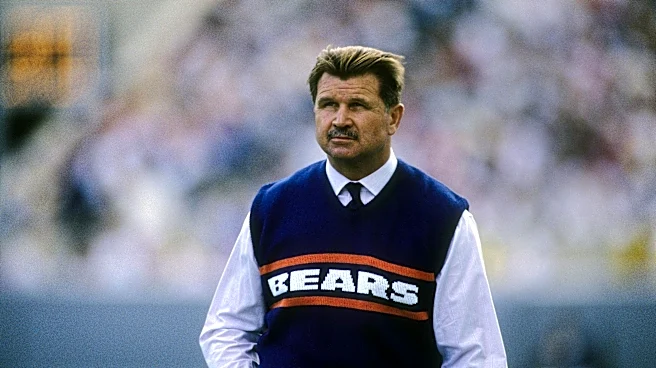
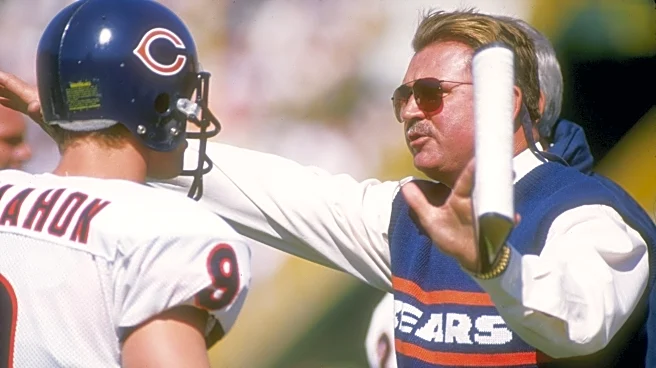
as a beloved husband, father, grandfather, and friend. The Chicago Bears organization also released a statement acknowledging Ditka's immeasurable impact over decades as a player, coach, and ambassador. Ditka, nicknamed 'Iron Mike' as a player, revolutionized the tight-end position and later led the 1985 Bears team to a Super Bowl XX championship. This team was renowned for its dominant defense and unique personalities, famously recording the 'Super Bowl Shuffle' rap video. After his coaching career, Ditka remained a public figure, becoming a restaurateur, pitchman, and TV personality, and advocated for improved medical and retirement benefits for former players. He was enshrined in both the College and Pro Football Halls of Fame, and his No. 89 jersey was the last to be retired by the Bears.
Why It's Important?
Mike Ditka's passing marks the end of an era for American football, particularly for the Chicago Bears and their fan base. His legacy extends beyond his on-field achievements, embodying a tough, gruff, and passionate persona that resonated deeply with the blue-collar spirit of Chicago. As 'Da Coach,' he not only brought a Super Bowl championship to the city but also instilled a sense of pride and identity that continues to influence the team's culture. His advocacy for former players' benefits highlights a critical issue within professional sports regarding the long-term well-being of athletes. Ditka's transition from sports to media and business also demonstrates the broader cultural impact athletes can have, shaping public discourse and contributing to various sectors. His influence on the tight end position fundamentally changed offensive strategies in the NFL, leaving a lasting tactical imprint on the game. The outpouring of tributes from current and former players, politicians, and fans underscores his significant cultural and sporting importance in the U.S.
What's Next?
The passing of Mike Ditka will likely lead to continued tributes and reflections on his profound impact on the Chicago Bears and the NFL. The team and the league are expected to honor his memory in various ways, potentially including ceremonies, special recognitions, or dedications. Current Chicago Bears Head Coach Ben Johnson has already expressed admiration for Ditka, calling him the 'gold standard' for the franchise, suggesting that Ditka's legacy will continue to inspire future generations of players and coaches. Discussions about his contributions to the game, particularly his role in revolutionizing the tight end position and his coaching philosophy, will likely resurface in sports media. Furthermore, his advocacy for player benefits may gain renewed attention, potentially influencing ongoing conversations about athlete welfare in professional sports. His status as a Chicago icon ensures that his memory will be preserved through various community and organizational efforts.
Beyond the Headlines
Beyond the immediate impact of his death, Mike Ditka's life story offers a deeper look into the evolution of professional sports and its intersection with American culture. His 'Iron Mike' persona, characterized by toughness and directness, became a cultural archetype, reflecting a certain ideal of masculinity and leadership in the U.S. His ability to transition from a celebrated athlete to a successful coach, and then to a media personality and businessman, illustrates the multifaceted careers possible for sports figures. Ditka's brief foray into political discussions, despite never running for office, also highlights the potential for sports icons to influence political discourse and public opinion. The enduring appeal of the 1985 Bears, often attributed to Ditka's leadership and the team's unique character, speaks to the power of sports to create shared cultural memories and foster community identity. His legacy underscores the complex relationship between sports, celebrity, and societal values in America.