






What's Happening?
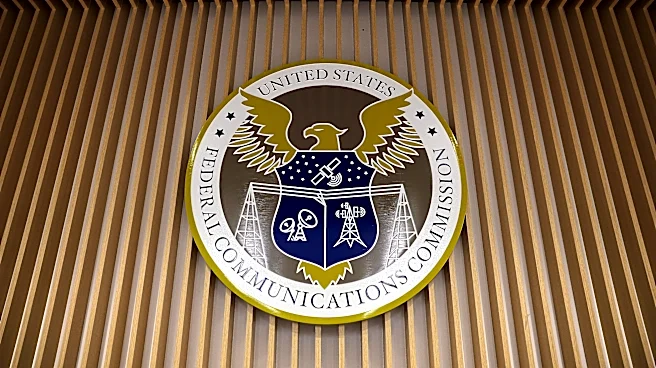
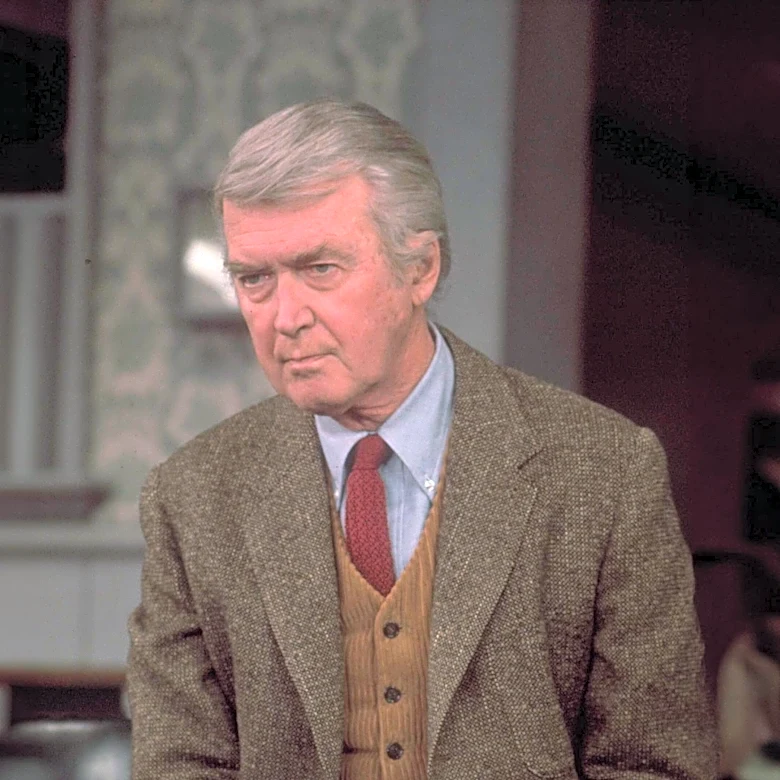
Burt Reynolds stars as a network president in the film 'Meet Wally Sparks.' In the movie, his character faces pressure from advertisers and the FCC due to the outrageous antics of the titular character, Wally Sparks. The network president ultimately delivers
an ultimatum to Wally, highlighting the conflict between entertainment value and regulatory compliance. The film, released in 1997, is a comedy with a runtime of 1 hour and 45 minutes, receiving an IMDb rating of 5.3/10.
Why It's Important?
This portrayal is important as it reflects the historical tension between creative freedom in media and the regulatory oversight exercised by bodies like the FCC. The film's premise, where a network president must address complaints from advertisers and regulators, mirrors real-world challenges faced by broadcasting companies. It underscores the commercial and legal pressures that can influence content decisions in the entertainment industry. The role of a network president, as depicted by Reynolds, illustrates the balancing act required to maintain profitability while adhering to public standards and governmental regulations. This dynamic impacts content creators, advertisers, and the viewing public, shaping the landscape of broadcast media.
What's Next?
While 'Meet Wally Sparks' is a past production, the themes it explores regarding media regulation and content control remain relevant. Future developments in media will likely continue to navigate the evolving relationship between content creators, network executives, advertisers, and regulatory bodies. As new platforms and forms of media emerge, the challenges of balancing creative expression with public and commercial expectations will persist, potentially leading to new regulatory frameworks or industry self-governance initiatives. The film serves as a historical snapshot of these ongoing discussions within the entertainment sector.
Beyond the Headlines
The film's narrative touches upon broader implications concerning censorship, artistic integrity, and corporate responsibility in media. The ultimatum given by Reynolds' character to Wally Sparks symbolizes the power dynamics at play when commercial interests and public perception clash with creative vision. This scenario can lead to self-censorship within media organizations or spark debates about the appropriate extent of regulatory intervention in artistic expression. The film implicitly raises questions about who ultimately dictates the boundaries of acceptable content and the potential impact on cultural discourse and audience engagement.