









What's Happening?
Dr. Kyla Lara-Breitinger, a cardiologist and coauthor of the 'Mayo Clinic Guide to a Healthy, Happy Heart,' has highlighted concerns about certain foods commonly perceived as healthy but which may pose risks to heart health. She emphasizes that foods like
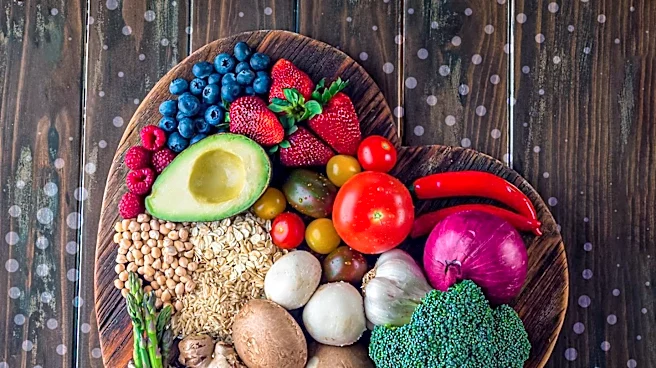
protein drinks, granola, and coconut oil, often marketed as beneficial, can contain hidden sugars, saturated fats, and additives that may contribute to heart issues. Protein drinks, for instance, are often heavily processed and can contain high levels of sugar or artificial sweeteners, which can disrupt gut health. Granola, while popular for its protein content, may lack heart-healthy fiber and include added sugars and fats. Coconut oil, frequently used in vegan and vegetarian diets, is high in saturated fat, potentially raising cholesterol levels. Dr. Lara-Breitinger advises focusing on whole foods, such as plant proteins, to maintain heart health.
Why It's Important?
This information is crucial as it challenges common perceptions about health foods, urging consumers to scrutinize their dietary choices more closely. The potential health risks associated with these foods could have significant implications for public health, particularly in the context of rising heart disease rates. By understanding the hidden ingredients in these foods, individuals can make more informed dietary decisions, potentially reducing their risk of heart-related health issues. This awareness is particularly important for those with existing heart conditions or high cholesterol, as it may influence their dietary habits and overall health outcomes.
What's Next?
Consumers may begin to reevaluate their dietary choices, potentially leading to a shift towards more whole foods and less processed options. This could also prompt food manufacturers to reconsider the ingredients used in health-marketed products, possibly leading to reformulations that prioritize heart health. Additionally, healthcare providers might increase their focus on dietary education, helping patients understand the impact of their food choices on heart health. As awareness grows, there could be a broader public health initiative aimed at reducing the consumption of processed foods high in sugars and saturated fats.
Beyond the Headlines
The discussion around these foods also touches on broader issues of food marketing and consumer education. The way foods are marketed can significantly influence consumer perceptions and choices, often leading to misconceptions about what constitutes a healthy diet. This highlights the need for clearer labeling and more transparent marketing practices. Furthermore, it underscores the importance of nutritional education in empowering consumers to make healthier choices, potentially leading to long-term shifts in dietary habits and public health outcomes.