




What's Happening?
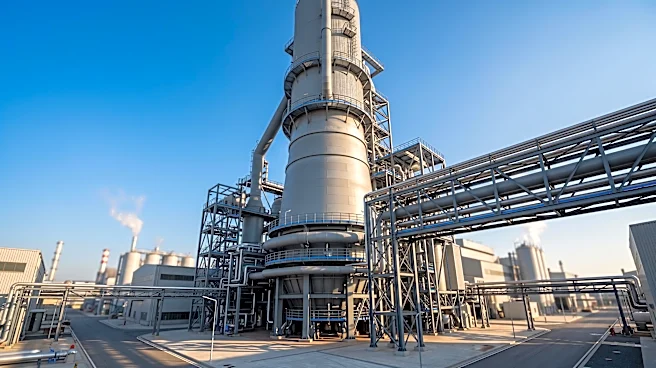
U.S. Steel has announced the completion of a $350 million reline of blast furnace #14 at its Gary Works facility in Indiana, the largest blast furnace in the company's operating footprint. The project, which took approximately 100 days and involved over
1 million labor hours from employees and contractors, aims to ensure the long-term ironmaking capabilities and continued production of high-quality American-made steel. U.S. Steel President and CEO David Burritt stated that this investment positions Gary Works to serve customers and support American manufacturing for years to come. Funding for the reline was partly sourced from a partnership with Japanese steelmaker Nippon Steel, which plans to invest billions in Gary Works over the coming years. However, the reline has drawn criticism from local environmental groups, such as Gary Advocates for Responsible Development (GARD) and Just Transition Northwest Indiana (JTNWI), who advocate for the adoption of greener technologies like direct reduction at the mill.
Why It's Important?
This investment by U.S. Steel in its Gary Works facility is significant for the U.S. steel industry, reinforcing the company's commitment to traditional steelmaking methods and maintaining its competitive edge. The reline ensures continued production capacity for over 2 million tons of hot metal annually, supporting various sectors including automotive. However, the controversy surrounding the reline highlights a critical tension between economic development, job preservation, and environmental sustainability. Local activist groups argue that investing in blast furnaces, which they consider obsolete and highly polluting, is a missed opportunity to transition to cleaner technologies like direct reduction, which is being adopted by other steelmakers globally. This debate reflects broader national discussions about industrial modernization, climate change, and the health impacts on communities living near heavy industries. The decision to reline rather than transition to greener alternatives has long-term implications for environmental quality and the future of steel production in the U.S.
What's Next?
Following the completion of the blast furnace reline, Gary Works will continue its operations, producing steel for various industries. U.S. Steel's partnership with Nippon Steel indicates further capital investments in the facility, with billions planned over the next few years. However, environmental advocacy groups like GARD and JTNWI are expected to continue their push for the adoption of direct reduction technology at Gary Works. They will likely pressure U.S. Steel and Nippon Steel to allocate future investments towards greener steelmaking processes, arguing for both environmental benefits and long-term competitiveness. The ongoing dialogue between industry, environmental groups, and local communities will shape future policy and investment decisions regarding industrial facilities in the region. The debate over traditional versus green steel technologies will remain a key issue, influencing the trajectory of the U.S. steel industry's environmental footprint.
Beyond the Headlines
The reline of blast furnace #14 at Gary Works delves into the complex interplay of economic necessity, technological evolution, and environmental justice. While U.S. Steel emphasizes job security and continued production, environmental groups highlight the disproportionate impact of pollution on local communities, particularly in areas like Gary, Indiana. This situation exemplifies the broader challenge of transitioning legacy industries towards sustainable practices without jeopardizing existing jobs and economic stability. The argument for direct reduction technology, which uses natural gas as a reducing agent and is considered cleaner, represents a vision for a more sustainable industrial future. However, the significant capital investment and operational changes required for such a transition pose substantial hurdles. This case underscores the ethical responsibility of corporations to balance profit with planetary and community well-being, and the ongoing struggle for environmental equity in industrial regions across the U.S.