





What's Happening?
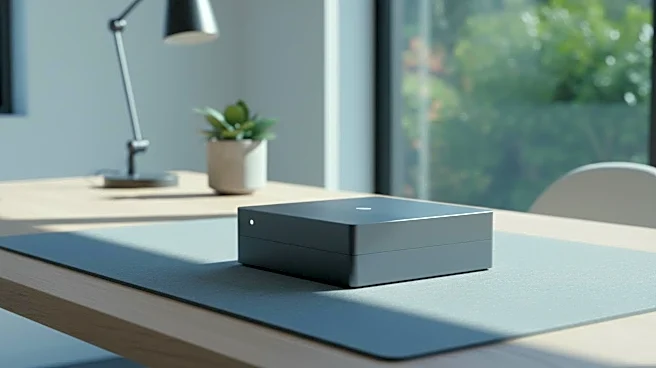
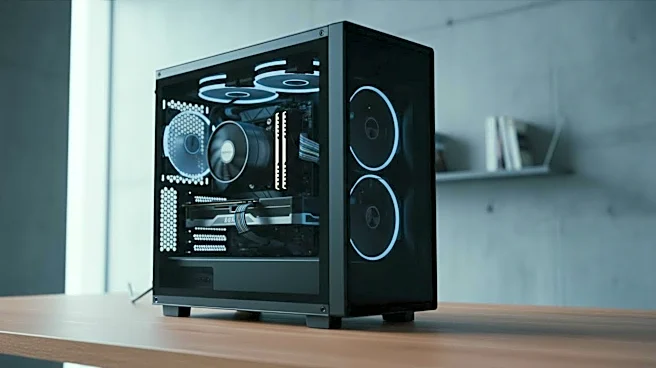
A new guide outlines how to build a more powerful and cost-effective alternative to Valve's Steam Machine, a compact gaming system known for its performance and sleek design. The DIY version, while not as compact, offers greater upgradeability and ease
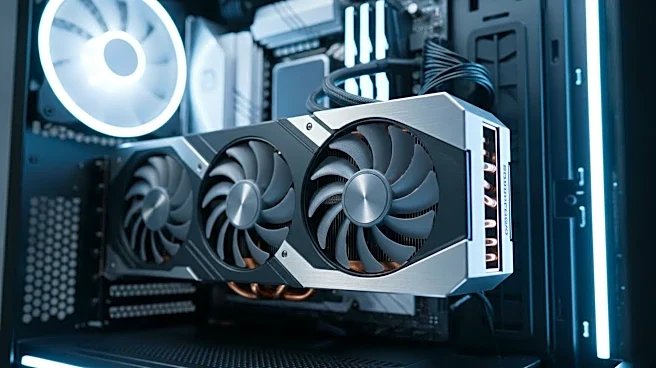
of maintenance. The build focuses on using a Micro-ATX system, which is smaller than a standard desktop but avoids the high costs and maintenance issues of Mini-ITX systems. Key components include an AMD Ryzen 5 7600X CPU, ASRock B650M-HDV motherboard, and ASRock Radeon RX 7600 graphics card. The total cost of the build is approximately $991, which is $58 less than the Steam Machine, providing a budget-friendly option for gamers.
Why It's Important?
This development is significant as it provides gamers with a more affordable entry point into PC gaming, especially in a market where high-performance gaming systems can be prohibitively expensive. The DIY Steam Machine not only saves money but also offers flexibility for future upgrades, making it a sustainable choice for gamers who want to keep up with technological advancements without replacing their entire system. This approach democratizes access to gaming technology, allowing more individuals to participate in the gaming community without significant financial barriers.
What's Next?
As technology continues to evolve, the components used in this DIY Steam Machine may become even more affordable, further lowering the entry barrier for gamers. Additionally, as more users adopt this DIY approach, there could be a rise in community-driven innovations and optimizations, potentially leading to even more efficient and cost-effective gaming solutions. Retailers and manufacturers might also respond by offering more customizable and affordable component options to cater to this growing market segment.
Beyond the Headlines
The trend towards DIY gaming systems reflects a broader cultural shift towards customization and personalization in technology. This movement empowers consumers to tailor their devices to their specific needs and preferences, fostering a sense of ownership and creativity. Moreover, it highlights the importance of open-source software and hardware compatibility, as seen with the use of SteamOS, which supports a wide range of components and encourages innovation within the gaming community.