







What's Happening?
Cleveland Public Power (CPP), the city-owned electric utility, has proposed a plan to restructure and increase electric rates over the next three years. The proposed legislation, introduced to the City Council in September, would implement new rates starting
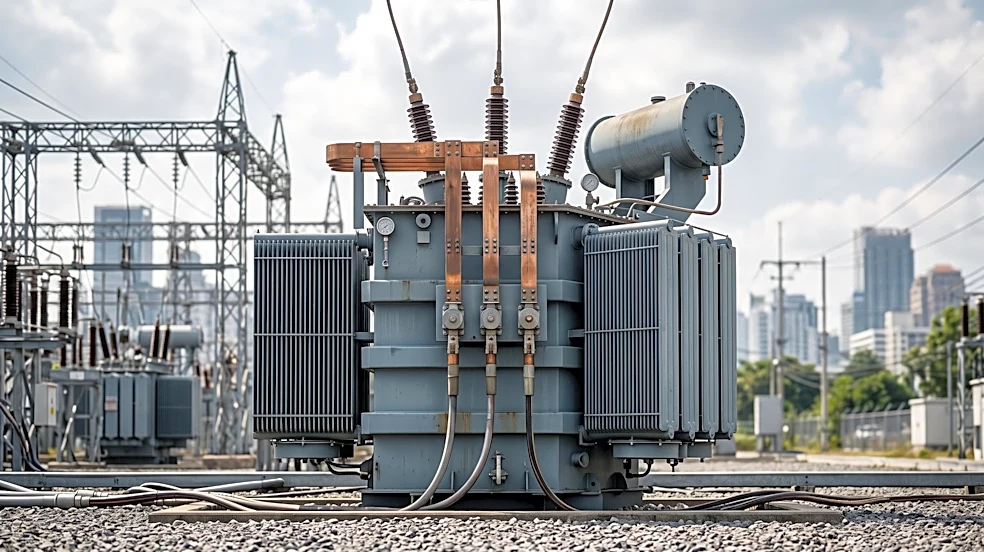
next year, with further increases in 2028 and 2029. The new structure for residential customers would include a flat monthly fee in addition to a tiered rate system based on electricity consumption. Currently, there are two tiers; the new plan would introduce three tiers, with higher rates for increased usage. While CPP has not specified the exact cost impact on typical customers, initial estimates suggest winter bills might rise by approximately $1, and summer bills, when power usage is higher, could increase by $7 to $8. CPP Commissioner Ammon Danielson previously indicated that upgrades are needed for the utility's infrastructure, and these costs are ultimately borne by ratepayers.
Why It's Important?
This proposed rate increase by Cleveland Public Power is significant for residents and businesses in Cleveland, particularly given Mayor Justin Bibb's recent acknowledgment of a "cost-of-living crisis" in the city. As a publicly-owned, not-for-profit utility, CPP relies on customer revenue to cover operational costs, maintain infrastructure, and meet community needs. The restructuring and rate hikes are intended to fund necessary upgrades and ensure the utility's financial stability. However, these increases could place an additional financial burden on households and businesses, potentially impacting their disposable income and operating expenses. The tiered rate system could also incentivize energy conservation among higher-usage customers, but it might disproportionately affect larger households or those with less energy-efficient homes. The City Council's decision on this legislation will directly influence the affordability of essential services and the economic well-being of Cleveland's community.
What's Next?
The proposed electric rate legislation is currently awaiting approval from the Cleveland City Council. The council's deliberations will likely involve reviewing the financial justifications for the rate increases, assessing the potential impact on residents, and considering alternative funding or efficiency measures. Public hearings or community feedback sessions may be held to gather input from ratepayers. If approved, the new rates would take effect next year, with subsequent increases in 2028 and 2029. The outcome of this decision will determine the future cost of electricity for Cleveland residents and the financial capacity of Cleveland Public Power to invest in its infrastructure. The City Council's decision will also reflect its approach to balancing utility financial health with consumer affordability in the context of broader economic challenges.
Beyond the Headlines
The proposed rate changes by Cleveland Public Power highlight the broader challenges faced by municipal utilities in maintaining aging infrastructure and adapting to evolving energy demands. As cities strive for sustainability and resilience, investments in modernizing power grids become crucial. However, funding these improvements often translates into higher costs for consumers, creating a delicate balance between necessary infrastructure development and economic equity. This situation also underscores the importance of transparent utility governance and effective communication with the public about the rationale behind rate adjustments. The tiered rate structure, while potentially encouraging conservation, also raises questions about energy poverty and ensuring access to affordable electricity for all residents. The decision in Cleveland could serve as a case study for other cities grappling with similar issues, demonstrating how local governments navigate the complexities of utility management, infrastructure investment, and community impact.