


What's Happening?
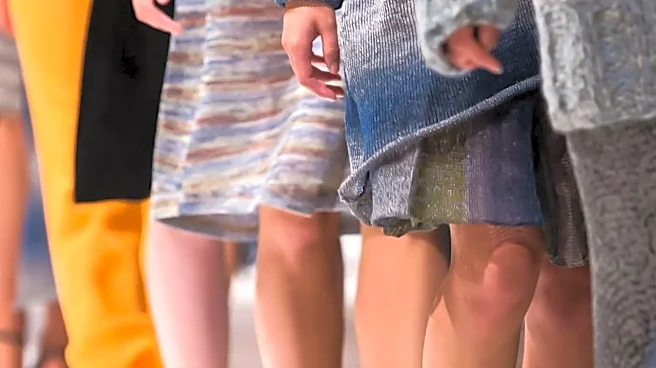
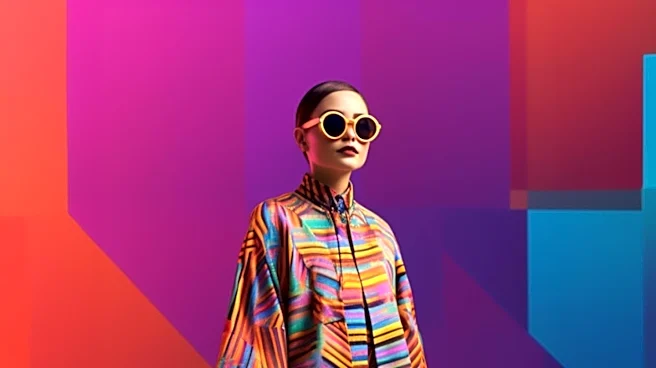
The fashion industry is increasingly embracing genderless styles, with designers and celebrities leading the charge towards more inclusive clothing options. This trend is highlighted by the growing availability of unisex pieces such as French cotton tees,
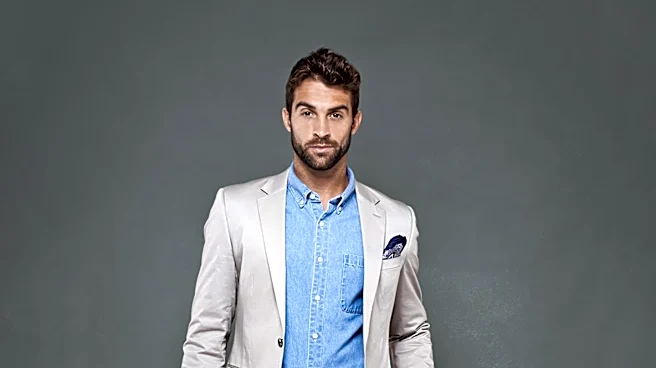
Levi’s, and oversized knitwear. The rise of petite men in fashion, exemplified by figures like Timothée Chalamet, underscores a shift in the industry's approach to gender-neutral styles. Historically, menswear has been designed around a tall, broad, and traditionally masculine silhouette. However, a new generation of men, including Chalamet and Troye Sivan, are redefining masculinity by embracing their smaller frames. Despite this shift, the fashion industry has been slow to fully embrace petite men, though recent trends suggest a positive change.
Why It's Important?
The shift towards genderless fashion and the inclusion of petite men in the fashion narrative reflect broader societal changes towards inclusivity and diversity. This trend challenges traditional gender norms and expands the market for fashion brands, allowing them to cater to a wider audience. The acceptance of diverse body types in fashion can lead to increased consumer satisfaction and brand loyalty. Additionally, as high-profile figures like Chalamet and Sivan gain influence, they inspire others to embrace their unique styles, potentially leading to a more diverse representation in media and advertising.
What's Next?
As luxury designers continue to embrace slimmer proportions and gender-neutral styles, it is likely that high-street brands will follow suit. This could result in a wider availability of inclusive sizing and styles in mainstream fashion. The ongoing dialogue about body diversity and gender inclusivity in fashion may also encourage more brands to adopt ethical and sustainable practices, further transforming the industry. The influence of fashion icons like Chalamet and Sivan may continue to drive these changes, encouraging more designers to cater to diverse body types and gender expressions.