


What's Happening?
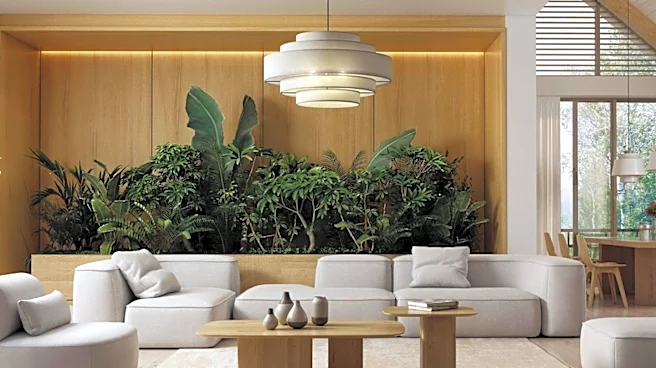
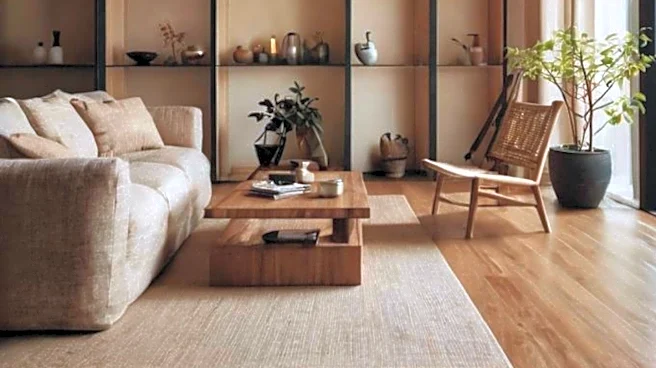
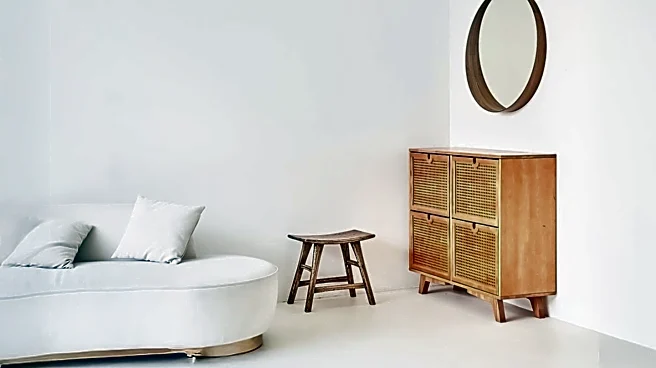
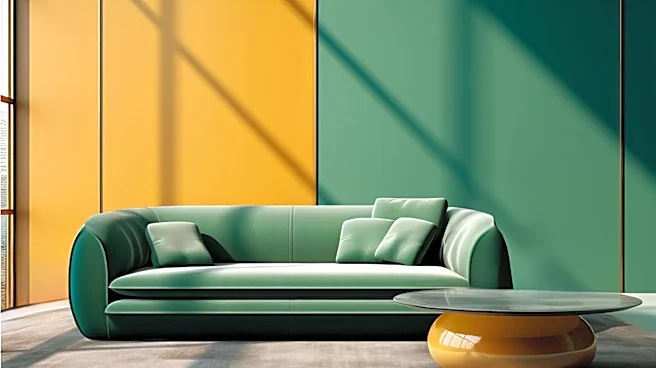
Japandi is an emerging interior design style that fuses Japanese and Scandinavian aesthetics, creating spaces characterized by simplicity, natural materials, and warm, muted tones. This style emphasizes calm, minimalist environments, often featuring low-profile
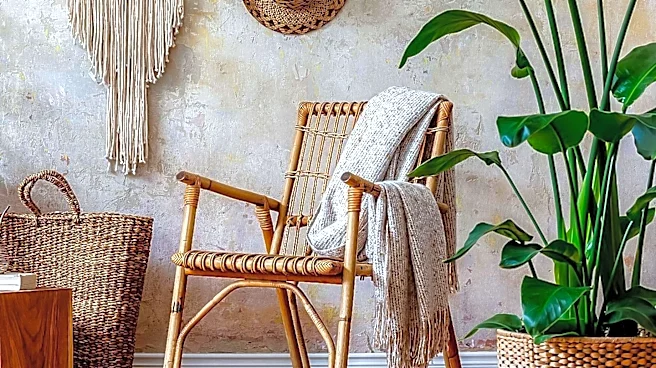
furniture crafted from dark woods. Handmade pieces, particularly those with Japanese influences, are integral to the Japandi look. The color palette typically includes warm whites, oatmeal, sand, greige, and clay, with charcoal or black used as contrasting accents. Lighting in Japandi interiors is designed to be soft and diffused, often utilizing paper, pleated, or fabric shades to eliminate glare and harsh shadows. This approach ensures a serene and inviting atmosphere that feels lived-in and warm without appearing cluttered or overly sparse. The style avoids glossy finishes, bright colors, and excessive patterns, instead focusing on texture and natural elements to create depth and interest. Key materials include light oak and ash paired with walnut or smoked oak, bamboo, rattan, cane, paper, linen, cotton, wool, bouclé, matte unglazed stoneware, honed stone, microcement, and limewash paint.
Why It's Important?
The rise of the Japandi design style reflects a broader cultural shift towards mindfulness, sustainability, and a desire for tranquil living spaces in the United States. As consumers increasingly seek to reduce clutter and create more harmonious home environments, Japandi offers a compelling aesthetic that combines the functional simplicity of Scandinavian design with the refined elegance of Japanese minimalism. This trend impacts the U.S. home furnishings and interior design industries, influencing product development, retail offerings, and design consultations. Manufacturers and retailers are likely to see increased demand for furniture made from natural woods, minimalist decor items, and textiles in muted, earthy tones. For consumers, adopting Japandi can lead to more organized and calming homes, potentially reducing stress and promoting well-being. The emphasis on natural materials also aligns with growing environmental consciousness, encouraging the use of sustainable and ethically sourced products. This design philosophy offers a counterpoint to more opulent or maximalist trends, appealing to those who value understated sophistication and a connection to nature.
What's Next?
As the Japandi style gains further traction, it is expected to influence various sectors of the U.S. home and lifestyle market. Interior designers will likely incorporate more Japandi elements into their projects, leading to a wider availability of relevant furniture, lighting, and decor. Retailers specializing in home goods may expand their collections to feature more Japandi-inspired pieces, such as low-slung wooden furniture, ceramic tableware, and natural fiber textiles. We may also see an increase in DIY and home improvement content focused on achieving the Japandi aesthetic, empowering consumers to integrate these principles into their own spaces. Architectural trends could also be affected, with a greater emphasis on open-plan layouts, natural light, and the integration of indoor and outdoor spaces. Furthermore, the style's focus on craftsmanship and natural materials could boost demand for artisanal products and local makers, fostering a more sustainable and community-oriented approach to home decor. The continued popularity of Japandi will likely solidify its position as a significant and enduring design trend in the U.S. market.
Beyond the Headlines
Beyond its aesthetic appeal, the Japandi design style embodies deeper philosophical implications that resonate with contemporary American values. It promotes a lifestyle of intentionality and appreciation for simplicity, encouraging individuals to curate their possessions thoughtfully and invest in quality over quantity. This aligns with movements like decluttering and conscious consumption, which advocate for a more mindful approach to material goods. Ethically, the emphasis on natural and often handmade materials can support sustainable practices and traditional craftsmanship, potentially fostering a greater connection between consumers and the origins of their products. Culturally, Japandi represents a harmonious blend of Eastern and Western design philosophies, suggesting a growing openness to cross-cultural influences in American homes. It offers a sanctuary from the fast-paced, digital world, providing spaces that encourage calm, reflection, and a return to fundamental elements of comfort and beauty. This design trend is not just about aesthetics; it's about creating environments that support a more balanced and purposeful way of living.