







What's Happening?
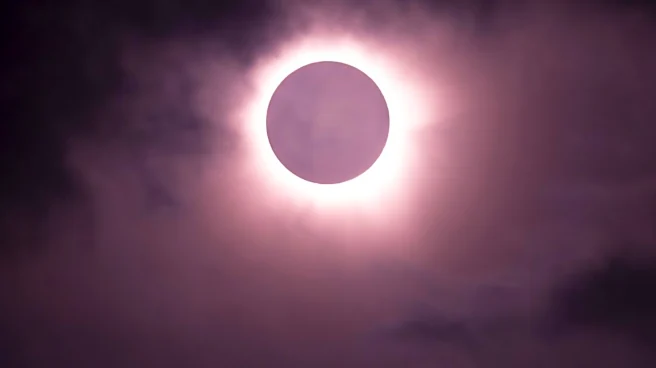
Reykjavík, the capital of Iceland, is gearing up for a total solar eclipse on August 12, which will be visible from several locations across the country, including the Reykjanes Peninsula, Snæfellsnes, and part of the Westfjords. The eclipse is part of a path
of totality that will also cross Greenland, northern Spain, and a small corner of Portugal. As the date approaches, there has been a significant increase in travel interest to Reykjavík, with searches for flights and accommodations rising sharply. Despite many hotels and cruises being sold out, there are still some available options for last-minute travelers. Travel experts suggest considering lesser-known destinations and rural guesthouses to avoid the high demand in major cities.
Why It's Important?
The total solar eclipse presents a unique opportunity for tourism in Iceland, potentially boosting the local economy as visitors flock to the region to witness the celestial event. The influx of tourists can benefit local businesses, including hotels, restaurants, and tour operators. However, the high demand for accommodations and travel services may also lead to increased prices, impacting affordability for some travelers. Additionally, the event highlights the importance of strategic planning and infrastructure readiness to accommodate the surge in visitors, ensuring a smooth experience for both tourists and locals.
What's Next?
As the eclipse date nears, travelers are advised to finalize their plans quickly due to the rising demand for accommodations and flights. Local authorities and businesses are likely to implement measures to manage the increased tourist traffic, such as enhancing transportation services and providing information on optimal viewing locations. The event may also prompt discussions on sustainable tourism practices to balance economic benefits with environmental and community impacts.