





What's Happening?
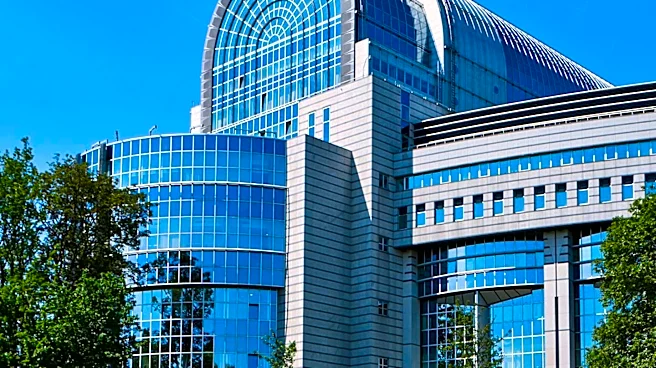
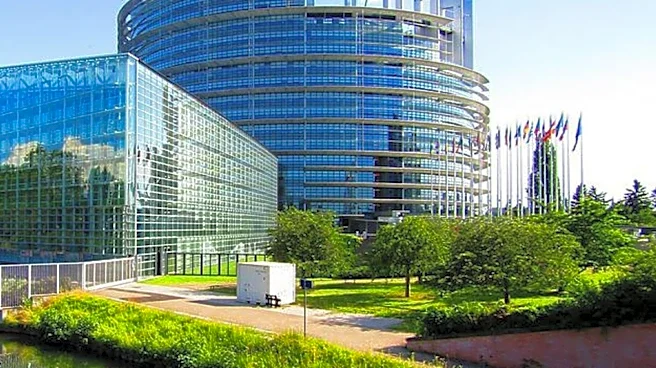
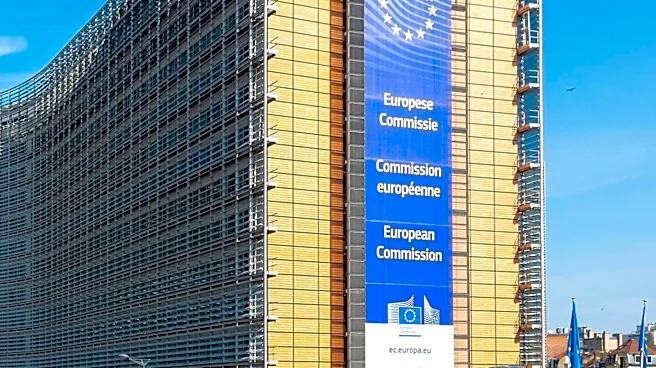
The European Parliament’s Committee on the Environment has supported the introduction of a dedicated low-carbon steel credit under the EU CO2 emission standards for cars and vans. This decision was welcomed by the European Steel Association (EUROFER),
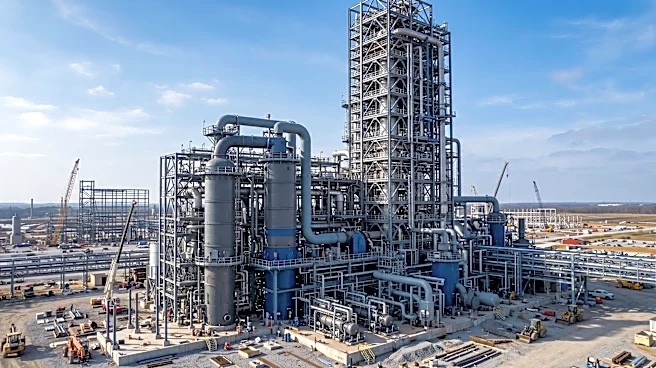
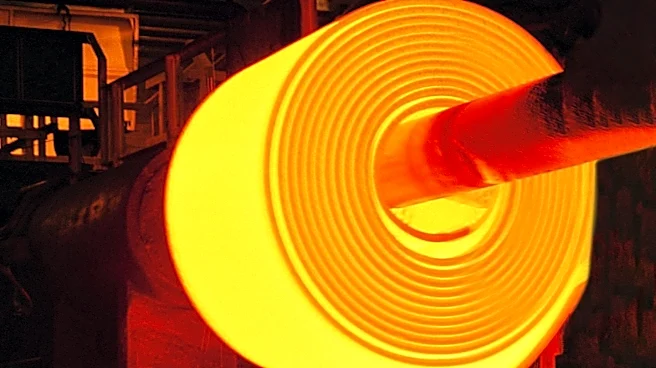
which highlighted that European steelmakers are already investing billions of euros in decarbonization efforts, with approximately 60 projects underway or planned to produce up to 30 million tonnes of green steel. The committee's backing aims to provide a clear market signal and predictable demand necessary to support these large-scale investments. The low-carbon steel credit is intended to encourage carmakers to utilize environmentally friendly materials, thereby creating stable demand for green steel, supporting industrial production, preserving quality jobs, and attracting additional investment within Europe.
Why It's Important?
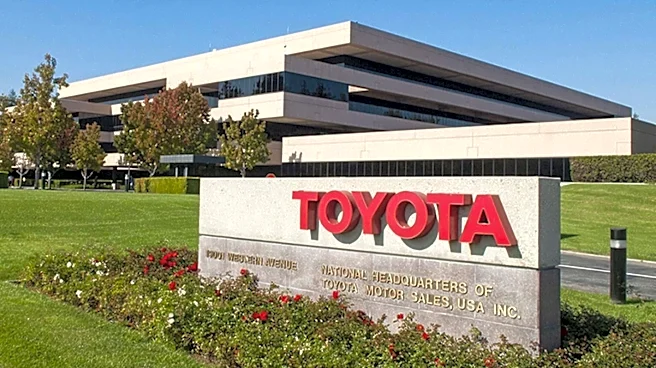
This move by the European Parliament committee has significant implications for the U.S. steel and automotive industries. While directly impacting EU regulations, it sets a precedent for integrating environmental sustainability with industrial policy, a trend that could influence global trade and manufacturing standards. U.S. steel producers and automotive manufacturers may face pressure to adopt similar low-carbon practices to remain competitive in international markets or to meet the evolving demands of global supply chains. The incentive for using EU-produced green steel could create a competitive advantage for European companies, potentially affecting U.S. exports of steel or automotive components to the EU. This policy also underscores the growing importance of 'green' credentials in international commerce and industrial strategy, prompting U.S. industries to consider their own decarbonization pathways to maintain market access and competitiveness.
What's Next?
The committee's recommendation will now proceed through the European Parliament's legislative process. If adopted, the low-carbon steel credit will become a formal part of the EU's CO2 emission standards for vehicles. This would likely lead to increased demand for green steel within the EU automotive sector, driving further investment in decarbonization technologies by European steelmakers. The European Steel Association anticipates that this will strengthen two strategic EU industries—steel and automotive—while simultaneously reducing emissions. The long-term impact could include a shift in global steel production methods and automotive supply chains, as manufacturers worldwide adapt to new environmental standards and market incentives. The policy could also spur innovation in green steel production and its application in various industries.
Beyond the Headlines
The decision to incentivize green steel within the automotive industry represents a deeper strategic effort by the EU to foster a circular economy and achieve climate neutrality. It highlights the interconnectedness of industrial policy, environmental protection, and economic competitiveness. By creating a dedicated credit, the EU is not only pushing for emissions reductions but also aiming to secure its industrial base and create high-quality jobs in green sectors. This approach could lead to a 'green premium' for products made with sustainable materials, influencing consumer choices and corporate strategies globally. For the U.S., this development signals the increasing importance of sustainable manufacturing practices and the potential for trade barriers or opportunities based on environmental performance. It also raises questions about the role of government incentives in driving industrial transformation and achieving climate goals.