




What's Happening?
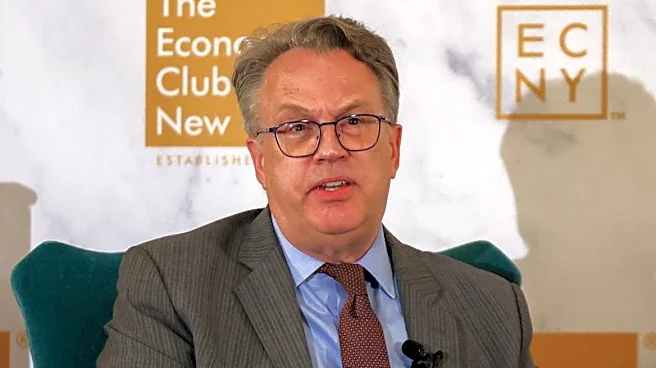
Federal Reserve Vice Chair Philip Jefferson has announced significant reforms to the central bank's discount window, a last-resort lending facility. These changes are designed to enhance bank liquidity and strengthen broader financial stability, particularly
within the U.S. Treasury market. Speaking at the Federal Reserve Bank of New York's annual U.S. Treasury Market Conference, Jefferson highlighted that the Treasury market is crucial for pricing risk across all asset classes and for efficient capital allocation. The reforms stem from lessons learned during the 2023 banking crises, where Silicon Valley Bank and Signature Bank faced difficulties accessing emergency lending. Although those banks' failures were not solely due to discount window issues, the events exposed shortcomings in the facility's operations and banks' engagement with it. The reforms include standardizing operations across all 12 Federal Reserve banks, implementing technological updates, and fostering greater collaboration with Federal Home Loan Banks (FHLBs). These efforts aim to reduce friction for banks seeking liquidity and reinforce confidence in the banking system.
Why It's Important?
The reforms to the Federal Reserve's discount window are critically important for maintaining the stability and resilience of the U.S. financial system. The U.S. Treasury market serves as the bedrock for global financial markets, influencing pricing for all asset classes and facilitating capital allocation. By ensuring that banks can readily access liquidity through the discount window, the Fed is creating a robust backstop that can prevent widespread financial contagion during periods of stress. This is particularly vital given recent volatility in the Treasury market, with 10-year note yields reaching their highest levels since the global financial crisis. The ability for banks to quickly and efficiently pledge Treasury collateral and receive same-day loans through the discount window can avert a 'firesale' of U.S. sovereign debt, which would have severe repercussions for the economy. The enhanced coordination with FHLBs is also key, as these entities are major providers of day-to-day liquidity, and a seamless transfer of collateral between the two systems is essential for rapid response to liquidity needs. Ultimately, these reforms aim to instill greater confidence in the banking system and protect the foundational stability of the U.S. economy.
What's Next?
The Federal Reserve's ongoing efforts to refine its discount window practices will continue, with a particular focus on further collaboration with Federal Home Loan Banks regarding pledgable collateral. Vice Chair Jefferson emphasized that while significant progress has been made, the work is not yet complete. Future steps will likely involve continuous monitoring of the discount window's effectiveness in real-world scenarios and adapting policies as financial conditions evolve. The Fed will also likely continue to solicit feedback from banks and financial institutions to ensure the facility remains responsive to their needs. The goal is to ensure that the discount window remains a reliable and accessible source of liquidity, thereby strengthening the overall resilience of the U.S. financial system and its ability to withstand future economic shocks. The success of these reforms will be measured by their ability to prevent liquidity crises and maintain stability in the Treasury market, especially during times of heightened stress.
Beyond the Headlines
Beyond the immediate financial implications, the Federal Reserve's discount window reforms highlight a deeper shift in how central banks approach financial stability in an increasingly interconnected and volatile global economy. The emphasis on standardizing operations and leveraging technology, such as the digital Discount Window Direct, reflects a recognition that traditional, often cumbersome, processes can exacerbate crises. The reforms also underscore the psychological dimension of central banking; by making the discount window more accessible and less stigmatized, the Fed aims to encourage its use by healthy banks, thereby preventing liquidity issues from escalating into broader systemic risks. This proactive approach to liquidity management, coupled with enhanced inter-agency coordination, suggests a more integrated and adaptive regulatory framework. The long-term impact could be a more resilient financial infrastructure that is better equipped to absorb shocks, fostering greater confidence among investors and the public in the stability of the U.S. financial system.