





What's Happening?
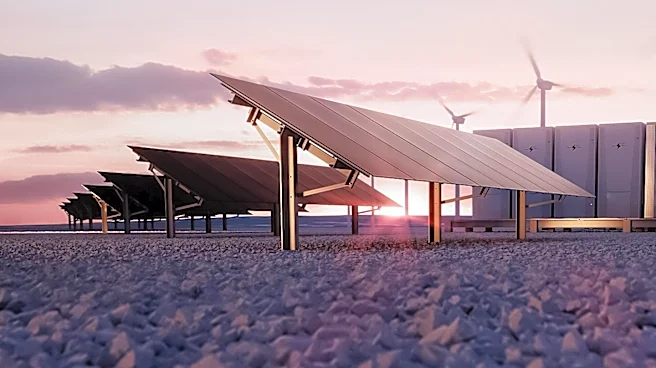
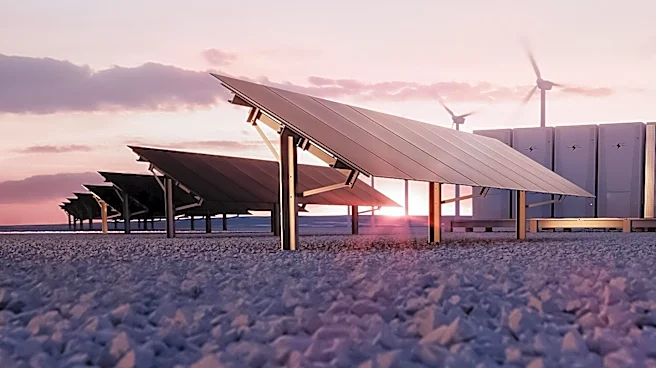
DTE Energy is initiating a pilot program to utilize nearly 100 home batteries to manage peak power demand. This initiative aims to explore a more cost-effective method for handling high electricity usage periods. The program follows similar successful
implementations in other regions. In California, PG&E has integrated 21,000 home devices into a virtual power plant to alleviate peak demand. Vermont saw 5,500 leased home batteries become the state's largest power source. Additionally, Sunrun and Tesla leveraged California home batteries during a heatwave, supplying a record 580 megawatts to the grid. California Powerwall owners collectively contributed 601 megawatts, a capacity comparable to a utility power plant. In the UK, battery owners participating in virtual power plants have reported earning over £150 in export income. These examples highlight the growing trend and potential of distributed energy resources in grid management.
Why It's Important?
This pilot program by DTE Energy is significant as it represents a strategic shift towards decentralized energy solutions for grid stability. By tapping into home battery networks, utilities can potentially reduce the need for expensive infrastructure upgrades or the activation of less efficient peaker plants during high-demand periods. This approach offers a dual benefit: it provides a more sustainable and environmentally friendly way to meet energy needs, and it can empower consumers by allowing them to participate in the energy market and potentially earn income. The success of such programs could lead to widespread adoption across the U.S., transforming how utilities manage their grids and how consumers interact with their energy providers. It also underscores the increasing role of renewable energy and storage technologies in ensuring a reliable power supply, especially as climate change leads to more frequent extreme weather events that strain traditional energy systems.
What's Next?
The DTE Energy pilot program will likely involve monitoring the performance of the home battery network in real-time, assessing its effectiveness in reducing peak load, and evaluating the economic benefits for both the utility and participating homeowners. Data collected from this pilot will be crucial in determining the scalability and long-term viability of such virtual power plants. If successful, DTE Energy could expand the program, potentially integrating thousands more homes into its network. Other utilities across the U.S. will be closely watching the outcomes, as successful models could accelerate the adoption of similar distributed energy resource programs nationwide. This could also spur further innovation in home energy storage technologies and smart grid management systems, leading to a more resilient and efficient national energy infrastructure.
Beyond the Headlines
The move by DTE Energy reflects a broader trend towards a more democratized and resilient energy grid. By integrating residential energy storage, the power grid becomes less centralized and more distributed, potentially making it less vulnerable to large-scale outages caused by natural disasters or cyberattacks. This shift also raises questions about data privacy and cybersecurity, as more household devices become interconnected with the grid. Furthermore, it could foster a new economic model where homeowners are not just consumers but active participants in energy generation and distribution, potentially leading to new revenue streams and greater energy independence. The ethical implications of incentivizing energy consumption patterns and ensuring equitable access to these technologies for all socioeconomic groups will also become increasingly important considerations as these programs expand.