




What's Happening?
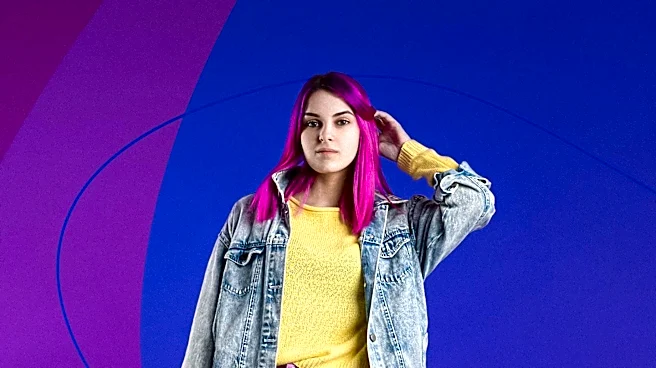
The Y2K aesthetic, characterized by elements like low-rise jeans, flip phones, and butterfly motifs, has been a dominant force in fashion, entertainment, and advertising. This revival is particularly popular among Gen Z, who approach these trends with
a distinct awareness. The influence extends to pop culture from the late 1990s and early 2000s, such as 'Mean Girls' and 'Gilmore Girls.' However, the 'nostalgia economy' is evolving, with the 2010s now beginning to emerge as a new source of nostalgic reference. This shift is evident in the increasing cultural significance of properties from that decade, including 'The Hunger Games,' 'Adventure Time,' and 'Frozen.' Character licensing is also adapting, as properties once aimed at children are now being leveraged to appeal to adult audiences due to their nostalgic value, mirroring the trajectory of '80s, '90s, and early 2000s characters.
Why It's Important?
This trend signifies a continuous cycle in consumer culture where past eras are re-evaluated and re-marketed, impacting various U.S. industries. For the fashion industry, it dictates design trends and product lines, influencing sales and marketing strategies. In entertainment, it drives reboots, revivals, and the consumption of older media. Advertisers and brands are particularly affected, as they can tap into established emotional connections consumers have with nostalgic characters and aesthetics. This allows for more effective marketing campaigns by leveraging pre-existing affection and recognition. The shift towards 2010s nostalgia indicates a need for businesses to anticipate and adapt to these evolving generational preferences, ensuring their marketing and product development remain relevant to younger adult consumers who are now entering their prime spending years.
What's Next?
The continued evolution of the nostalgia economy suggests that brands and advertisers will increasingly look to properties and aesthetics from the 2010s for their campaigns. This could lead to a surge in reboots, merchandise, and marketing initiatives featuring characters and themes from that decade. Companies involved in character licensing will likely focus on identifying properties with strong emotional connections that haven't yet been extensively used for nostalgic marketing. The challenge will be to integrate these nostalgic elements authentically into current campaigns, ensuring they resonate with adult consumers who grew up with these properties. This trend also implies a continuous need for market research to understand which past eras and cultural touchstones will next capture the public's nostalgic interest, influencing future product development and advertising strategies.
Beyond the Headlines
The phenomenon of the nostalgia economy highlights a deeper cultural aspect of how generations connect with their past. It reflects a desire for comfort and familiarity in a rapidly changing world, with consumers finding solace in the cultural artifacts of their youth. This trend also underscores the power of intellectual property and character licensing, demonstrating how childhood entertainment can mature into valuable marketing tools. Ethically, it raises questions about the commodification of personal memories and whether brands are genuinely connecting with consumers or simply exploiting sentimental attachments. The continuous cycle of nostalgia also suggests a potential for a lack of innovation if industries become too reliant on past successes, potentially stifling the creation of new cultural touchstones for future generations.