







What's Happening?
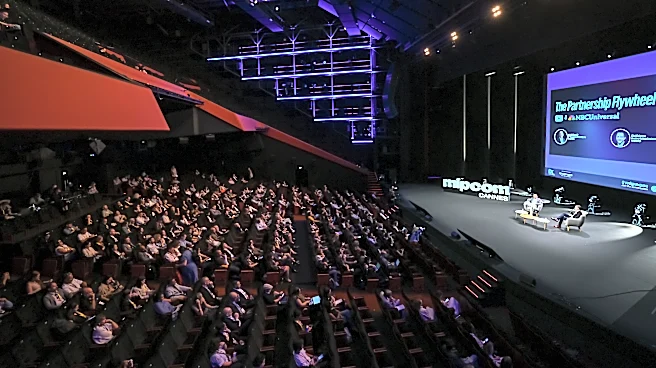
The American Film Market (AFM) is introducing a new Global Screen Economy Summit on its opening day, which will focus on a proposed federal production tax incentive. The summit is part of an expanded lineup of over 45 sessions and will also explore the
creator economy, new intellectual property (IP) sources, and the evolving studio system. The AFM event, which runs from November 10-15, will take place at the Fairmont Century Plaza in Los Angeles. The kickoff session on November 10, titled 'The New Federal Production Incentive: A Turning Point for U.S. Production,' will feature speakers including Steven Paul, chairman-CEO of SP Media Group; Scott Karol, president of SP Media Group; and Josh Rogin, SVP of Federal Affairs for the MPA.
Why It's Important?
This new summit is highly significant for the U.S. film and television industry. A federal production tax incentive could substantially impact domestic film and TV production, potentially attracting more projects to the U.S. and creating jobs within the sector. This initiative aims to make the U.S. more competitive globally, as many other countries offer similar incentives. The discussions on the creator economy and new IP sources reflect the industry's ongoing adaptation to digital platforms and evolving consumption habits, which are crucial for future growth and sustainability. The evolving studio system indicates a shift in how content is developed, financed, and distributed, affecting major studios, independent producers, and streaming services alike. The outcome of these discussions could influence policy decisions and investment trends across the entertainment landscape.
What's Next?
The discussions at the AFM's Global Screen Economy Summit are expected to generate momentum for the proposed federal production tax incentive. Following the event, industry stakeholders, including production companies, studios, and advocacy groups, will likely continue to lobby for its implementation. The insights gained from the sessions on the creator economy and new IP sources could lead to new business models and investment strategies within the film and television sectors. Additionally, the AFM will feature AFM House, a new addition with four days of conversations, presentations, and live demos of emerging technologies, including the North American debut of the Cinemas Club. This will bring together industry leaders to explore the future of theatrical exhibition and moviegoing, indicating a focus on adapting to changing audience preferences and technological advancements.
Beyond the Headlines
Beyond the immediate economic and policy implications, the focus on a federal production incentive and the evolving screen economy touches upon broader cultural and technological shifts. A robust domestic production industry not only creates jobs but also fosters cultural storytelling and national identity through film and television. The emphasis on new IP sources and the creator economy highlights a democratization of content creation, where individual creators and smaller entities can gain prominence alongside traditional studios. This shift could lead to a more diverse range of stories and voices reaching audiences. Furthermore, the exploration of emerging technologies and the future of theatrical exhibition underscores the industry's continuous struggle to balance traditional viewing experiences with the rise of digital platforms, impacting how audiences consume content and how the art of filmmaking evolves.