



What's Happening?
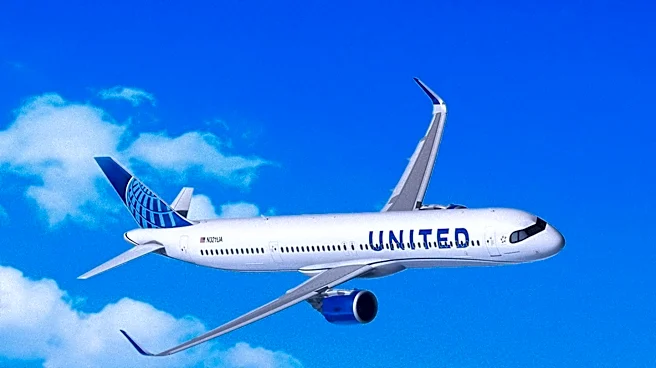
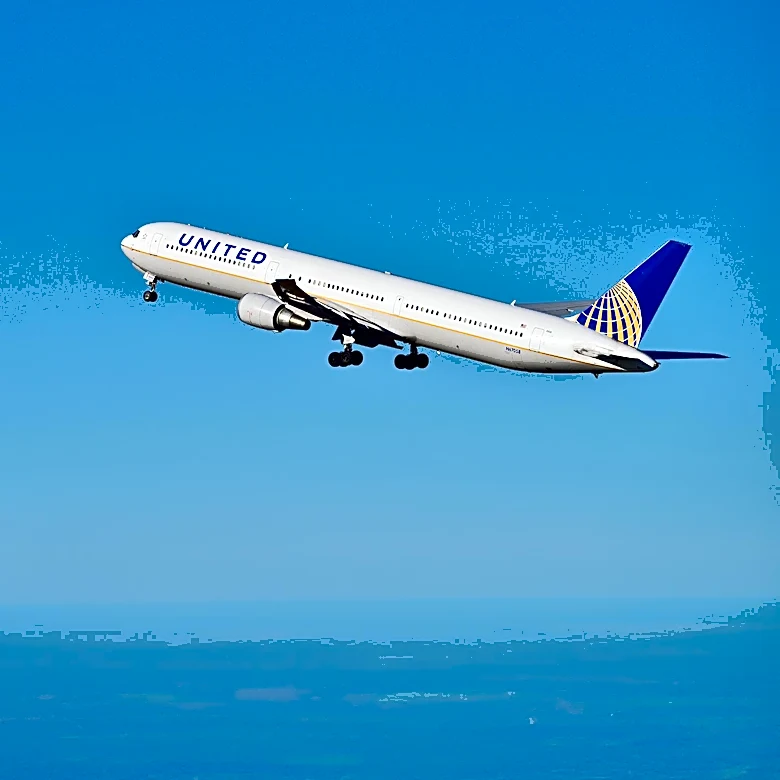
United Airlines CEO Scott Kirby has publicly defended the airline's practice of charging passengers extra to select preferred seats, including those to avoid a middle seat. In an interview, Kirby argued that this pricing strategy allows the airline to cater
to individual customer preferences, where those who desire a window or aisle seat, or a better seat overall, should pay for that choice. While a specific $70 fee was mentioned as an example by an interviewer, United's seat prices vary based on factors such as flight, fare type, seat location, and traveler status. This policy is part of a broader industry trend where airlines unbundle fare features, charging separately for amenities like seat selection, carry-on luggage, and advance seat assignments. Basic Economy tickets, in particular, often require payment for advance seat selection or result in an assigned middle seat at check-in.
Why It's Important?
This pricing strategy has significant implications for U.S. travelers, particularly those without elite status. It can substantially increase the overall cost of air travel, especially for families or groups, as seat selection fees can accumulate rapidly. For example, a family of four paying $70 per person per segment could add $560 to a roundtrip fare just to avoid middle seats. This approach creates a clear divide between frequent flyers with elite status, who often receive complimentary access to better seats, and occasional travelers who face higher costs. While United argues it offers flexibility, critics contend it penalizes budget-conscious passengers and makes air travel less accessible. The practice reflects a broader industry shift towards maximizing ancillary revenue, impacting consumer expectations and potentially influencing booking behaviors as travelers compare total costs across airlines.
What's Next?
Travelers on United Airlines will continue to encounter varying seat selection fees, particularly when booking Basic Economy fares. To mitigate these costs, passengers are advised to compare the total price of a Standard Economy fare (which typically includes free standard seat selection) against a Basic Economy fare plus potential seat fees. Additionally, checking the seat map at the 24-hour check-in window for Standard Economy tickets might reveal free preferred seats. The airline industry is likely to continue this unbundling trend, as it has proven to be a significant revenue generator. Consumer advocacy groups and regulatory bodies may continue to scrutinize these practices, but widespread changes are unlikely without significant public pressure or legislative action. Travelers will need to remain vigilant and informed about these fees when planning their trips.
Beyond the Headlines
The debate over seat selection fees extends beyond mere pricing; it touches on the perceived value and fairness of air travel. By commoditizing seat choice, airlines are effectively segmenting their customer base, offering a more 'premium' experience to those willing to pay extra, while potentially diminishing the experience for others. This raises ethical questions about whether essential aspects of comfort and convenience should be subject to additional charges. Culturally, it reflects a shift in consumer expectations, where once-standard amenities are now optional add-ons. The long-term impact could be a further stratification of the flying experience, where the 'basic' offering becomes increasingly austere, pushing more passengers towards higher-priced options for a comfortable journey. This trend could also influence how other service industries approach pricing and customer segmentation.