


What's Happening?
Fashion designer Sandy Liang has released her first book, "Dressing Up: Sandy Liang," a 276-page monograph published by Rizzoli New York. The book chronicles the evolution of her brand since its inception in 2014. Liang undertook the project after realizing
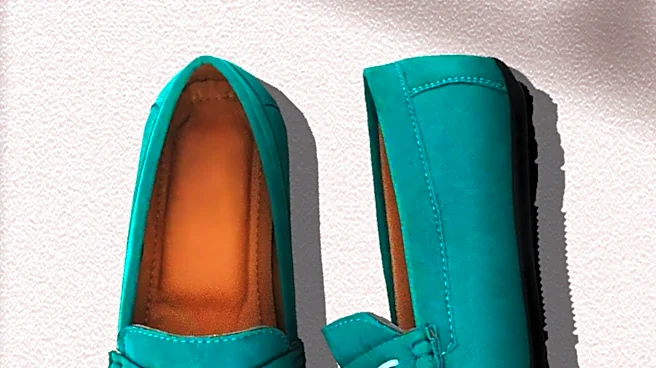
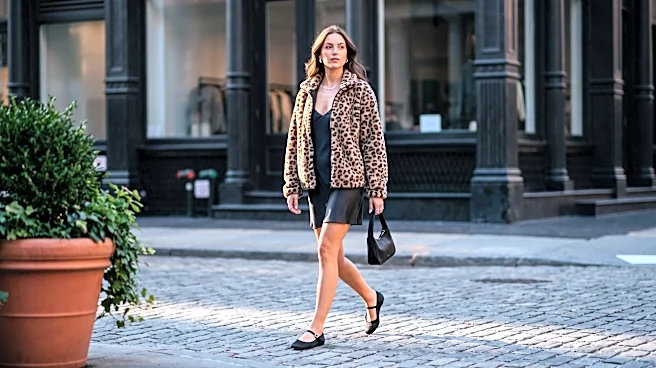
she lacked a formal archive of her work, prompting her to compile materials from old hard drives, film rolls, and personal iPhone photography. The monograph offers an intimate look into Liang's world beyond the runway, featuring curated personal images. Heaven by Marc Jacobs creative director Ava Nirui and stylist Dean DiCriscio contributed to shaping the book's presentation. Liang launched her label in 2014 after graduating from Parsons, initially drawing inspiration from grandmothers in Chinatown. Her brand gained wider recognition in 2019 with viral leopard-print fleece jackets and has since become synonymous with the 'downtown coquette' aesthetic, expanding into footwear with pointe-shoe-inspired mary janes in 2022. The book serves to formalize the brand's history, which previously existed primarily in scattered personal files and memories.
Why It's Important?
The release of "Dressing Up: Sandy Liang" marks a significant milestone for the designer, solidifying her brand's narrative and visual history. For the fashion industry, it highlights the growing trend of designers documenting their work through published monographs, offering a more permanent and curated record than digital archives. This move can enhance a brand's legacy, providing fans and fashion scholars with deeper insights into its creative process and evolution. For consumers, especially those interested in contemporary fashion and the 'downtown coquette' aesthetic, the book offers an exclusive, behind-the-scenes perspective on a designer who has significantly influenced recent trends. It also underscores the importance of archiving in the fast-paced fashion world, demonstrating how personal collections of images can be transformed into a comprehensive brand history. The collaboration with Rizzoli, a prominent art book publisher, further elevates Liang's status within the broader cultural landscape.
What's Next?
The release of "Dressing Up: Sandy Liang" is likely to generate renewed interest in Sandy Liang's past and current collections, potentially boosting sales and brand visibility. The book's intimate portrayal of her creative journey could attract new followers and deepen the engagement of existing fans. Following this archival effort, Liang may continue to explore new avenues for brand expansion, potentially including more collaborations or new product categories, building on the established narrative presented in her monograph. The formalization of her brand's history could also lead to future exhibitions or retrospectives, further cementing her place in contemporary fashion. Additionally, the success of this monograph might inspire other designers, particularly those with a strong personal aesthetic and a decade or more of work, to undertake similar archival projects, contributing to a richer documentation of modern fashion history.
Beyond the Headlines
Beyond its immediate impact, "Dressing Up: Sandy Liang" reflects broader shifts in how fashion brands engage with their history and audience. In an era dominated by fleeting digital content, a physical monograph offers a tangible, enduring artifact that counters the ephemeral nature of online trends. This move also speaks to the increasing value placed on authenticity and personal narrative in branding, as Liang's book draws heavily from her personal archives rather than purely commercial imagery. It highlights the evolution of a brand from grassroots beginnings, often documented informally, to a recognized cultural entity requiring formal historical preservation. The book also subtly critiques the lack of systematic archiving within many young fashion labels, underscoring the challenge designers face in preserving their creative output amidst rapid production cycles. This initiative by Liang could set a precedent for how emerging designers approach their own brand's historical documentation.