


What's Happening?
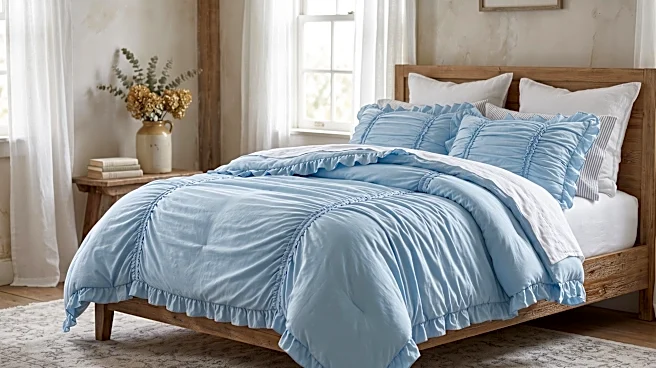
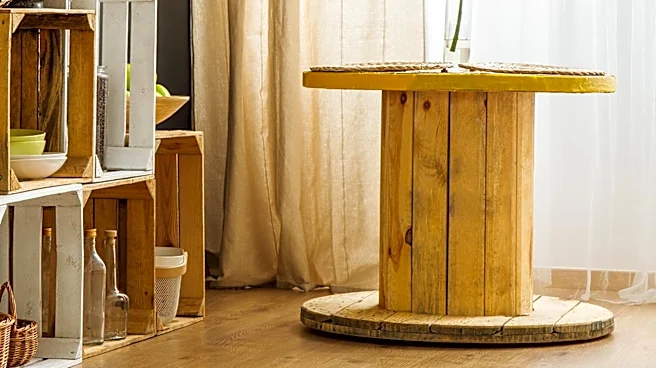
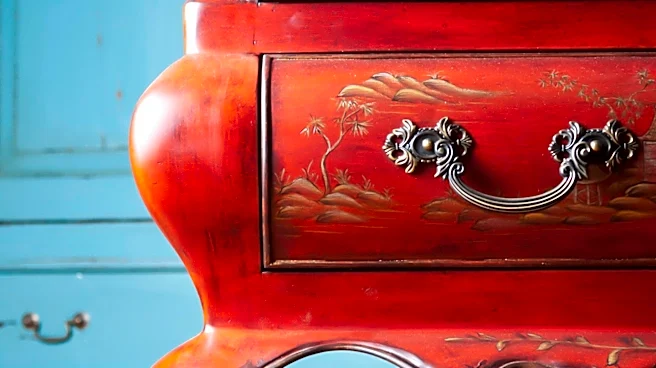
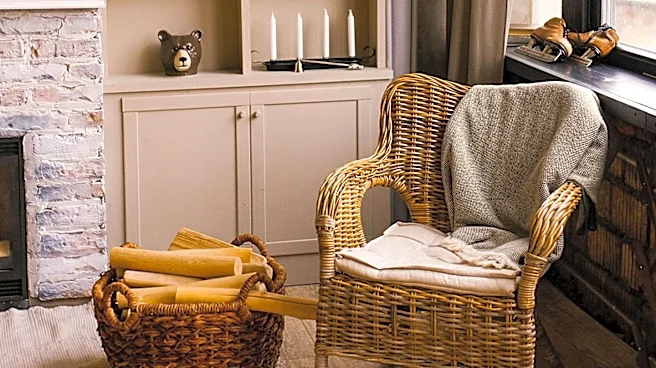
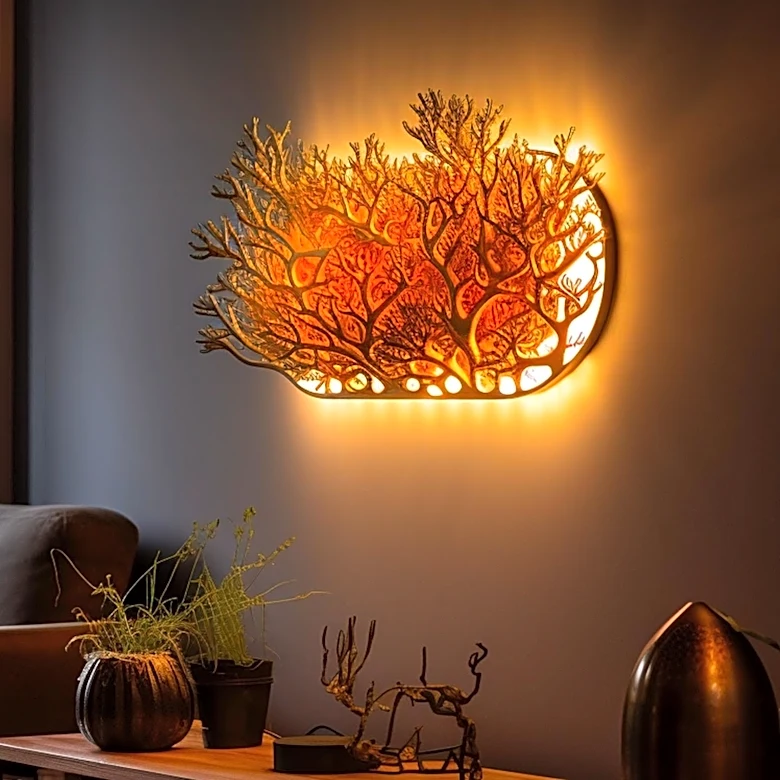
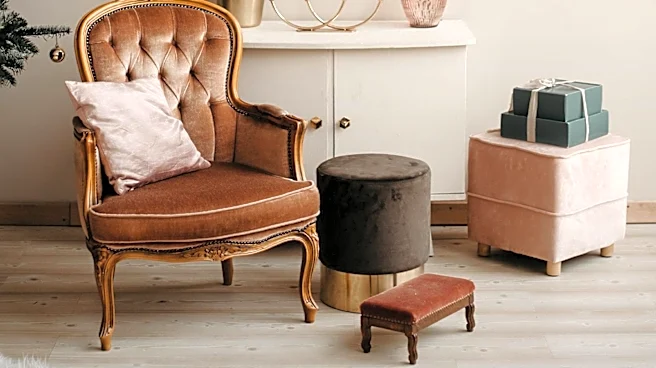
Cottagecore decor is defined by its focus on simplicity, nature, and nostalgia, incorporating floral and botanical patterns on various home items such as rugs, bedding, and wall decor. The style also heavily features handcrafted items, natural materials,
and vintage pieces. A key characteristic is the use of a muted color palette, including watery blue, buttery yellow, and various shades of green, often accented with warm gray. This aesthetic aims to create a calm and collected atmosphere rather than a heavily styled one. Designers often cite countryside living, folkloric inspiration, and sustainable design as foundational elements of the cottagecore look. The approach encourages personal touches, where items reflect individual experiences and memories, making a space feel unique and lived-in rather than merely decorated.
Why It's Important?
The rising popularity of cottagecore decor reflects a broader cultural shift towards valuing comfort, sustainability, and personal expression in home environments. For U.S. consumers, this trend offers an accessible way to refresh living spaces without requiring extensive renovations or new furniture purchases, as the style can be achieved through layering textiles, art, and small decorative items. Businesses in the home decor sector, particularly those specializing in handcrafted goods, natural materials, and vintage finds, stand to benefit from this demand. The emphasis on sustainable design and upcycling also aligns with growing consumer awareness regarding environmental impact, potentially boosting markets for eco-friendly and locally sourced products. This trend encourages a more thoughtful and less consumerist approach to decorating, where sentiment and personal history are prioritized over mass-produced items.
What's Next?
The cottagecore trend is likely to continue influencing home decor product development, with manufacturers and retailers focusing on items that fit the aesthetic, such as botanical prints, natural fiber textiles, and vintage-inspired pieces. Small businesses and artisans specializing in handmade goods may see increased opportunities as consumers seek unique, personal touches for their homes. The emphasis on sustainability within cottagecore could also drive further innovation in eco-friendly materials and production methods in the decor industry. Consumers can expect to find more options for made-to-order items, which align with the slow decorating habit promoted by the style, allowing for gradual accumulation of meaningful pieces rather than rapid, trend-driven purchases. This sustained interest could lead to a more permanent integration of cottagecore elements into mainstream interior design.
Beyond the Headlines
Beyond its aesthetic appeal, cottagecore decor embodies a deeper cultural yearning for authenticity and a connection to nature in an increasingly digital world. The style's emphasis on nostalgia and handcrafted items can be seen as a counter-movement to fast-paced consumerism, promoting a more mindful and deliberate approach to living. Ethically, the focus on sustainable design and upcycling encourages responsible consumption and reduces waste, aligning with broader environmental movements. Culturally, it fosters an appreciation for traditional crafts and the stories behind objects, moving away from generic, mass-produced aesthetics. This trend suggests a societal desire for comfort, security, and a return to simpler values, reflecting a psychological need for grounding and personal sanctuary in a complex modern society.