







What's Happening?
Ami Paris, the French fashion house founded by Alexandre Mattiussi, has introduced its inaugural children's collection, 'Ami Kids,' for the Autumn-Winter 2026–27 season. This new unisex range, designed for children aged 4 to 12, consists of 36 pieces.
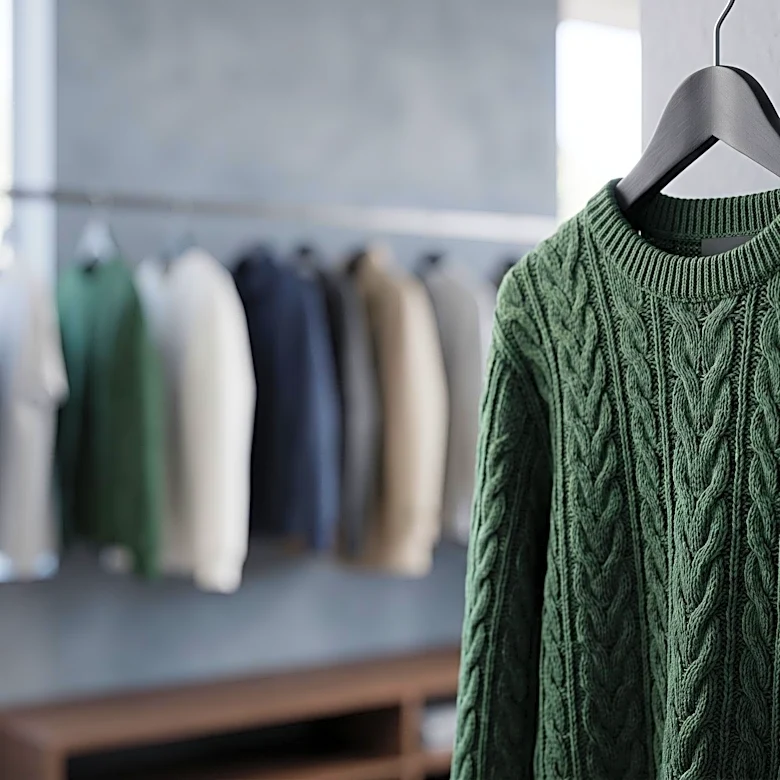
The collection aims to foster imagination, movement, and self-expression, drawing inspiration from the spontaneity and optimism of childhood. The line features a comprehensive wardrobe including knitwear, hoodies, shirts, T-shirts, tracksuit bottoms, cardigans, beanies, and caps. These items are crafted from cotton and wool and are priced between approximately €60 and €200. The collection incorporates Ami Paris's signature color palette, which includes grey, beige, green, navy, light blue, and black, along with timeless striped designs. Ami Kids is currently available globally through the brand's website and its 116 own-brand boutiques. The brand anticipates positive growth in retail and online sales this year, with key markets including France, China, South Korea, and Japan.
Why It's Important?
The launch of Ami Kids signifies Ami Paris's strategic expansion into the childrenswear market, a move that could broaden its customer base and revenue streams. By targeting a younger demographic, the brand aims to cultivate brand loyalty from an early age, potentially securing future adult consumers. This expansion also reflects a broader trend in the fashion industry where luxury and contemporary brands are increasingly diversifying their offerings to include children's lines, recognizing the significant purchasing power of parents and the growing demand for stylish, high-quality children's apparel. For the U.S. market, this means increased competition within the children's fashion segment, offering consumers more choices in premium children's clothing. The collection's emphasis on comfort, freedom of movement, and self-expression aligns with contemporary parenting values that prioritize practical yet fashionable attire for children. This could influence other brands to adopt similar design philosophies, focusing on both aesthetics and functionality in children's wear.
What's Next?
Following the launch of Ami Kids, Ami Paris will likely focus on marketing and distribution efforts to establish the new collection's presence in its key markets, including the U.S. The brand's performance in these markets will be closely monitored to assess the success of this new venture. Future collections may see an expansion in the range of products, potentially introducing accessories, footwear, or specialized items for different age groups within the children's segment. The brand may also explore collaborations with children's entertainment franchises or influencers to further boost visibility and appeal. Given the brand's expectation of positive growth in retail and online, there could be further investment in expanding its physical retail footprint or enhancing its e-commerce capabilities to support the new line. The success of Ami Kids could also pave the way for other fashion houses to consider similar expansions, intensifying competition and innovation in the childrenswear sector.
Beyond the Headlines
Ami Paris's entry into childrenswear extends beyond mere product diversification; it represents a deeper engagement with the brand's core philosophy of 'childhood, friendship, and the freedom to be oneself.' By translating its signature aesthetic into children's clothing, Ami Paris is attempting to instill its brand values from an early age, fostering a sense of belonging and authenticity among its youngest consumers. This move also highlights the evolving perception of children's fashion, moving away from purely functional attire towards clothing that reflects personal style and identity. The collection's unisex approach challenges traditional gender norms in children's clothing, promoting inclusivity and versatility. Furthermore, the use of cotton and wool emphasizes a commitment to quality and comfort, which are increasingly important considerations for parents. This strategic expansion could influence cultural trends in children's fashion, encouraging a greater focus on thoughtful design, ethical production, and the emotional connection between clothing and personal development.