

What's Happening?
The film 'Wild Horse Nine,' directed by Martin McDonagh, has been released to critical acclaim, with particular praise for its cinematography and the performances of its lead actors, John Malkovich and Sam Rockwell. The movie, set just before the 1973
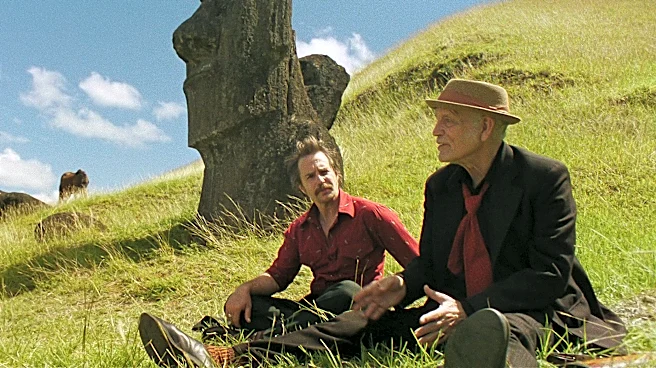
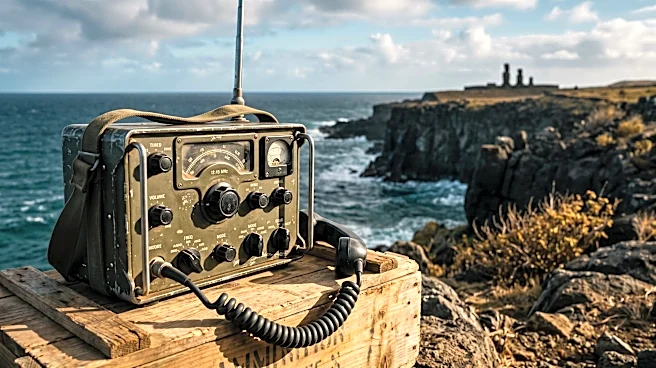
Chilean coup, follows two CIA agents, Chris and Lee, as they confront their pasts on Easter Island. Malkovich's portrayal of Chris, a dying agent whose memory is fading, is highlighted for its comedic timing and emotional depth, despite initial marketing suggesting a purely comedic role. Rockwell, who previously won an Oscar for his collaboration with McDonagh, delivers another strong performance. The film's script, also penned by McDonagh, is noted for its intricate setup and ability to balance humor with heartbreak. Cinematographer Ben Davis, a frequent collaborator with McDonagh, is commended for making the digitally shot film appear as if it were captured on film, emphasizing intentional lighting and shot composition. The unique setting of Easter Island, where the film was actually shot, further enhances the cinematic experience.
Why It's Important?
The critical reception of 'Wild Horse Nine' is significant for the film industry, particularly in the context of awards season. Strong reviews for direction, writing, and acting often translate into nominations and wins, potentially elevating the careers of those involved and increasing the film's commercial success. The film's approach to digital cinematography, making it indistinguishable from film, challenges conventional debates within the industry about the superiority of film over digital. This could influence future filmmaking techniques and aesthetic choices, encouraging more intentional and artistic use of digital cameras. Furthermore, the film's setting on Easter Island, a location rarely used in feature films, showcases the potential for unique and visually compelling backdrops, potentially inspiring other filmmakers to explore less common locations. The film's ability to blend humor with profound themes of mortality and a dark past resonates with audiences and critics, reinforcing the value of well-crafted storytelling in contemporary cinema.
What's Next?
With its release on November 6, 'Wild Horse Nine' is expected to gain momentum during the upcoming awards season. The film's strong critical reception, particularly for its acting and direction, positions it as a potential contender for major accolades, including the Oscars. John Malkovich and Sam Rockwell's performances are likely to be considered for acting nominations, while Martin McDonagh could receive recognition for both his writing and directing. The film's unique visual style and setting may also garner attention in technical categories such as cinematography. The positive buzz surrounding the film could lead to increased box office performance and a wider audience reach. Industry discussions about the film's innovative use of digital cinematography are also anticipated, potentially influencing future production practices and artistic trends in Hollywood.
Beyond the Headlines
Beyond its immediate impact on awards season, 'Wild Horse Nine' touches upon deeper themes that resonate with broader cultural and historical contexts. The film's exploration of CIA agents confronting their dark pasts, with allusions to historical events like the Bay of Pigs invasion and even the JFK assassination, invites audiences to reflect on the complexities of national history and the moral ambiguities of intelligence operations. The character of Chris, grappling with a fading memory due to illness, adds a poignant layer to the narrative, highlighting the personal cost of a life spent in secrecy and the universal struggle with mortality. The film's setting on Easter Island, with its ancient moai statues, provides a symbolic backdrop for themes of legacy, memory, and the weight of history. This choice of location, coupled with the film's meticulous period detail, underscores a commitment to authenticity that enriches the storytelling and offers a unique cultural experience, prompting viewers to consider the interplay between personal narratives and grand historical events.