





What's Happening?
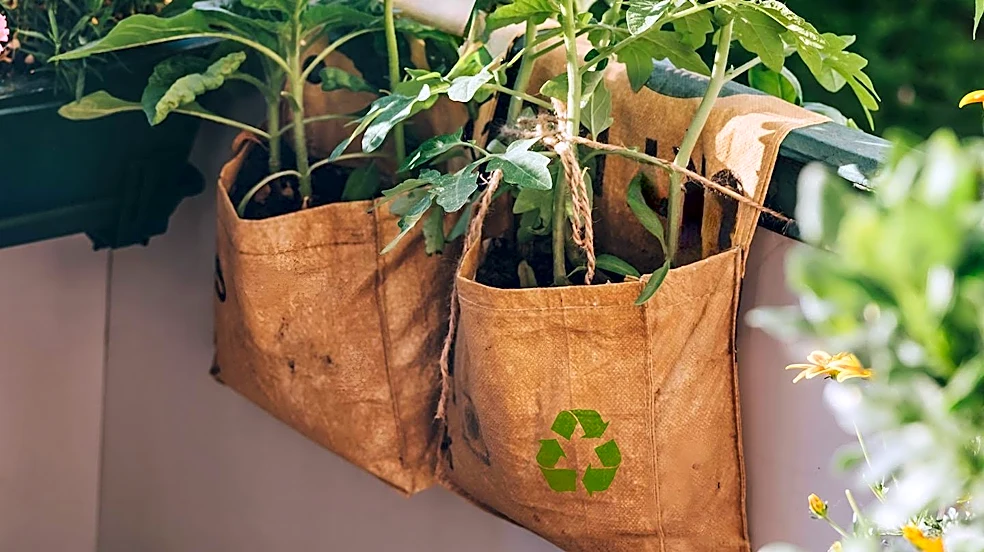
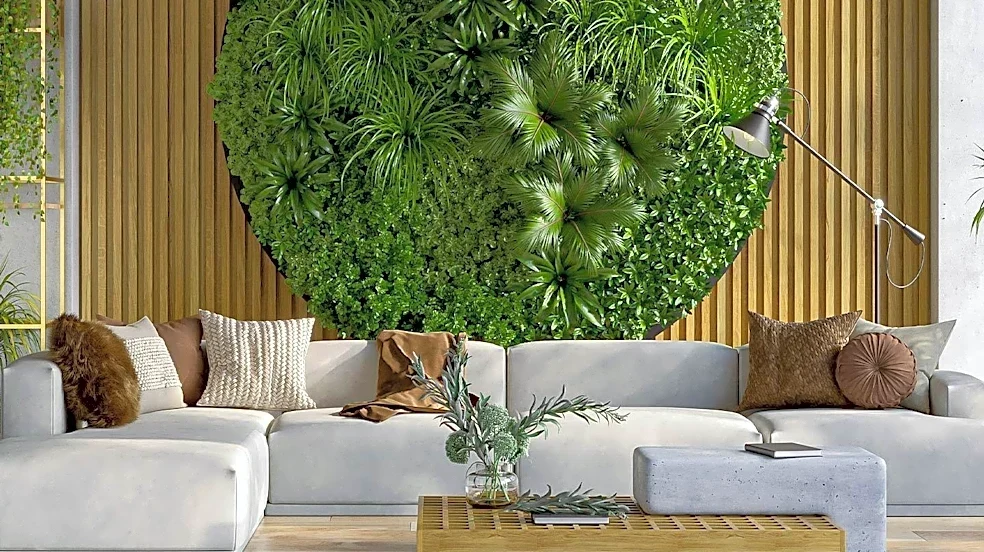
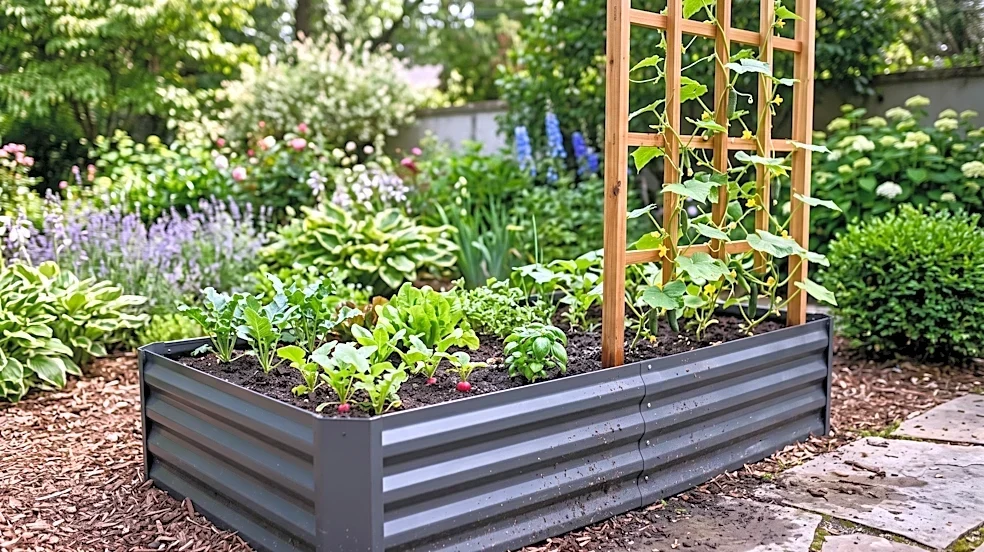
Vertical gardening provides an effective method for growing plants upward rather than across the ground, making it ideal for small yards, apartments, balconies, and patios. This technique utilizes trellises, wall pockets, hanging containers, or stacked
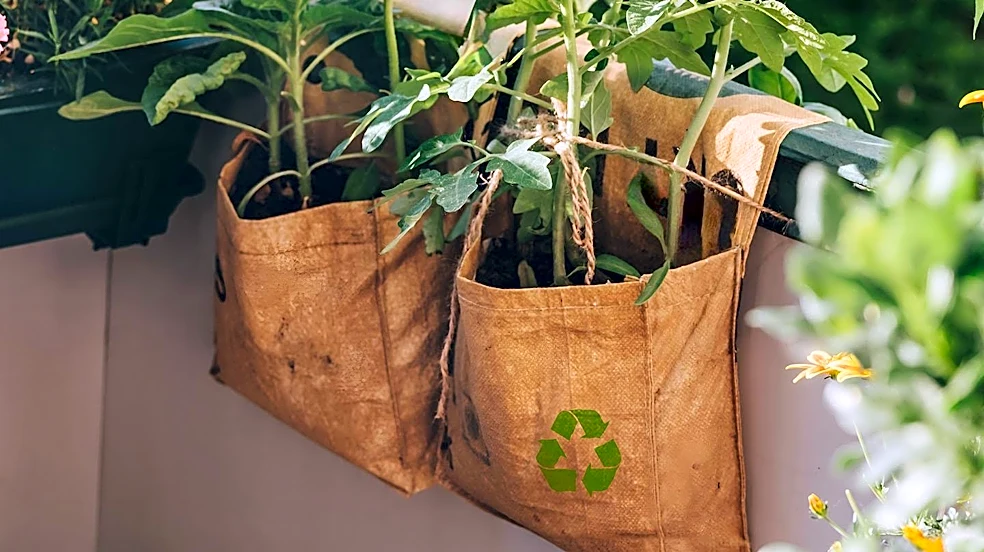
planters to maximize planting space. According to Virginia Cooperative Extension, vertical gardening not only saves space but also offers benefits such as easier harvesting, cleaner fruit, and improved airflow, which can reduce plant diseases. Common vertical garden setups include railing planters for herbs and lettuce, pocket planters for small greens, tiered stands, trellises for climbing vegetables like beans and cucumbers, and hanging baskets for strawberries and trailing flowers. Repurposed containers and rain gutter planters are also viable, budget-friendly options.
Why It's Important?
The increasing urbanization and shrinking living spaces make vertical gardening a crucial solution for individuals seeking to engage in home cultivation. This method democratizes gardening, allowing apartment dwellers and those with limited land to grow their own food and ornamental plants. By optimizing space, vertical gardens contribute to urban greening, enhance aesthetic appeal, and can improve air quality in densely populated areas. The ability to grow fresh produce locally can also lead to healthier eating habits and reduce reliance on commercial food systems, fostering greater food security and sustainability within communities. Furthermore, the accessibility of vertical gardening encourages more people to connect with nature and experience the therapeutic benefits of plant care.
What's Next?
Individuals interested in vertical gardening should first assess their space for light exposure and structural weight limits, as a container full of wet potting mix can be heavy. Choosing appropriate systems and plants that match the available light is crucial; for instance, shady walls suit greens and herbs, while fruiting vegetables require more sun. Proper drainage is essential for all planters, and renters or HOA members should check community rules before installation. Future steps involve selecting quality potting mix, ensuring adequate support for climbing plants, and considering watering solutions like drip lines or self-watering planters, as small containers tend to dry out quickly. Continuous monitoring and adaptation to plant needs will be key for successful vertical gardening.
Beyond the Headlines
Vertical gardening represents more than just a space-saving technique; it embodies a shift towards innovative and resilient urban living. It challenges traditional notions of gardening, demonstrating that productive green spaces can be integrated into almost any environment. This approach can foster a deeper appreciation for resourcefulness and sustainability, as many vertical garden ideas involve repurposing materials. Ethically, it promotes local food production, reducing the carbon footprint associated with food transportation. Culturally, it can transform sterile urban landscapes into vibrant, living environments, enhancing community well-being and fostering a sense of connection to nature in an increasingly artificial world. The adaptability of vertical gardening also makes it a powerful tool for educational initiatives, teaching about plant science and sustainable practices in accessible ways.