





What's Happening?
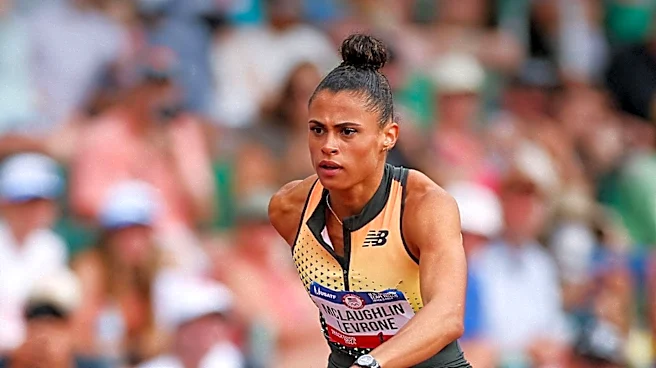
Sydney McLaughlin-Levrone, an Olympic Gold Medalist in track and field, is advocating for authentic partnerships between brands and women athletes. She highlights that successful collaborations occur when brands genuinely understand and incorporate an athlete's
lifestyle and values, rather than simply providing products for endorsement. McLaughlin-Levrone, who recently became a mother, also reflects on the significant growth in women's sports, noting the increased visibility and diverse role models available to young girls today. She believes this expansion is reshaping perceptions of women athletes, showcasing them as multifaceted individuals beyond their competitive achievements, including businesswomen, designers, and mothers. Her recent collaboration with New Balance on a personal collection, where she led the creative direction, exemplifies her approach to authentic brand engagement, integrating her daily life, training, and competition needs into the product line.
Why It's Important?
This emphasis on authenticity in athlete-brand partnerships is crucial for the evolving landscape of U.S. sports marketing and the broader perception of women in sports. For brands, prioritizing genuine input from athletes can lead to more impactful and resonant campaigns, fostering deeper connections with consumers who value authenticity. This approach moves beyond traditional endorsements, creating products and narratives that truly reflect the athlete's identity, which fans can discern and appreciate. For women athletes, this shift means greater empowerment and financial opportunities, as their value extends beyond their performance on the track or court. It encourages investment and attention from industries like fashion and beauty, demonstrating that there is a significant audience for women's sports that transcends athletic competition. This broader cultural integration helps solidify women athletes as influential figures in society, driving economic growth and visibility for women's sports.
What's Next?
The continued push for authentic athlete-brand partnerships is likely to influence future marketing strategies within the U.S. sports industry. Brands may increasingly seek deeper collaborations with athletes, particularly women, allowing them more creative control and input into product development and campaign messaging. This trend could lead to more personalized collections and brand extensions that genuinely reflect athletes' lifestyles and values. Furthermore, the growing visibility of women in sports, championed by athletes like McLaughlin-Levrone, is expected to attract more investment and media coverage. This increased attention could translate into more opportunities for young girls in sports, fostering a generation that views athletic pursuits as a viable and respected career path, with diverse avenues for success both on and off the field. The conversation around equitable investment and visibility for women athletes is anticipated to become the norm, rather than a novel discussion.
Beyond the Headlines
The movement towards authentic athlete-brand partnerships and the rising prominence of women's sports carry significant ethical and cultural implications. Ethically, it challenges the traditional model of athlete exploitation, where athletes are often seen merely as vehicles for product promotion. By giving athletes more agency and creative control, it promotes a more respectful and equitable relationship. Culturally, this shift is redefining societal perceptions of women, moving beyond narrow stereotypes to embrace their multifaceted identities as competitors, entrepreneurs, and mothers. It highlights the power of sports to drive broader social change, fostering a more inclusive and representative media landscape. The long-term impact could be a fundamental re-evaluation of how success is defined for women, encouraging a holistic view that values personal growth, family, and entrepreneurial endeavors alongside athletic achievements, ultimately inspiring future generations to pursue their passions without limitations.