





What's Happening?
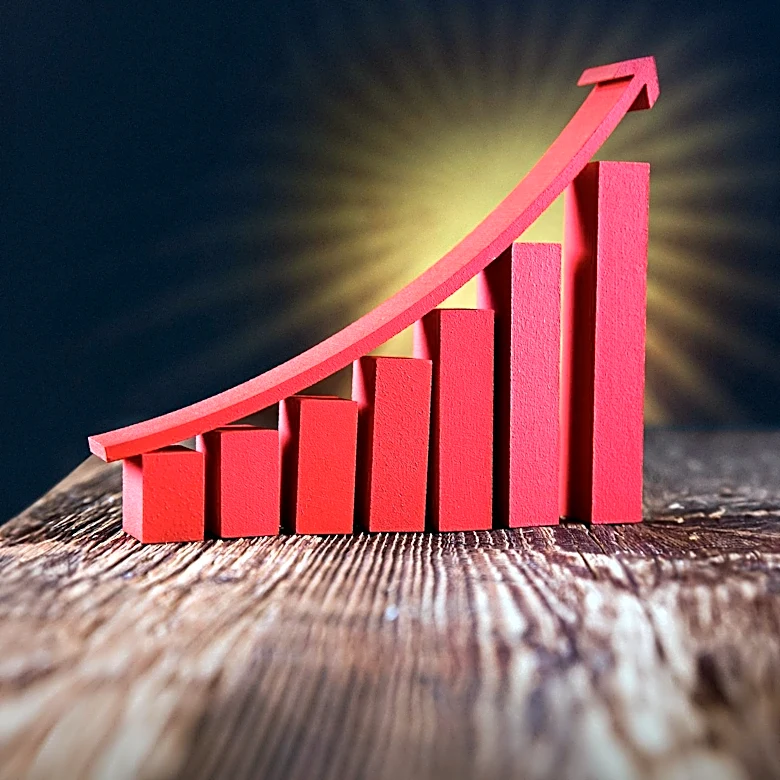
In the first half of 2026, global mergers and acquisitions (M&A) reached a record $2.8 trillion, with industrial manufacturing playing a pivotal role. According to PwC's midyear outlook, the sector saw a 28% increase in M&A activity, totaling $173 billion
over the past year. This growth is driven by mega-deals, with transactions over $5 billion now representing 56% of the sector's deal value. Strategic acquirers, rather than private equity, are leading these transactions, focusing on capability acquisition. The convergence of AI infrastructure, grid modernization, and defense spending is driving demand for power equipment and automation controls, leading to high valuations.
Why It's Important?
The surge in industrial manufacturing M&A highlights a strategic shift in the sector, emphasizing the importance of acquiring capabilities to adapt to technological advancements. This trend reflects a broader economic strategy where companies are making fewer but larger investments to secure their positions in a rapidly evolving market. The focus on AI and grid modernization indicates a prioritization of future-proofing operations, which could lead to significant advancements in industrial efficiency and innovation. The U.S. economy, with its substantial industrial base, stands to benefit from these investments, potentially leading to job creation and technological leadership.
What's Next?
As the industrial manufacturing sector continues to attract significant investment, companies are likely to focus on integrating AI and automation technologies to enhance operational efficiency. This could lead to further consolidation in the industry as firms seek to acquire complementary technologies and capabilities. The emphasis on strategic acquisitions suggests that companies will continue to prioritize long-term growth over short-term financial gains. Additionally, the reshoring of manufacturing operations to the U.S. could accelerate, driven by supply chain reconfigurations and the need for resilience against global disruptions.