





What's Happening?
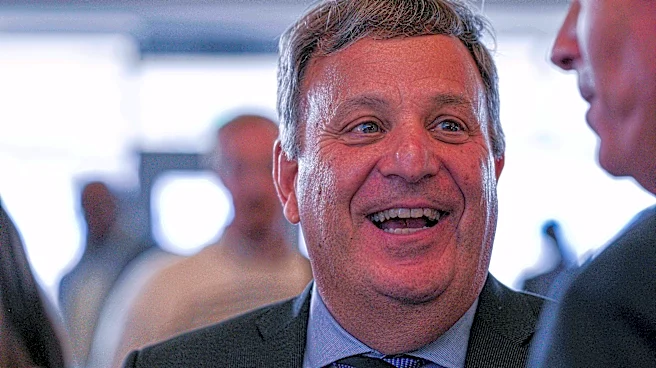
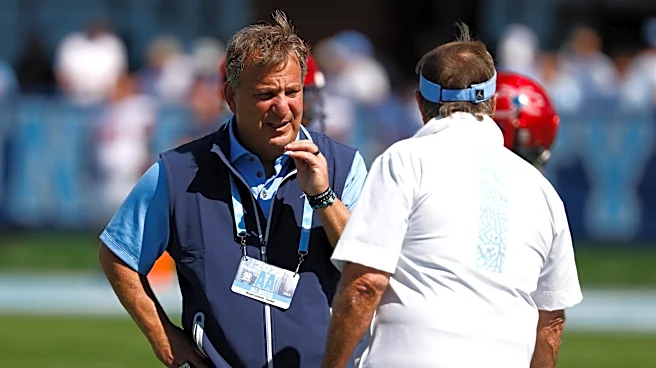
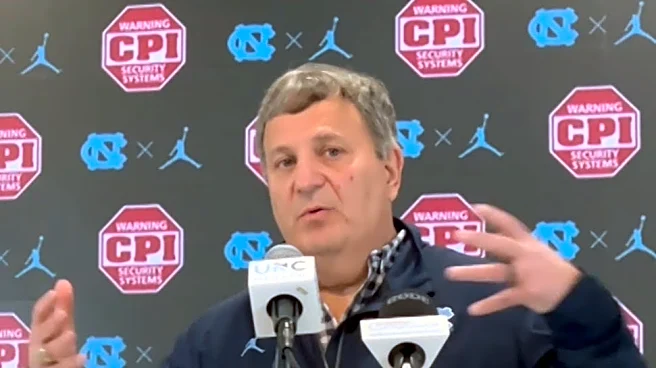
North Carolina football general manager Michael Lombardi resigned from his position on Thursday, more than a month after being placed on paid administrative leave by the university. His resignation coincides with reports from WRAL News, citing sources
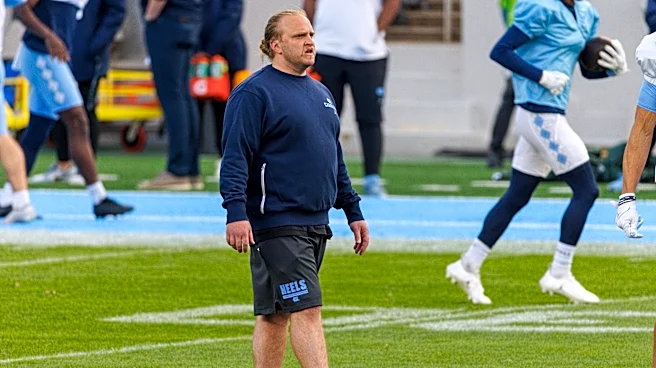
familiar with the investigation, indicating that lawyers hired by North Carolina are probing allegations far beyond Lombardi's initial human resources complaint. The investigation reportedly includes claims that Steve Belichick, son of head coach Bill Belichick, allegedly used or provided drugs to at least one player. Additionally, lawyers are investigating whether a member of UNC's recruiting staff had a sexual relationship with a player, and possible sexual relationships between assistant coaches and recruiting staff. Lombardi, who joined UNC in December 2024 as the highest-paid college football GM, issued a statement thanking Chancellor Lee Roberts and Bill Belichick, stating his resignation was to allow the team to focus on the 2026 season. The university confirmed its ongoing investigation will continue.
Why It's Important?
Michael Lombardi's resignation and the expanding scope of the investigation at North Carolina have significant implications for the university's football program and its reputation. The allegations, which now include potential drug use by a coach and inappropriate relationships within the staff, point to serious cultural and ethical issues that could undermine the integrity of the athletic department. For the university, this situation demands a thorough and transparent investigation to maintain public trust and ensure a safe environment for student-athletes. The involvement of high-profile figures like Steve Belichick, son of head coach Bill Belichick, adds another layer of scrutiny and potential damage to the program's image. This scandal could impact recruiting efforts, donor relations, and the overall morale of the team, potentially affecting their performance on the field. It also highlights the increasing complexities and pressures within collegiate athletics, where off-field conduct can have profound consequences.
What's Next?
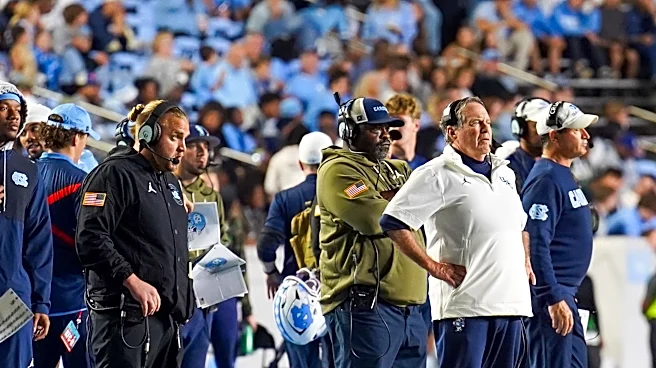
The University of North Carolina has stated that its ongoing investigation into the allegations will continue, and it will consider all appropriate corrective actions based on the information gathered. This suggests that further findings and potential disciplinary actions could be forthcoming. The football program will need to address the leadership void left by Lombardi's resignation, with head coach Bill Belichick and other coaches having already taken on portions of his role. The university will also need to manage the public relations fallout from these serious allegations, which could involve issuing further statements or implementing new policies to prevent similar incidents. The focus will likely shift to how the team and coaching staff navigate the remainder of the 2026 season amidst these distractions, and how the university ensures accountability and reforms within its athletic department.
Beyond the Headlines
This incident at North Carolina reflects a broader trend of increased scrutiny on the conduct of staff and coaches in collegiate sports, particularly in high-stakes programs. The allegations touch upon critical issues such as player welfare, ethical boundaries in recruiting, and the power dynamics within athletic departments. The involvement of a human resources complaint evolving into a wide-ranging investigation underscores the importance of internal reporting mechanisms and the university's responsibility to act decisively on such claims. This situation could prompt other universities to review their own internal policies and oversight mechanisms to prevent similar scandals. Furthermore, it highlights the intense pressure and sometimes unchecked power that can exist within successful athletic programs, making it crucial for institutions to prioritize ethical conduct and accountability alongside athletic achievement. The long-term impact on the careers of individuals involved and the reputation of the university could be substantial.