

What's Happening?
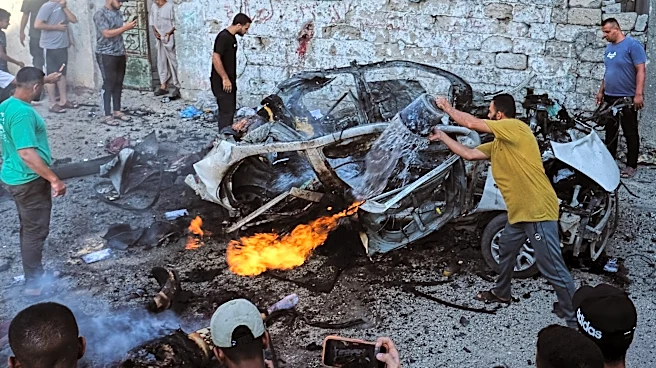
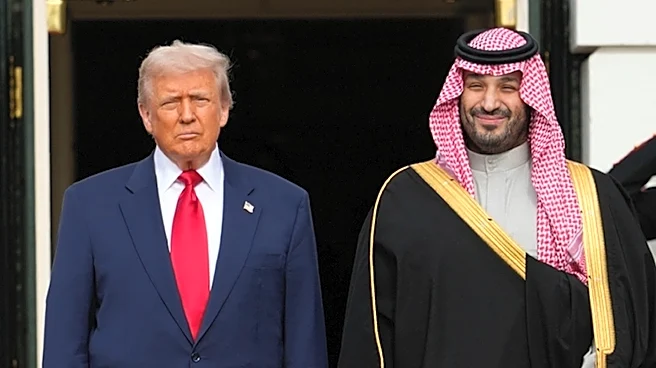
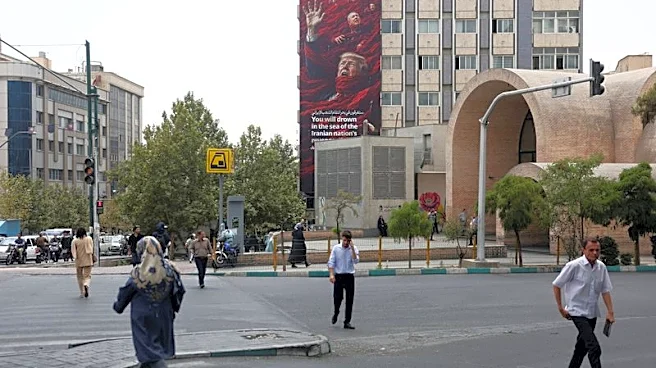
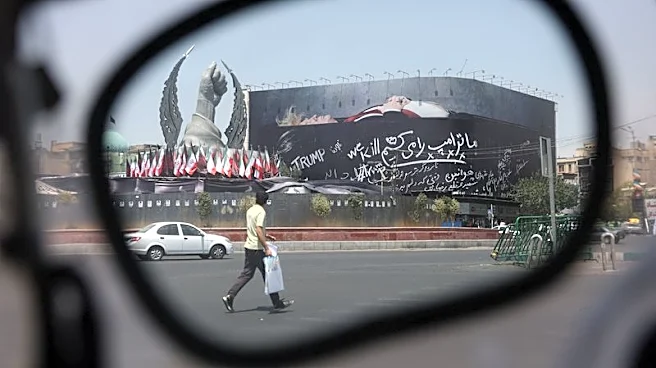
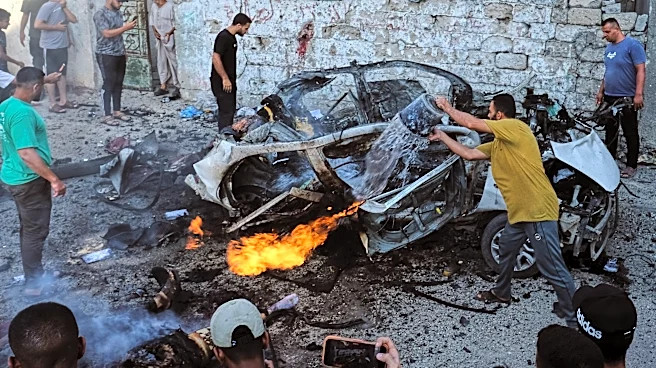
Formula 1 president Stefano Domenicali has announced that contingency plans are in place for the 2027 F1 calendar due to the ongoing conflict in the Middle East. The conflict, involving the US, Israel, and Iran, has already led to the cancellation of
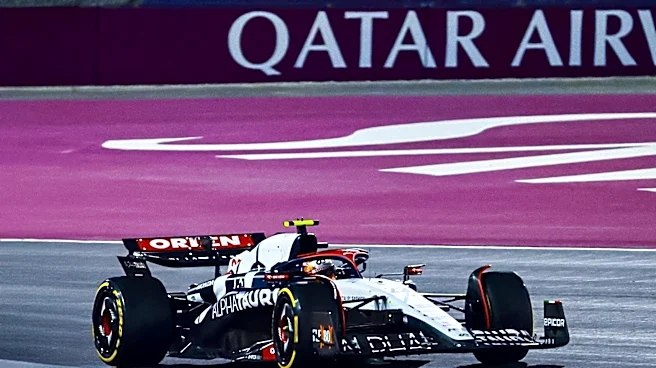
this year's Bahrain and Saudi Arabian Grands Prix. As a result, the current season is set to conclude in Europe if the Qatar and Abu Dhabi Grands Prix are also canceled. Domenicali emphasized that while a 'normal plan' for the 2027 calendar will be announced, alternative options are ready should the geopolitical situation remain unresolved. The aim is to maintain a schedule of 24 races, with Malaysia added to the 2026 schedule to compensate for the postponed Bahrain Grand Prix.
Why It's Important?
The contingency planning for the 2027 Formula 1 calendar highlights the significant impact of geopolitical tensions on international sporting events. The ongoing conflict in the Middle East poses challenges not only for the logistics of the F1 calendar but also for the safety and security of the teams and fans. The ability of F1 to adapt its schedule reflects the sport's resilience and commitment to maintaining its global presence. This situation underscores the broader implications of geopolitical conflicts on global industries, including sports, which rely on international cooperation and stability. The decisions made by F1 could influence other international sports organizations facing similar challenges.
What's Next?
Formula 1 is actively exploring new venues to ensure the continuity of its racing calendar. Discussions are underway with countries such as Turkey, Portugal, Rwanda, South Africa, Thailand, and Argentina to potentially host future races. Germany's Hockenheim circuit is also being considered for a return to the schedule, contingent on new investment models. These negotiations indicate F1's proactive approach to expanding its global footprint and adapting to changing geopolitical landscapes. The outcome of these discussions will shape the future of the sport and its ability to navigate international challenges.