




What's Happening?
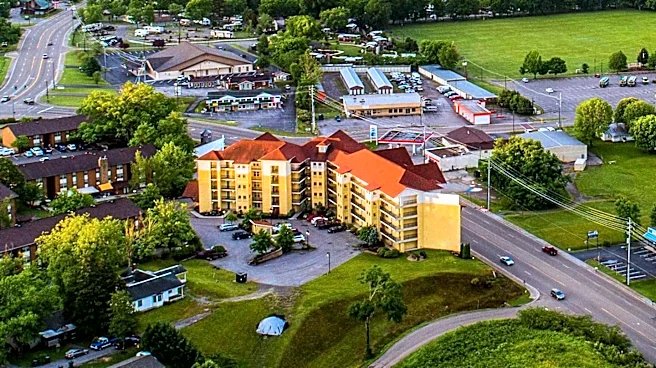
Burlington, Vermont, is undergoing a notable evolution in its hospitality and meeting infrastructure, with several new and expanded venues. The recently expanded DoubleTree by Hilton Burlington Vermont now boasts 324 guest rooms and over 30,000 square
feet of meeting space, including a 12,480-square-foot exhibit hall capable of accommodating up to 1,300 attendees. Additionally, the city saw the debut of The Harborvale, a 161-room Autograph Collection hotel, in July, which offers 1,500 square feet of event space. In neighboring Winooski, the Sugar House Hotel is set to open as Marriott’s first all-electric, net-zero energy, and LEED Platinum property globally, featuring a divisible 2,025-square-foot ballroom. Discussions are also underway to repurpose Burlington’s former Macy’s department store into a downtown convention center, leveraging the city's walkable layout with hotels, restaurants, the waterfront, and the Church Street Marketplace all in close proximity.
Why It's Important?
This significant investment and expansion in Burlington's hospitality and meeting venues are crucial for the city's economic development and its positioning as a destination for conferences and tourism. The increased capacity and modern facilities, including the large exhibit hall at the DoubleTree and the new event spaces at The Harborvale, will enable Burlington to attract larger events and more visitors, boosting local businesses, creating jobs, and generating tax revenue. The Sugar House Hotel's commitment to being Marriott's first all-electric, net-zero energy property sets a new standard for sustainable development in the hospitality sector, potentially attracting environmentally conscious travelers and events. The proposed conversion of the former Macy's into a convention center further indicates a strategic effort to enhance Burlington's appeal as a convention city, capitalizing on its unique charm and accessibility. This growth signifies a broader trend of smaller cities investing in infrastructure to compete in the meetings and events market.
What's Next?
The ongoing discussions regarding the repurposing of the former Macy's department store into a downtown convention center will be a key development to watch. If approved and executed, this project could significantly alter Burlington's capacity for large-scale events. The Sugar House Hotel's debut will also be closely monitored, particularly its performance as a pioneering all-electric, net-zero energy property, which could influence future sustainable development in the hospitality industry. Burlington will likely continue to market its enhanced offerings to event planners and tourists, leveraging its expanded capacity and unique attractions like the Church Street Marketplace and Lake Champlain waterfront. The success of these new ventures will determine further investments and the city's long-term growth trajectory in the tourism and convention sectors.
Beyond the Headlines
The transformation of Burlington's hospitality landscape reflects a broader trend in urban development where cities are reimagining their core identities to attract new economic opportunities. The emphasis on sustainable development, as exemplified by the Sugar House Hotel, points to an increasing demand for eco-friendly travel and event options, pushing the industry towards more responsible practices. The repurposing of a former department store into a convention center also highlights the challenges and opportunities facing traditional retail spaces in the digital age, demonstrating creative solutions for urban revitalization. This development could foster a more vibrant and diverse local economy, but it also raises questions about potential impacts on local character, housing affordability, and infrastructure strain. Balancing economic growth with community preservation and environmental stewardship will be a critical long-term consideration for Burlington.