





What's Happening?
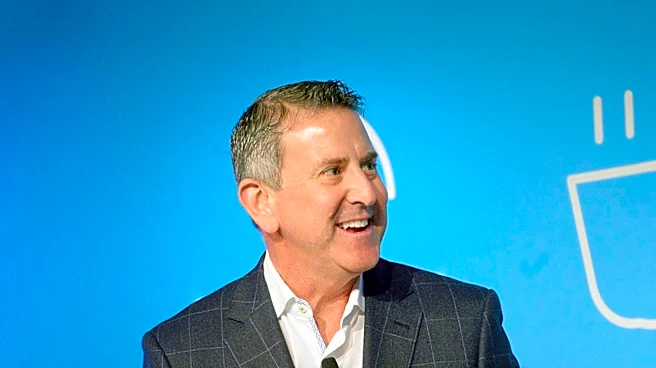
James Quincey transitioned from CEO to Executive Chairman of The Coca-Cola Company on March 31, 2026, with Henrique Braun succeeding him as CEO. Quincey, who joined Coca-Cola in 1996, led the company's transformation into a 'total beverage company,' expanding
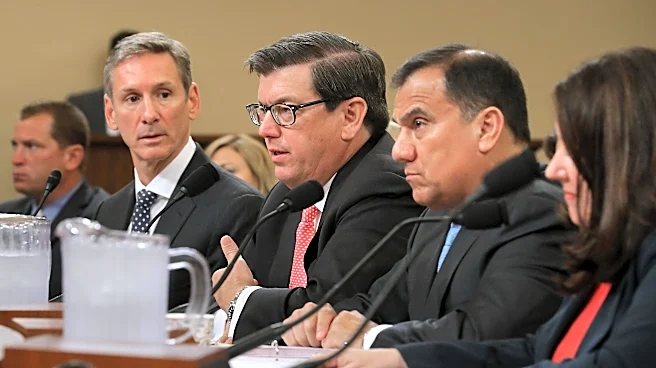
its portfolio beyond traditional soft drinks into coffee, sports drinks, and alcoholic beverages. Under his leadership, Coca-Cola's market value surpassed $300 billion, adding over 10 billion-dollar brands. Meanwhile, Pedro Pizarro continues as President and CEO of Edison International, the parent company of Southern California Edison, a role he has held since 2016. Pizarro is navigating the company through the aftermath of the January 2025 Eaton Fire, which burned approximately 14,000 acres and resulted in 18 civilian deaths. Investigations into the fire's cause are ongoing, with Southern California Edison's transmission facilities identified in the preliminary area of origin. The Los Angeles County District Attorney's office is also conducting a criminal investigation into the utility's actions. In response, Edison International's board reduced cash bonuses for Pizarro and two other senior executives by about 40%, a decision Pizarro agreed with.
Why It's Important?
The leadership transition at Coca-Cola signifies a strategic move to ensure continuity and sustained growth in the competitive global beverage market. Quincey's shift to Executive Chairman allows him to remain involved in strategic oversight while a new CEO takes the helm for daily operations, potentially providing stability during evolving consumer preferences and market demands. For Edison International, Pizarro's leadership is critical as the company faces significant legal, financial, and reputational challenges stemming from the Eaton Fire. The ongoing investigations and potential liabilities could have substantial impacts on the utility's financial health and its ability to operate effectively in California's highly regulated energy sector. The board's decision to cut executive bonuses underscores a commitment to accountability in the face of public scrutiny and potential negligence claims, which could influence investor confidence and regulatory relationships. Both situations highlight the complexities of corporate governance and leadership in major U.S. industries, with implications for stakeholders ranging from shareholders to consumers and affected communities.
What's Next?
For Coca-Cola, the focus will be on Henrique Braun's leadership as he steers the company through challenges such as tepid demand in the U.S. and Europe and increasing customer scrutiny of ingredients. Quincey, in his executive chairman role, will likely continue to influence long-term strategy and major corporate initiatives. For Edison International, the immediate future involves navigating the ongoing Eaton Fire investigations, potential lawsuits, and compensation claims. The company has launched a voluntary compensation program, and the outcomes of the criminal and civil investigations will significantly shape its operational and financial landscape. Additionally, Edison International is planning a major grid buildout from 2026 to 2030 to meet growing demands from electrification and artificial intelligence, which will require careful management amidst regulatory oversight and public concerns about customer bills. The company's ability to manage these multifaceted challenges will be closely watched by regulators, investors, and the public.
Beyond the Headlines
The contrasting situations of Coca-Cola and Edison International illustrate broader trends in corporate responsibility and leadership. Coca-Cola's planned succession reflects a mature approach to leadership transition, aiming to maintain market leadership through strategic evolution. This contrasts with the crisis management scenario at Edison International, where leadership is tested by external events with severe public safety and environmental consequences. The Eaton Fire incident highlights the increasing scrutiny on utility companies regarding infrastructure maintenance, wildfire prevention, and accountability for environmental disasters, especially in regions prone to such events. This could lead to stricter regulatory frameworks and increased pressure on utilities to invest in resilience and safety measures. Furthermore, the executive compensation adjustments at Edison International could set precedents for how corporate boards address accountability in the wake of major incidents, potentially influencing governance practices across other industries facing similar risks.